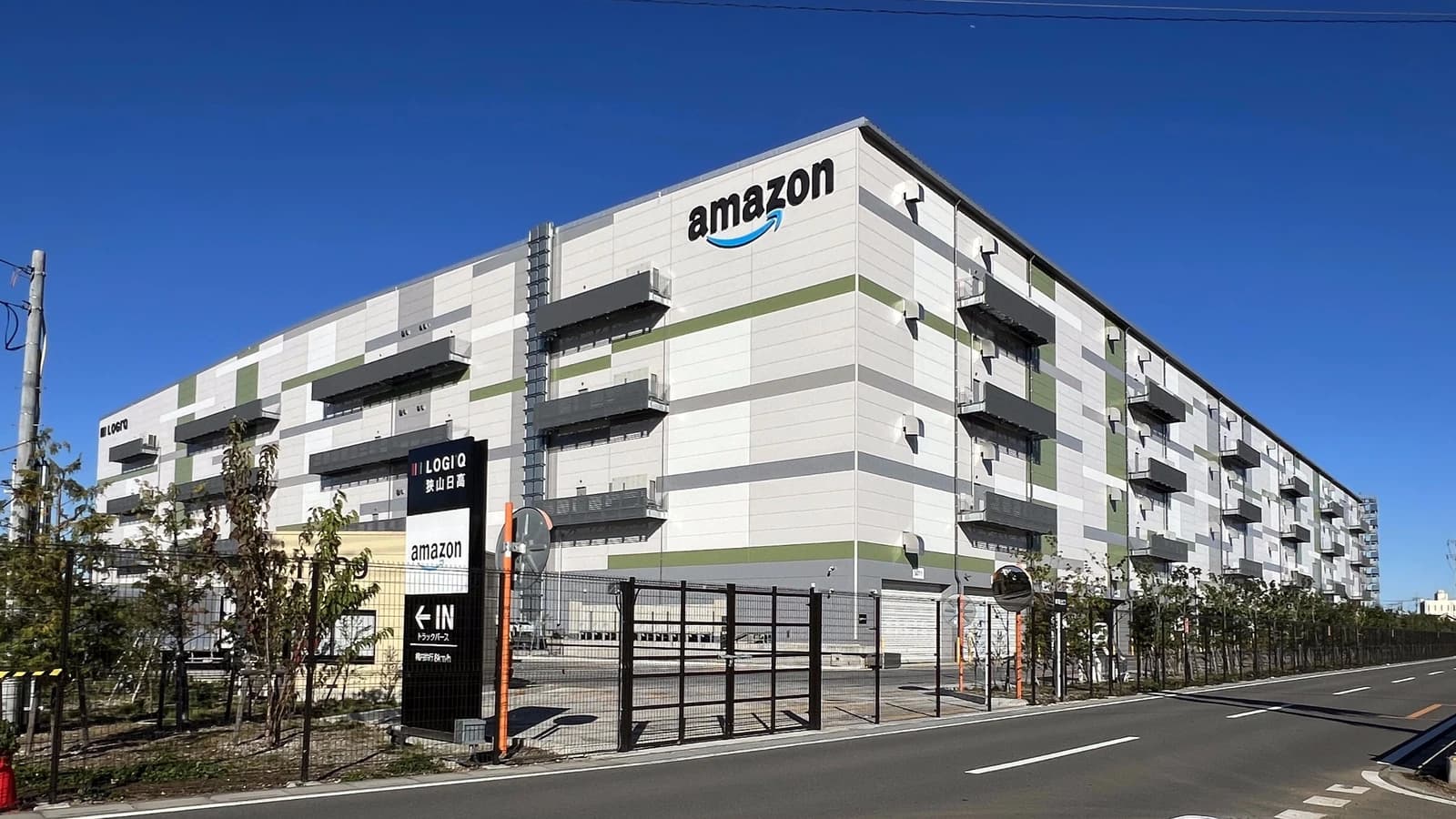
Amazon is bringing Prime Day forward to June 23-26 in 2026 and stretching the event to four days, a longer discount window that could pull more spending into midyear and intensify price pressure across online retail.
Amazon Prime Day 2026 set for June 23-26

The move matters because Prime Day has become one of the biggest traffic and sales events in U.S. e-commerce, setting the tone for consumer demand, seller volumes and competitive pricing well beyond Amazon’s own site. A longer event gives Prime members more time to buy, but it also gives Amazon more chances to drive marketplace orders, advertising sales and device promotions.
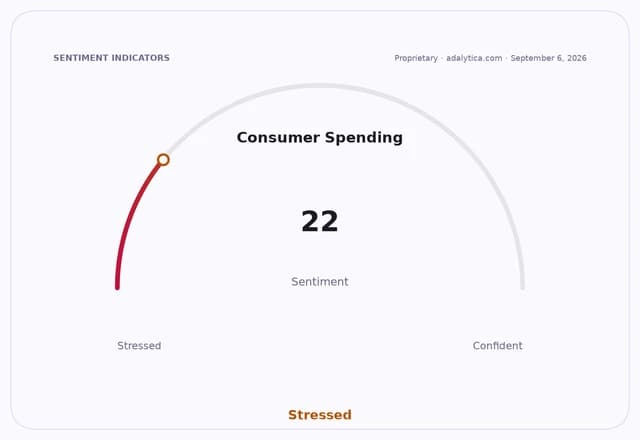
Sentiment IndicatorsⓘProprietary · adalytica.com · September 6, 2026
This is a snapshot — live sentiment, awareness and momentum for 130+ markets update continuously in the dashboard.Open AlphaPulse
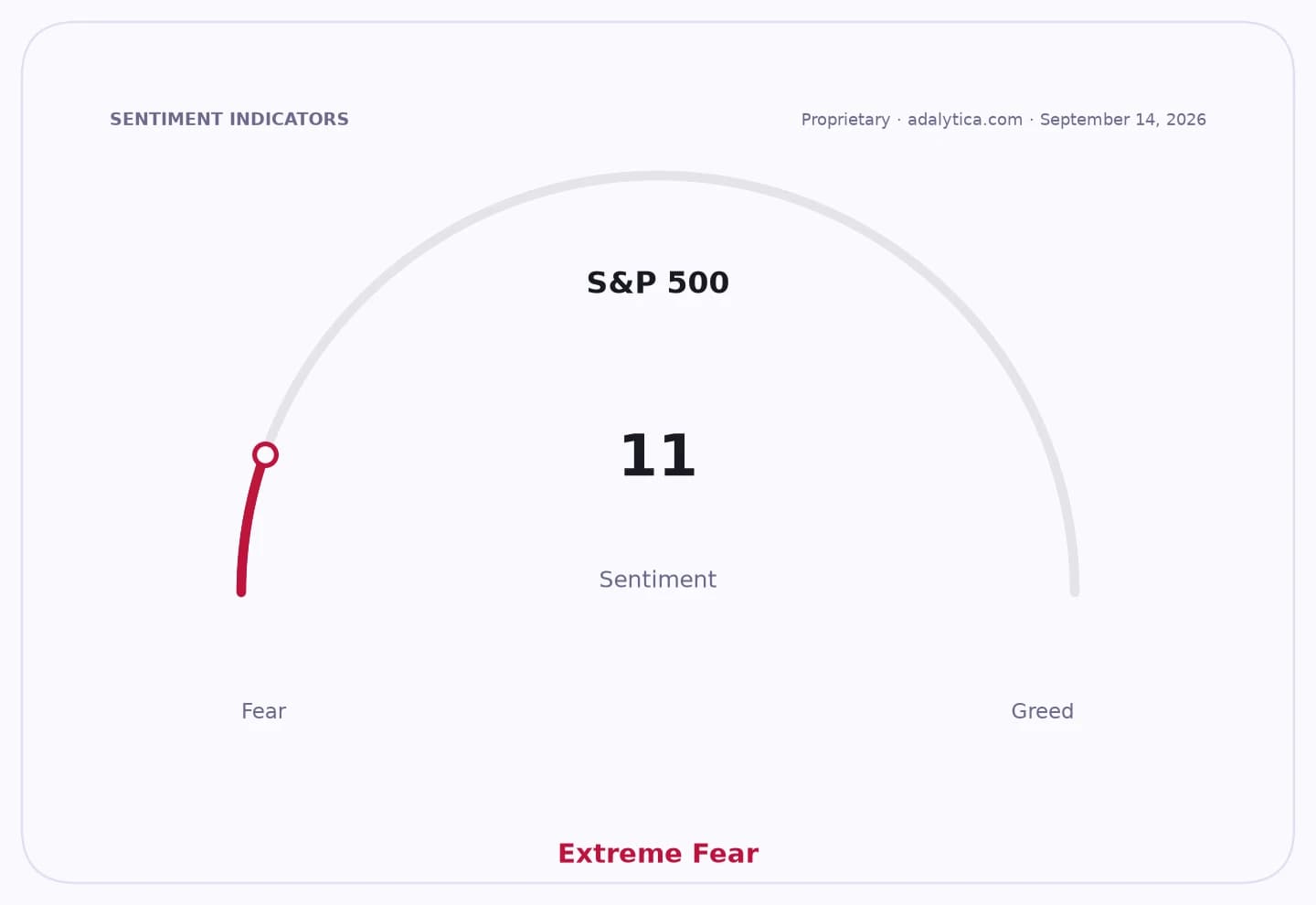
For investors, the key question is how much incremental volume Amazon can capture without eroding margins. Amazon shares have been trading well above the 200-day moving average and near the 50-day average, underscoring a market that still expects the company’s retail and advertising engine to keep compounding even as consumer sentiment stays weak. Adalytica’s Consumer Spending Sentiment gauge sits at 22, labeled fear, while Retail Goods Spending Sentiment is 33, signaling a cautious shopper heading into the event.
That backdrop makes Prime Day both an opportunity and a test. Amazon can use the event to clear inventory, push higher-margin marketplace activity and promote its own hardware, from Echo and Fire TV to Kindle and Ring. But it also risks deeper discounting at a time when Walmart and Target are already leaning on low-price messaging and promotional discipline to defend traffic.
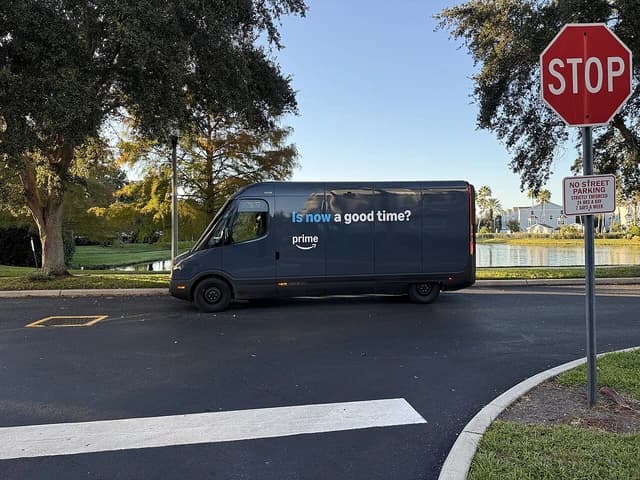
The earlier timing may also matter strategically. June positioning can capture back-to-school and summer spending earlier than the usual July slot, while giving Amazon a larger runway before the holiday season. The four-day format, now standard in Amazon’s major shopping events, is designed to keep customers checking back for lightning deals and daily offers, increasing app engagement and purchase frequency.
The bigger takeaway for investors is that Prime Day remains less about one weekend of shopping than about Amazon’s ability to pull demand forward and widen its grip on consumer spending. The next catalyst is whether early Prime Day activity translates into stronger third-quarter retail and advertising numbers without forcing heavier promotions across the sector.
| Entity | Gains | Losses |
|---|---|---|
| Amazon | ▲Higher traffic, more Prime sales | ▼Margin pressure from heavier discounts |
| Prime members | ▲More time to find deals | ▼Higher impulse-buy risk |
| Walmart and Target | ▲Promotional benchmark pressure | ▼Share of wallet if Amazon wins demand |
| Marketplace sellers | ▲Bigger sales volume | ▼Higher fees and discounting costs |