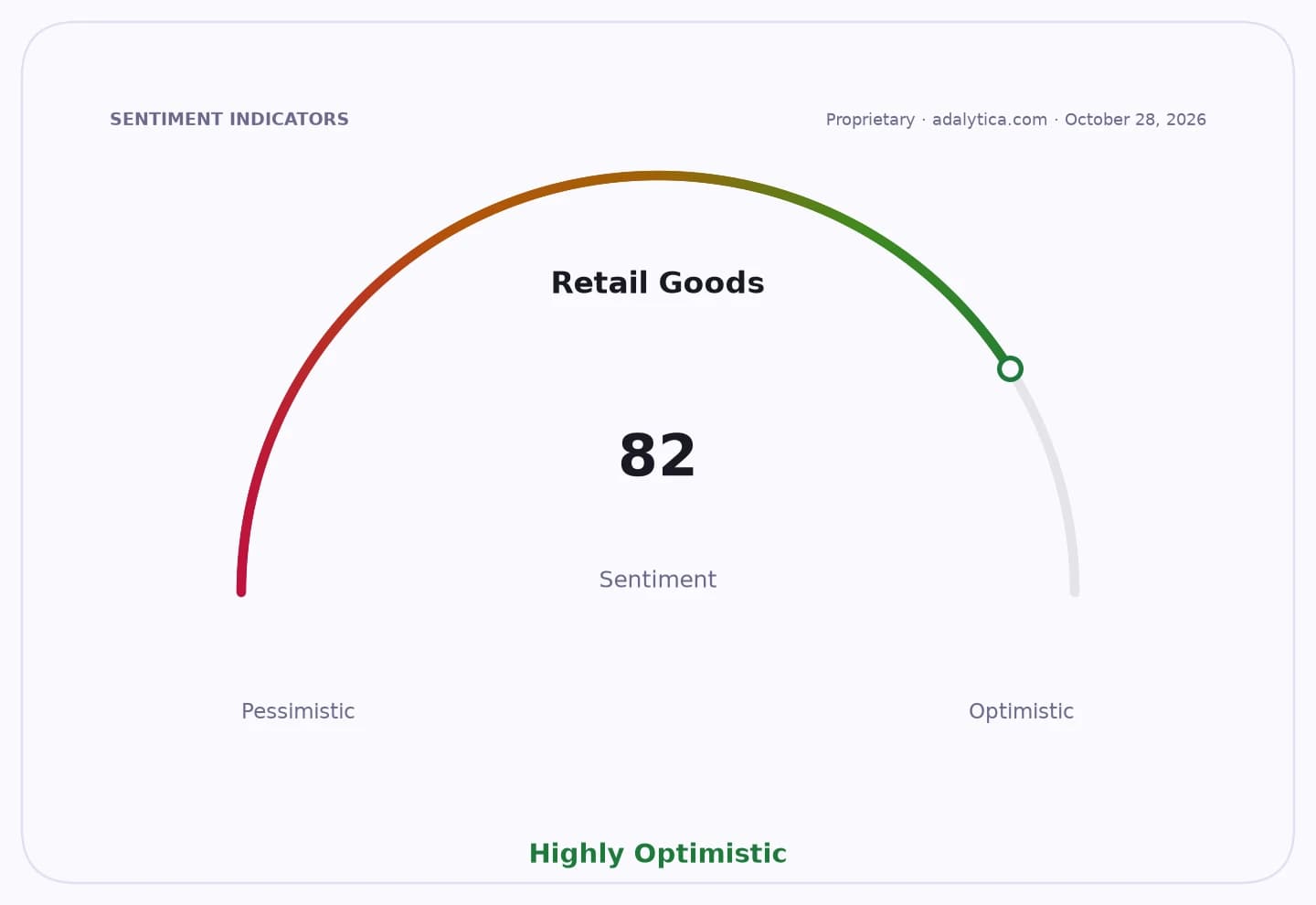
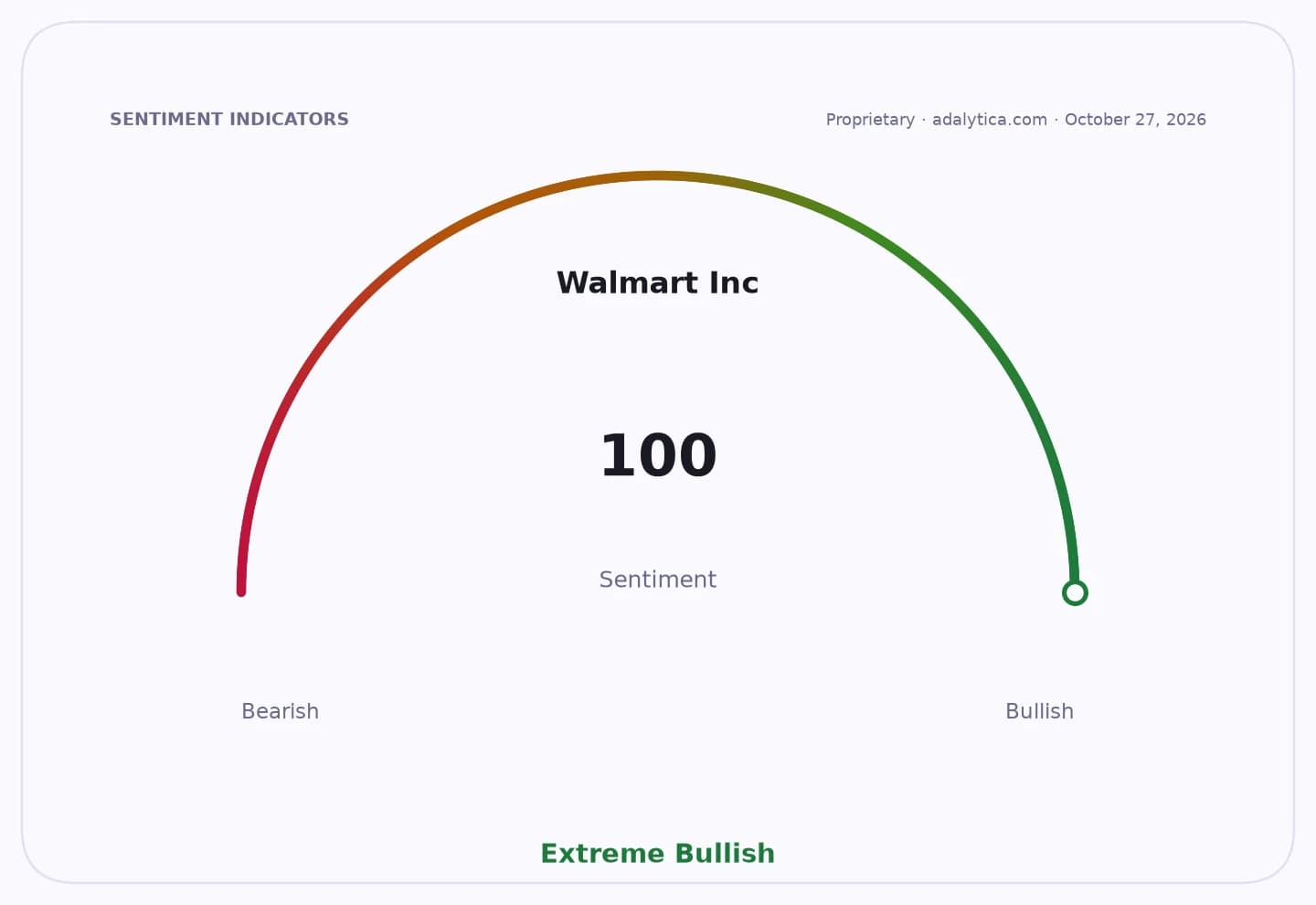
Amazon’s $2.5 billion settlement with the Federal Trade Commission matters because it turns one of the company’s fastest-growing recurring-revenue businesses into a legal and financial liability, even as Prime remains central to its retail and streaming strategy.
Amazon Prime FTC settlement and stock impact

The agreement could mean refunds of up to $200 for eligible Prime customers and is a reminder that regulators are focusing not just on market power, but on how large platforms enroll and retain users. For Amazon, that raises the cost of managing a membership base that helps lock in spending, supports shipping economics and underpins cross-selling across retail, video and advertising.
Sentiment Indicators
The financial hit is manageable for a company with Amazon’s scale, but the reputational and operational risk is harder to dismiss. The settlement could force changes to how Prime is marketed and how cancellations are handled, which may slow subscriber growth at the margin or increase churn if the onboarding process becomes less aggressive. That matters because Prime is not just a subscription product; it is a retention engine that helps drive basket size and purchase frequency across the broader marketplace.
Investors have so far been willing to look through the headline cost. Amazon shares closed at $253.92 on Oct. 27, above both the 50-day moving average of $255.23 and the 200-day moving average of $243.34, while the RSI reading of 45.1 suggests the stock is neither overbought nor deeply oversold. The bigger question is whether regulators are building a template for future action against subscription-heavy consumer platforms, including tighter disclosure, easier cancellation flows and higher compliance costs.
That would be particularly relevant at a time when consumer discretionary spending remains strong, but scrutiny of recurring billing models is increasing. Amazon can absorb the settlement from a balance-sheet perspective, but if the FTC case changes the economics of Prime acquisition or retention, the long-term effect could be felt in margins, customer engagement and the value investors assign to the company’s ecosystem.
| Entity | Gains | Losses |
|---|---|---|
| Eligible Prime customers | ▲Cash refunds | ▼Past subscription fees |
| FTC/regulators | ▲Enforcement leverage | ▼None materially |
| Amazon | ▲Retains Prime scale | ▼Legal costs and scrutiny |
| Amazon shareholders | ▲Settlement largely digestible | ▼Margin and conduct risk |