Amazon is pushing deeper into artificial intelligence with a new Thailand partnership, and investors are watching the much bigger question behind it: whether the company can monetize its massive AI spending fast enough to justify the outlay.
Amazon Thailand AI Partnership and AWS Expansion
That matters because Amazon is no longer just selling cloud capacity and retail convenience. It is trying to turn AI into a durable profit engine across Amazon Web Services, logistics, advertising and even training programs that help lock in customers before rivals do. In a market that has punished any hint of slowing returns on AI investment, the ability to convert spending into revenue growth and margin expansion is what separates a smart strategy from a costly arms race.
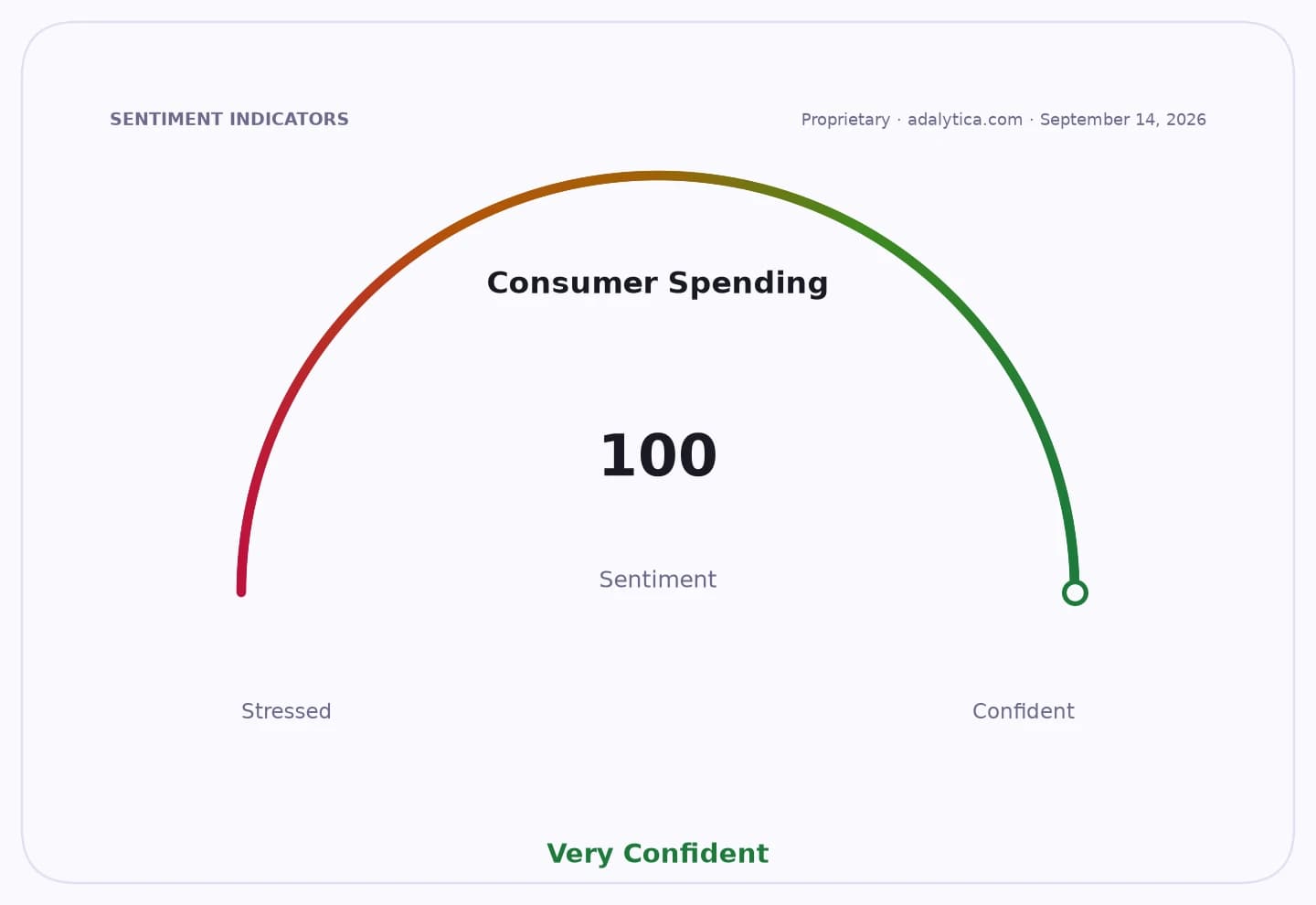
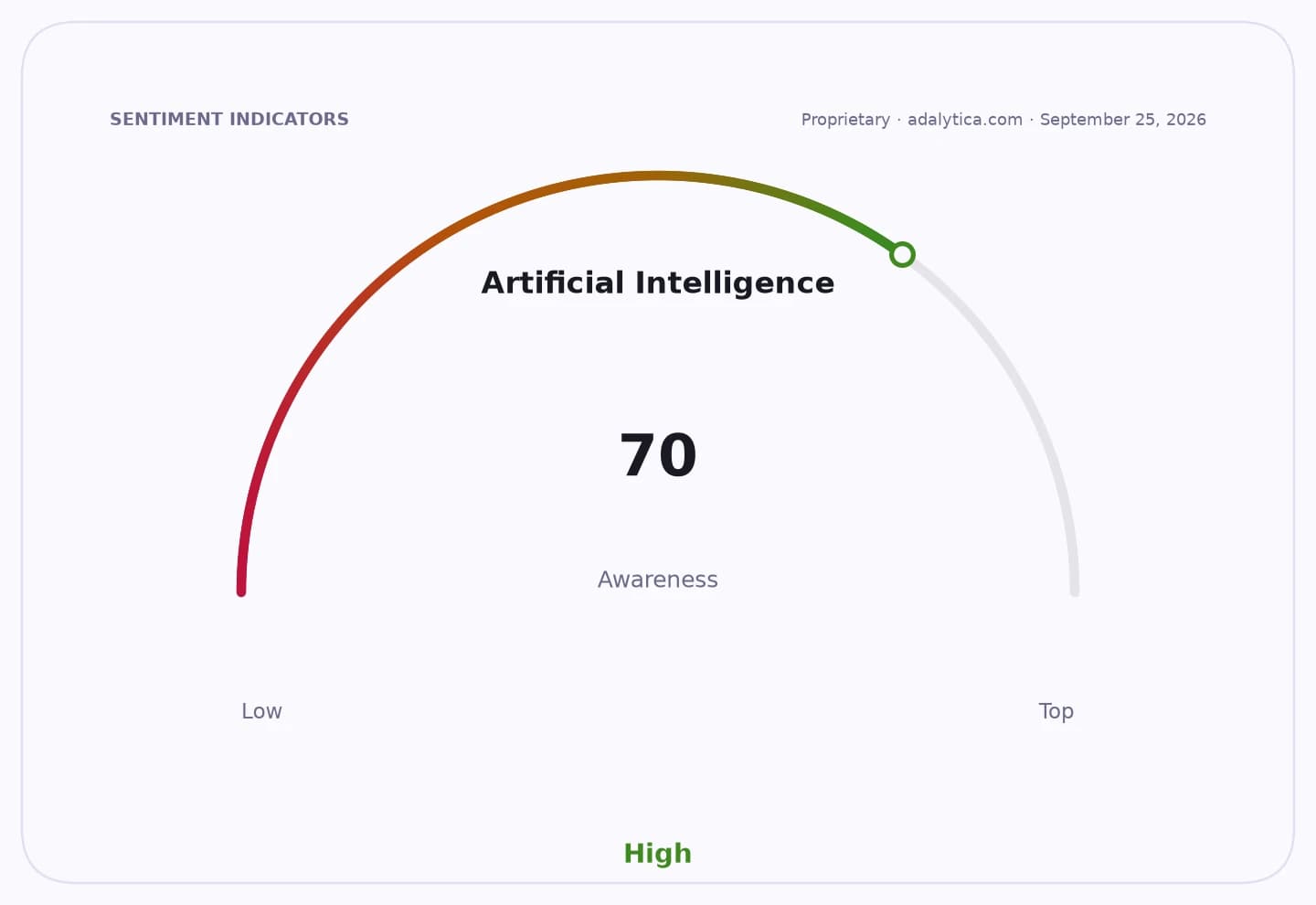
Sentiment IndicatorsⓘProprietary · adalytica.com · August 29, 2026
This is a snapshot — live sentiment, awareness and momentum for 130+ markets update continuously in the dashboard.Open AlphaPulse
The Thailand initiative, built with CP Arize Ventures Group and True Core, is designed to make the country a regional AI hub and comes with cloud and AI skilling programs tied to Thailand’s Ministry of Skill Development. On its own, that is not a huge financial event for Amazon. But strategically, it fits a pattern: the company is using partnerships and infrastructure investment to widen its reach in fast-growing markets while making AWS more central to how businesses adopt AI.
For long-term investors, that is the key attraction. Amazon does not need every AI project to be instantly lucrative. What it needs is for AI to deepen customer dependence, raise switching costs and keep cloud demand rising for years. If that happens, the payoff could be substantial because Amazon’s scale lets it spread enormous fixed costs across a larger base of enterprise customers and services.
The risk, of course, is that the spending races ahead of monetization. Amazon’s own filings warn that benefits from automation, artificial intelligence and machine learning may not meet expectations. Competition is also intensifying across cloud and AI, with Microsoft and Alphabet both pouring money into the same prize and defending their own ecosystems.
Still, the market appears willing to give Amazon the benefit of the doubt when the growth story is backed by real infrastructure, real partnerships and real customer adoption. Amazon’s shares have been volatile, but the stock remains well above its 200-day moving average, a sign that the longer-term uptrend is still intact even after sharp swings. Technical readings such as RSI have cooled from stretched levels, which can happen when a market digests a big move rather than abandoning the story altogether.
For investors, the bigger lesson is that Amazon’s AI spend should be judged over years, not quarters. If the company can keep turning cloud investment into enterprise adoption, advertising strength and logistics efficiency, the returns could compound in a way few businesses can match. If not, the stock will eventually force the issue through valuation.
For now, Amazon looks like a classic watchlist name for patient investors who believe AI is still in the early innings and want exposure to one of the few companies with both the capital and the scale to build real infrastructure around it.
| Entity | Gains | Losses |
|---|---|---|
| Amazon | ▲AI adoption and cloud demand | ▼Short-term margin pressure |
| AWS customers | ▲Better AI tools and support | ▼Higher switching costs |
| Microsoft and Alphabet | ▲Industry tailwinds from AI spending | ▼Less room for share gains |
| Long-term investors | ▲Potential compounding upside | ▼Near-term volatility |