A probe into a multimillion-dollar ambergris fraud has exposed how counterfeit “floating gold” was being sold as a rare whale byproduct across three states and Jakarta, underscoring the economic pull of scarcity-driven scams in luxury commodity markets.
Ambergris Fraud Probe Spans Three States and Jakarta
The case matters because ambergris, long prized in high-end perfumery and traded for its rarity, commands prices that can tempt sophisticated fraud as well as casual buyers. When a product fetches a premium based on scarcity, authenticity becomes the core asset — and the fraud risk becomes part of the market structure. The alleged scheme also highlights how quickly demand for a niche, hard-to-source input can be weaponized through false provenance and staged sales pitches.
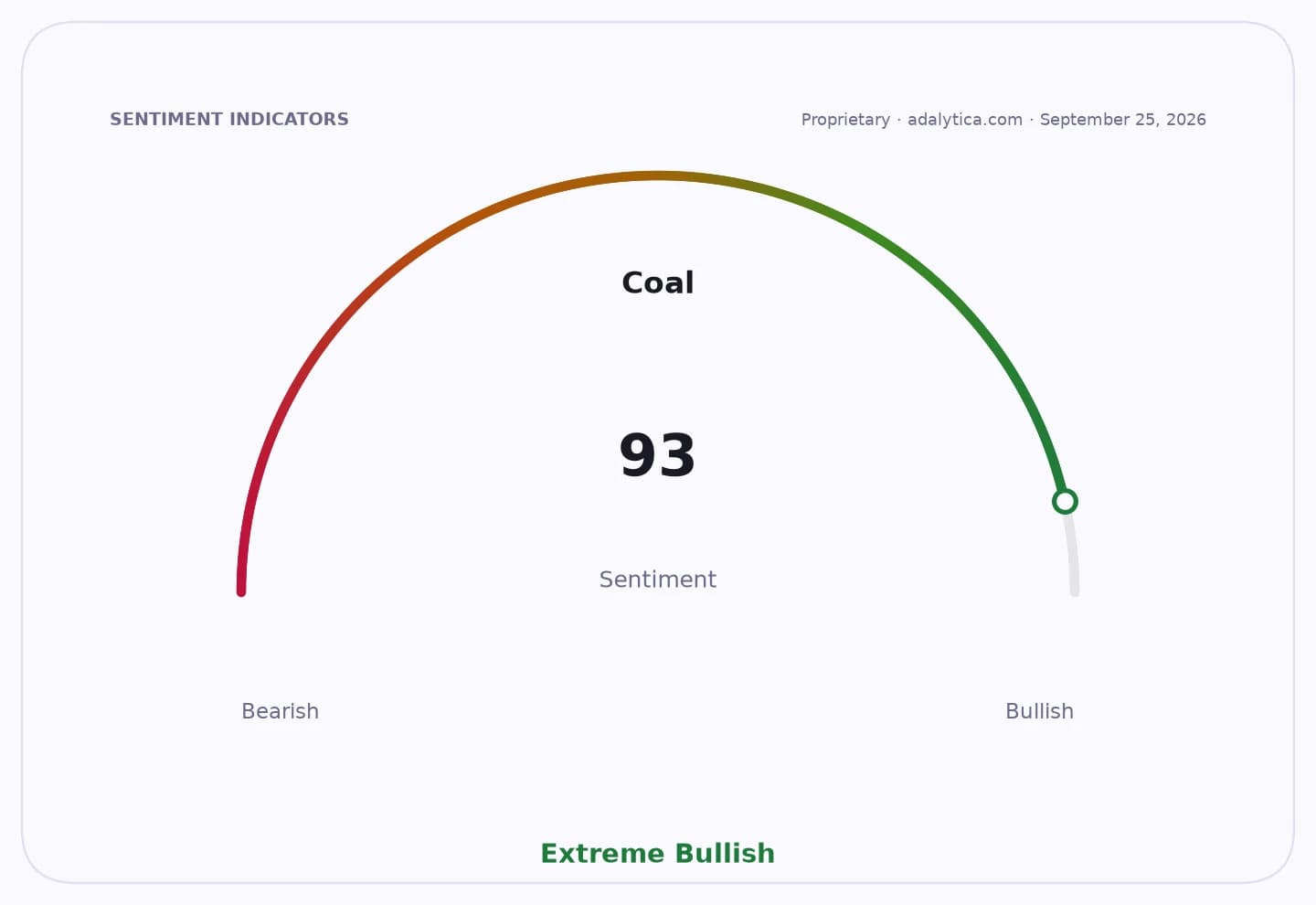
Sentiment IndicatorsⓘProprietary · adalytica.com · August 20, 2026
This is a snapshot — live sentiment, awareness and momentum for 130+ markets update continuously in the dashboard.Open AlphaPulse
Investigators say the material was fabricated from asphalt, rubber and pig fat, a formulation designed to mimic the look and texture of genuine ambergris. That kind of counterfeit undermines confidence not just in a single transaction but in the wider network of dealers, collectors and downstream fragrance buyers who rely on trust rather than standardized exchange pricing. In markets built on rarity, verification costs rise, spreads widen and the premium for certified supply increases.
The regional scope — spanning three states and Jakarta — suggests the operation was not a one-off street scam but a coordinated sales effort aimed at multiple buyers. That makes the case relevant beyond criminal law. It is a reminder to investors and operators in luxury goods, specialty chemicals and niche raw materials that opaque sourcing can create reputational and legal risk, even where headline demand remains intact.
For buyers, the immediate implication is a higher bar for authentication and due diligence. For legitimate suppliers, the exposure may eventually support certified sourcing channels and tighter chain-of-custody standards. For investors, the broader lesson is that scarcity stories can inflate both legitimate margins and fraudulent opportunities, especially in markets where there is no transparent benchmark price.
The case is likely to reinforce scrutiny of unusual high-value trading activity and could cool speculative interest in ambergris-linked commerce until verification standards improve. In a market where trust is the product, the cost of counterfeit material can extend well beyond the seized batch.
| Entity | Gains | Losses |
|---|---|---|
| Legitimate ambergris suppliers | ▲Higher trust premium | ▼Near-term scrutiny |
| Fragrance buyers | ▲Better verification standards | ▼Higher sourcing costs |
| Fraud suspects | ▲None | ▼Legal exposure |
| Luxury commodity market | ▲Tighter controls | ▼Reputation damage |