Queensland renters are being hit with increases of as much as $150 a week, a sign that Australia’s housing affordability crisis is deepening just as policy and financing costs keep landlords under pressure.
AMH Shares Hold Above Key Moving Averages
For investors, that matters because rent is where the pain shows up first in a stretched housing market: when mortgage costs rise, landlords try to pass them through, and tenants are often the ones left absorbing the shock. The latest reporting from Queensland and New South Wales suggests the squeeze is broadening, not easing, with some tenants facing double-digit weekly increases even in properties that are already drawing complaints about condition and maintenance.
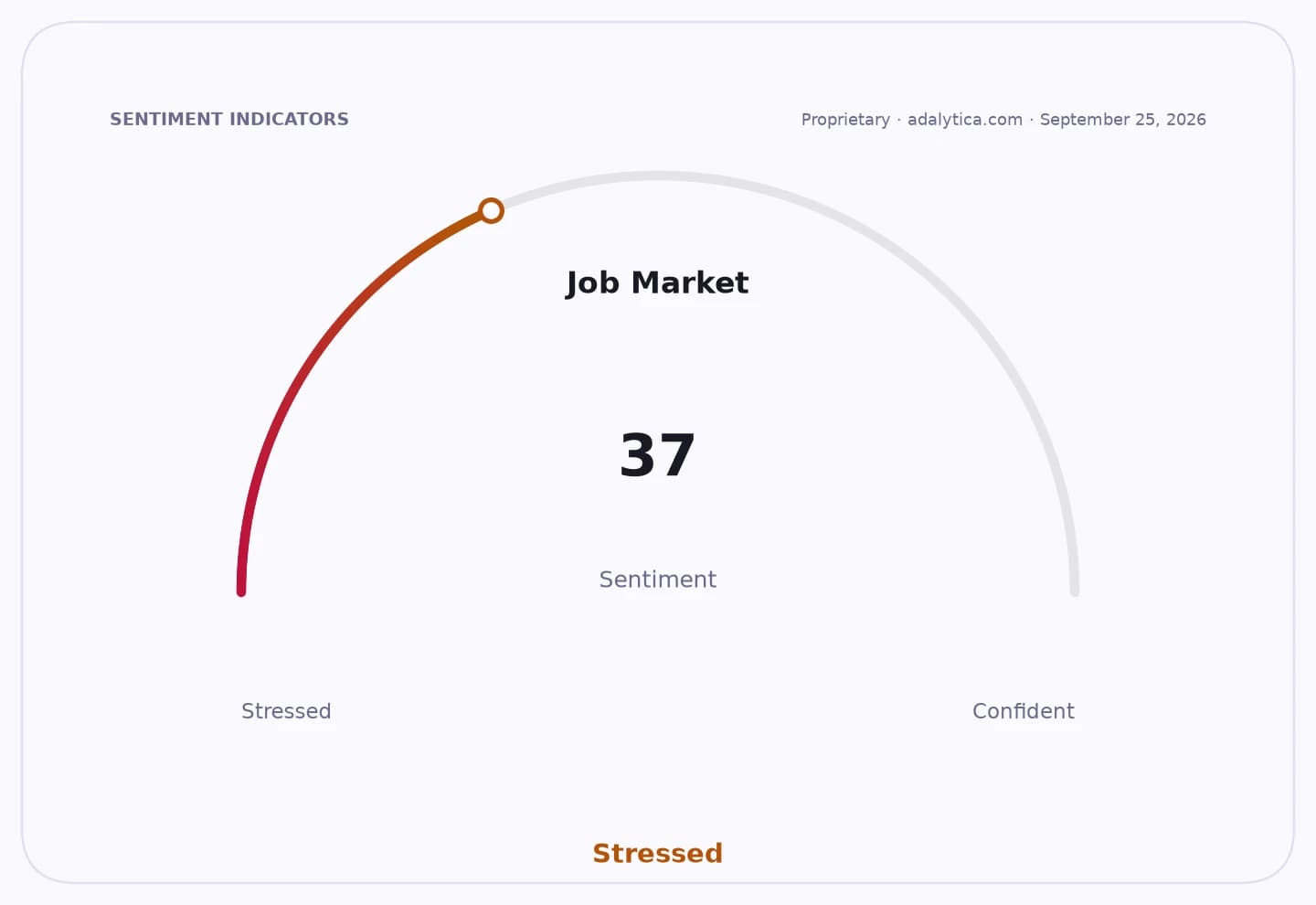
Sentiment IndicatorsⓘProprietary · adalytica.com · August 18, 2026
This is a snapshot — live sentiment, awareness and momentum for 130+ markets update continuously in the dashboard.Open AlphaPulse
The economic backdrop is straightforward. Higher borrowing costs have lifted the hurdle rate for property owners, while budget and tax changes are feeding expectations that landlords will keep pushing rents where they can. That creates a brutal feedback loop: affordability worsens, tenant churn rises, and political pressure on housing policy intensifies. For the Australian economy, sustained rent inflation is not just a household problem; it is a direct threat to disposable income and consumer spending.
The contrast with the U.S. rental market is telling. American Homes 4 Rent, the U.S. single-family landlord tracked under ticker AMH, has continued to report that its revenue depends on tenant retention and rent growth. Its latest filings said same-home revenues rose 2.4% in the first half of the year, underscoring how even a softer macro backdrop can still support pricing for landlords with scale and quality housing stock.
AMH’s shares have also held up better than the rent headlines might suggest. The stock closed at $33.67 on Aug. 18, above both its 50-day moving average of $33.42 and its 200-day moving average of $31.11, while RSI readings near 49 point to a stock that is neither overbought nor broken. In plain English, investors are still giving the landlord model the benefit of the doubt.
That is the longer-term lesson here. Housing shortages and sticky inflation can be painful for tenants, but they can also sustain revenue growth for well-run rental owners with disciplined portfolios. The risk is political: when weekly hikes get this sharp, governments tend to respond with more regulation, and that can cap the upside for landlords. For now, though, the story remains the same — housing scarcity keeps rent power alive, and investors should watch which companies have the balance sheet and tenant base to keep compounding through the noise.
| Entity | Gains | Losses |
|---|---|---|
| Large landlords | ▲Higher rent collections | ▼Tenant backlash, regulation |
| Queensland property owners | ▲Ability to lift asking rents | ▼Political scrutiny |
| Tenants | ▲— | ▼$150/week higher costs |
| AMH shareholders | ▲Steady rent growth, pricing power | ▼Policy risk if rent controls expand |