Andhra Pradesh is moving to expand low-price rice distribution and special counters, a policy step that could blunt food inflation for households but squeeze margins for traders and retailers already facing volatile grain costs.
Andhra Rice Policy May Squeeze Retail Margins
The plan matters because rice remains a staple in one of India’s biggest consumer markets, and any state-backed effort to cap prices can quickly alter demand, procurement patterns and retail flows. With global food prices under pressure from drought, fertilizer disruptions and supply chain strain, governments are increasingly intervening to keep essentials affordable.
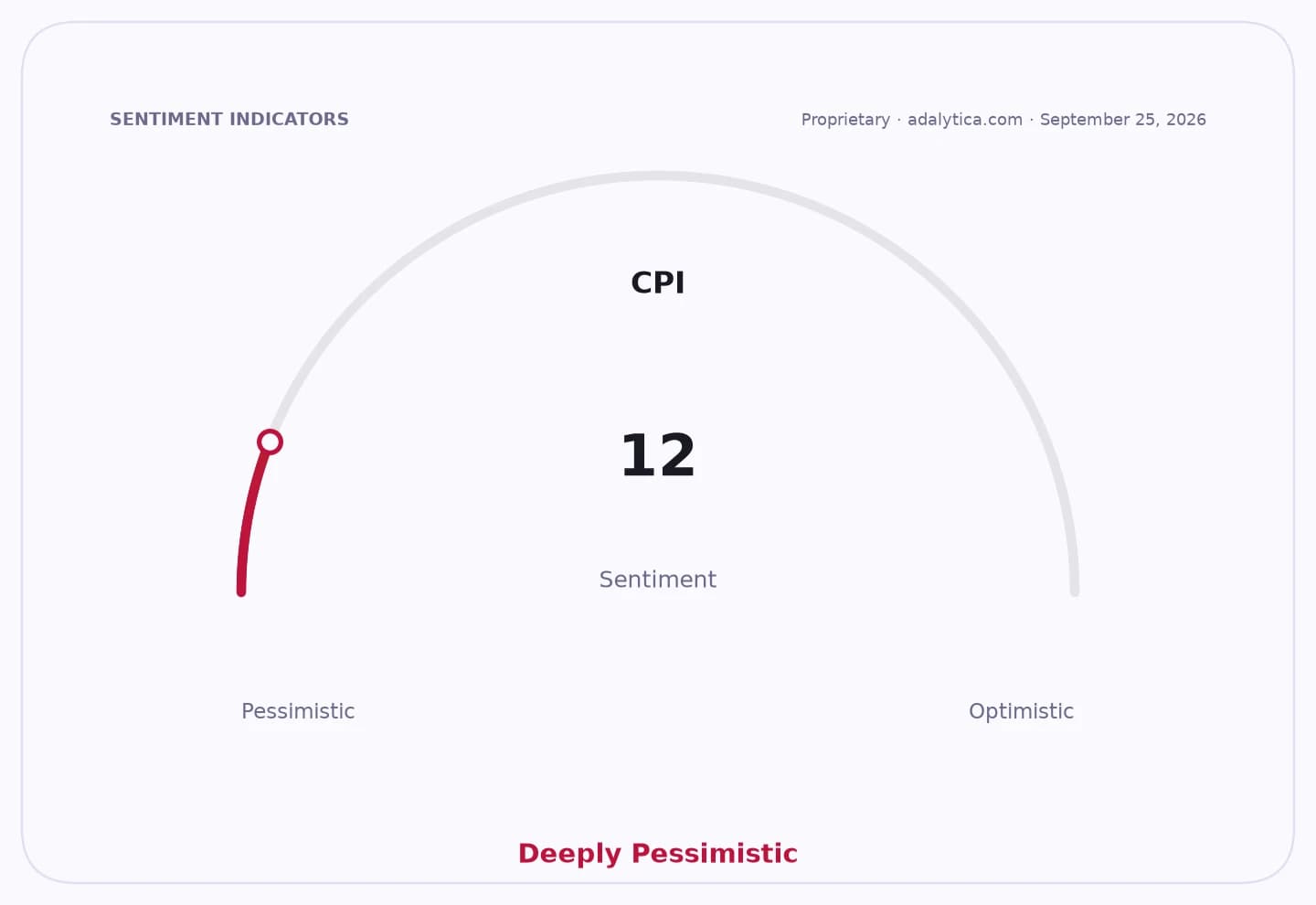
Sentiment IndicatorsⓘProprietary · adalytica.com · July 24, 2026
This is a snapshot — live sentiment, awareness and momentum for 130+ markets update continuously in the dashboard.Open AlphaPulse
For investors, the signal is that food inflation remains a live policy risk, not just a macro headline. Adalytica’s CPI gauge shows fear at 21 and awareness at 18, underscoring how sharply inflation concerns have intensified, even after recent swings in sentiment. That backdrop raises the odds of more administrative action on staples, which can affect margins across packaged food, grocery retail and commodity-linked businesses.
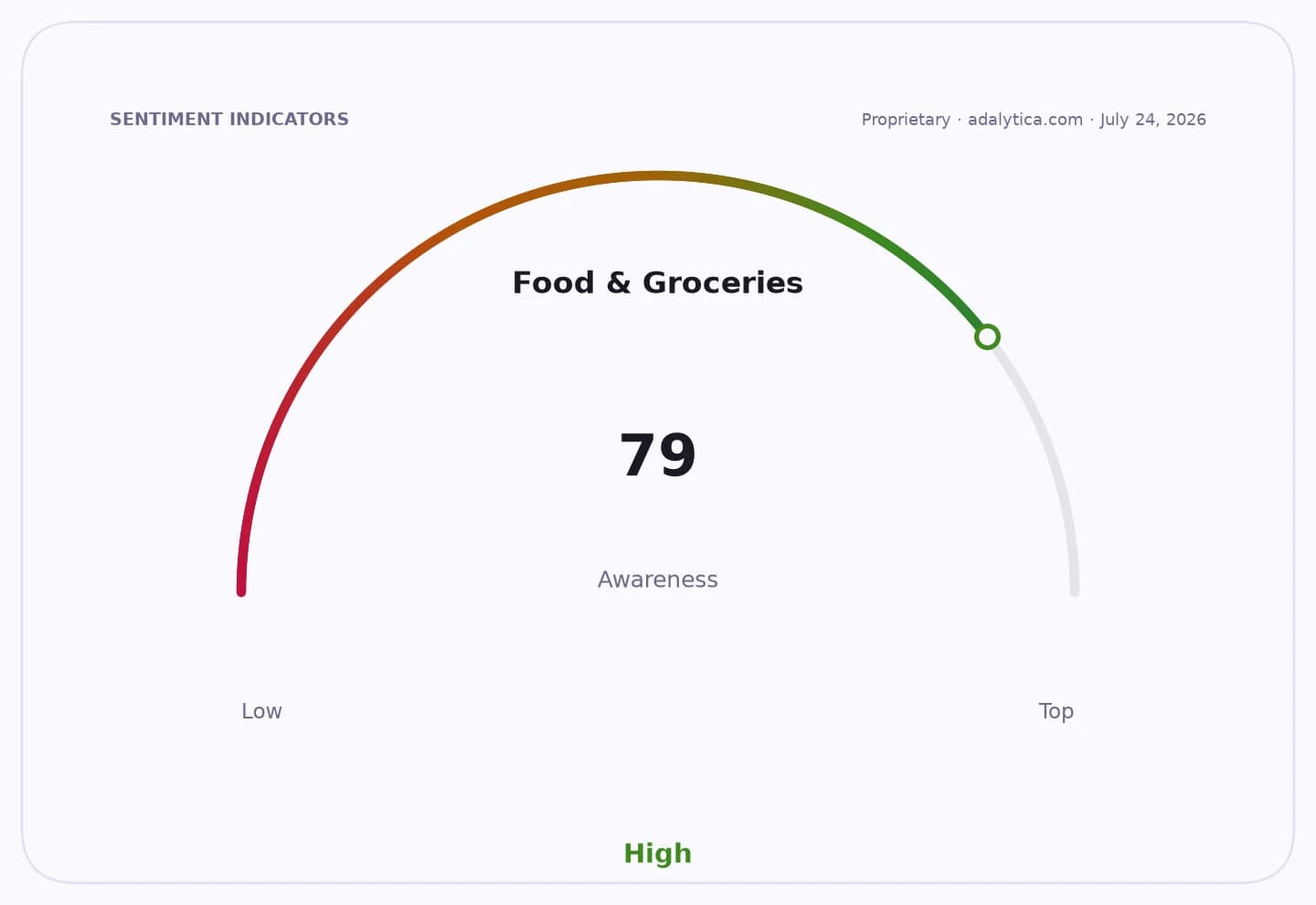
The broader food-and-grocery backdrop is also mixed. Adalytica’s Food and Grocery Spending Sentiment sits at 43, neutral, while awareness is elevated at 79, suggesting consumers are highly alert to price changes even as demand holds up. That combination tends to favor value-led retailers and price-disciplined distributors, while leaving premium sellers and merchants with less room to pass through costs.
Technical indicators on major U.S. grocery names point to a cautious market. Kroger’s shares have slipped to $55.76 from above $70 in May, while its 50-day moving average sits above the current price and RSI has cooled to 39.4, reflecting weakening momentum. Walmart, meanwhile, has eased to $108.40 from a recent peak above $130, though it still trades near its 50-day average, suggesting investors are watching whether defensive grocery exposure can hold up as inflation pressures shift.
The policy direction in Andhra Pradesh fits a larger pattern: governments trying to cushion households from rising food costs while exporters, traders and retailers absorb the squeeze. The next test will be whether the rice subsidy and special counters stay targeted enough to limit fiscal strain without distorting local market pricing or supply.
| Entity | Gains | Losses |
|---|---|---|
| Andhra Pradesh consumers | ▲Lower rice costs | ▼Less direct price pressure |
| State government | ▲Political goodwill | ▼Higher subsidy burden |
| Traders and retailers | ▲Higher foot traffic | ▼Margin compression |
| Grocery chains | ▲Defensive demand | ▼Pricing power limits |