China’s state-backed iron ore buyer has struck a supply deal with Anglo American, a move that matters because it helps lock in ore flows into the world’s largest steel market at a time when inventories are tightening and prices are being supported by firmer demand.
Anglo American wins China iron ore supply deal
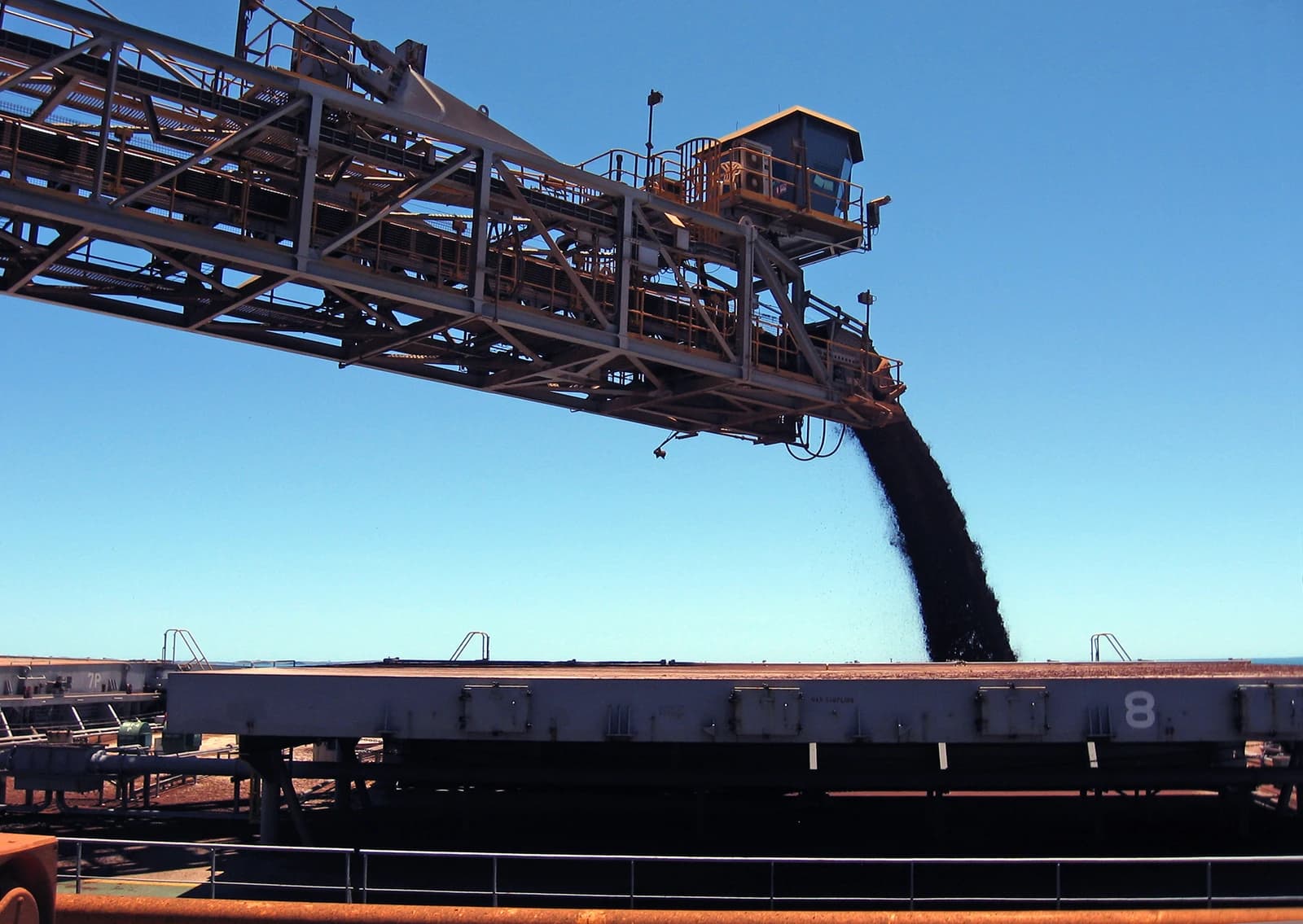
For investors, the deal is another reminder that China still has enormous influence over the economics of the seaborne iron ore trade. When the country’s central buying apparatus commits to supply, it tends to reinforce the pricing power of the major miners — especially those with premium ore, dependable logistics and long-standing customer relationships.
Sentiment IndicatorsⓘProprietary · adalytica.com · August 17, 2026
This is a snapshot — live sentiment, awareness and momentum for 130+ markets update continuously in the dashboard.Open AlphaPulse
The agreement also comes at a useful moment for the mining sector. Iron ore and steel prices have been rising as stockpiles at major Chinese ports have fallen and output of hot metal has stayed resilient. That backdrop has helped keep sentiment constructive for the big producers, even as the market remains vulnerable to swings in Chinese industrial activity and periodic regulatory scrutiny across the supply chain.
Anglo American is not the only beneficiary. The broad set of global miners selling into China — including Rio Tinto and BHP — continue to trade as leveraged plays on steel demand and supply discipline. Their shares have reflected that optimism, with both stocks holding above their 200-day moving averages and Rio in particular showing a powerful run earlier this year. That kind of price action suggests investors are already leaning toward a stronger-for-longer earnings backdrop for the miners.
Still, the longer-term lesson for investors is less about one contract and more about the structure of the market. China remains the swing buyer, and its willingness to secure supply from a major miner underscores how essential imported iron ore is to keeping its steel sector running. For Anglo American, the deal supports near-term volumes and cash generation. For shareholders, it is a sign that disciplined producers with high-quality assets still have room to compound value in a cyclical industry.
The key question now is whether tight inventories and steady Chinese buying can offset slower broader growth. If they can, iron ore may stay healthier than many expect, which would be good news for miners and their dividend streams. Long-term investors should keep the sector on the watchlist, but focus on balance-sheet strength, cost control and asset quality rather than chasing every swing in spot prices.
| Entity | Gains | Losses |
|---|---|---|
| Anglo American | ▲More secure China demand | ▼Less exposure to spot swings |
| China state buyer | ▲Supply certainty | ▼Limited buying leverage |
| Rio Tinto and BHP | ▲Supportive sector pricing | ▼Fewer gains from weaker ore prices |
| Steelmakers | ▲Stable feedstock access | ▼Higher raw-material costs |