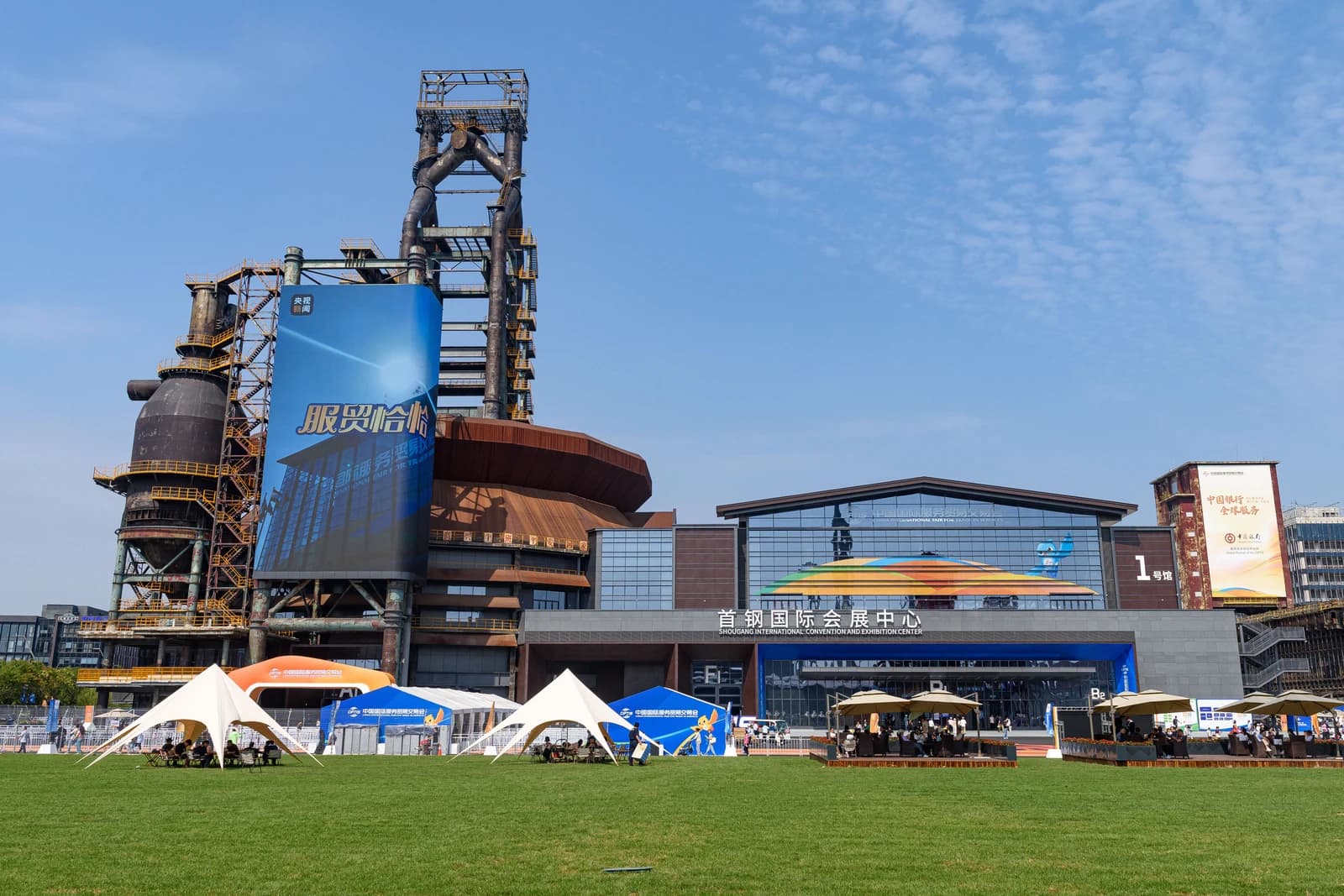
Anshan’s first pet source expo is underscoring how one of northeast China’s old industrial hubs is trying to build a new growth lane around the pet economy, a shift that matters for local jobs, consumer spending and factory output even as broader China demand remains uneven.
Anshan opens first pet source expo in Liaoning
The event, which opened Saturday in Liaoning province, is part of a push to turn Anshan from a traditional steel base into a pet industrial cluster, Xinhua reported. For local officials, the appeal is straightforward: pet-related manufacturing can add a higher-value consumer layer to a region better known for heavy industry, while drawing suppliers, distributors and retailers into a single ecosystem.
Sentiment IndicatorsⓘProprietary · adalytica.com · October 3, 2026
This is a snapshot — live sentiment, awareness and momentum for 130+ markets update continuously in the dashboard.Open AlphaPulse
That matters economically because China’s pet market has been one of the more resilient consumer segments, supported by rising urban pet ownership and demand for food, grooming, accessories and health products. A trade fair built around “pet source” sourcing suggests the city is trying to capture more of that value chain, not just host downstream retail activity.
For investors, the story is less about a single expo than about where growth may be emerging inside China’s slowing consumption landscape. Domestic brands, contract manufacturers and logistics providers tied to pet products could benefit if Anshan succeeds in becoming a production and sourcing hub. The theme also fits Beijing’s broader effort to encourage local governments to find new industrial niches as traditional sectors come under pressure.
The market backdrop remains fragile. Adalytica’s China CCP Policy Direction Sentiment gauge shows “Extreme Fear” at 11, with awareness also at 11, suggesting investors are still cautious on China policy and growth prospects despite pockets of consumer strength. That helps explain why local initiatives tied to new consumption categories are drawing attention: they offer a more durable, domestically driven revenue stream than cyclical heavy industry.
PetMed Express shares, meanwhile, remain under pressure, with the stock closing at $1.36 on Oct. 2, below its 50-day moving average of $1.77 and far under its 200-day average of $2.34. RSI readings near 8 point to deeply oversold conditions, but they also reflect how weak sentiment remains across pet-related equities even as China’s pet industry builds out.
The next test is whether Anshan can convert the expo into sustained investment, contracts and production rather than a one-off showcase. If it does, the steel city’s pet cluster could become a small but telling example of how China is trying to engineer new consumer industries from older industrial bases.
| Entity | Gains | Losses |
|---|---|---|
| Anshan local economy | ▲New industrial diversification | ▼Dependence on steel |
| Pet manufacturers | ▲Access to sourcing hub | ▼Fragmented supply chains |
| Consumers/pet owners | ▲More product variety | ▼Limited if supply stays local |
| Traditional steel sector | ▲— | ▼Relative policy attention |