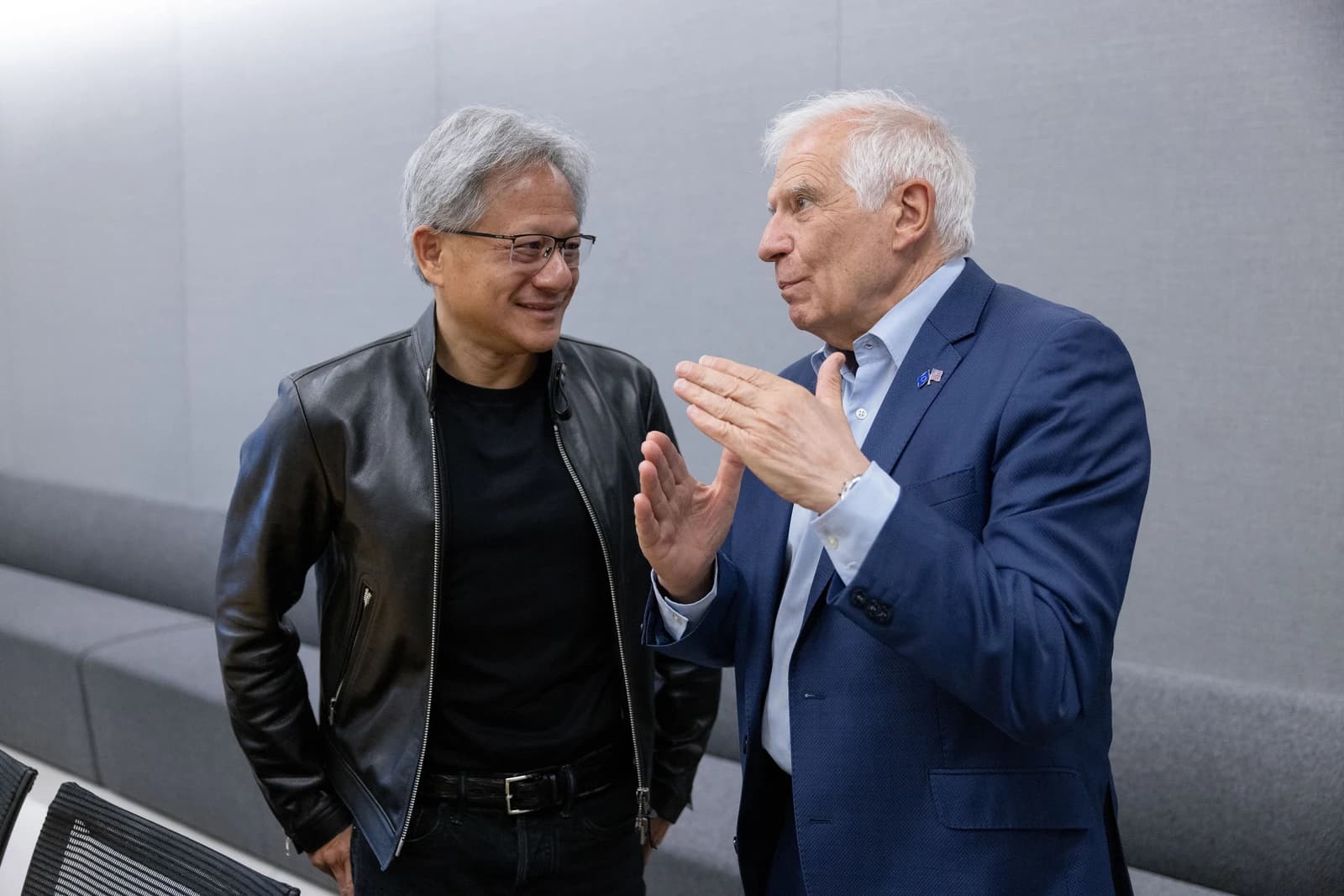
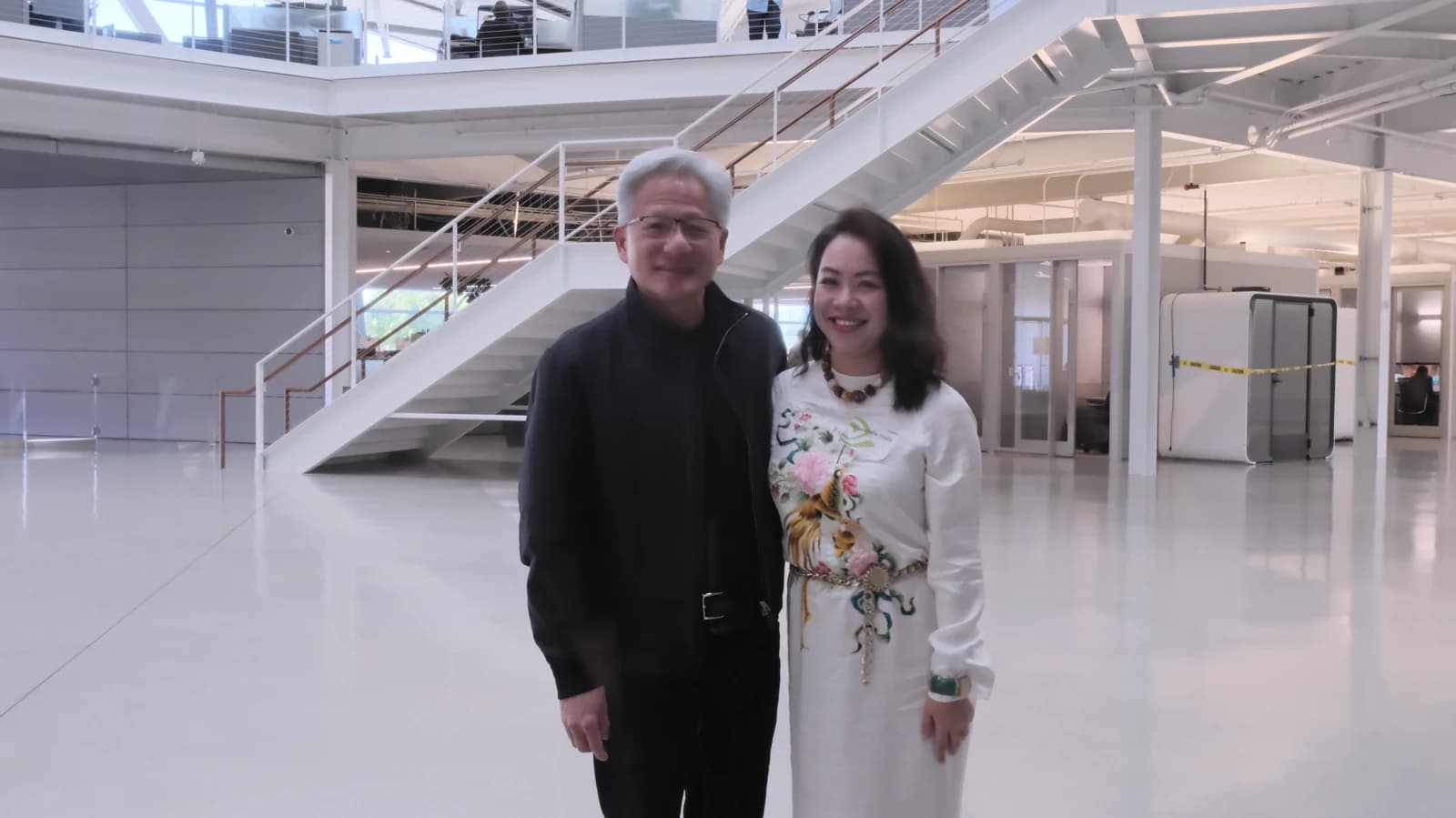
Anthropic’s decision to bring a Hindu monk into a San Francisco dinner on AI is more than a quirky talking point: it is a sign that the companies building frontier models know the next battleground is not just compute, but trust, governance and the social license to scale.
Anthropic dinner highlights AI trust and governance

That matters because the AI industry is moving from product demos to infrastructure buildout, and the cost of a mistake is rising as fast as the capital spending. The market has largely treated the AI race as a straight line from model quality to revenue, but investors are underestimating how quickly regulatory scrutiny, brand risk and public backlash can shape where enterprise dollars flow. The companies that can frame AI as safe, aligned and useful will win the largest contracts; the ones that can’t will face slower adoption, higher compliance costs and more resistance from customers and governments.
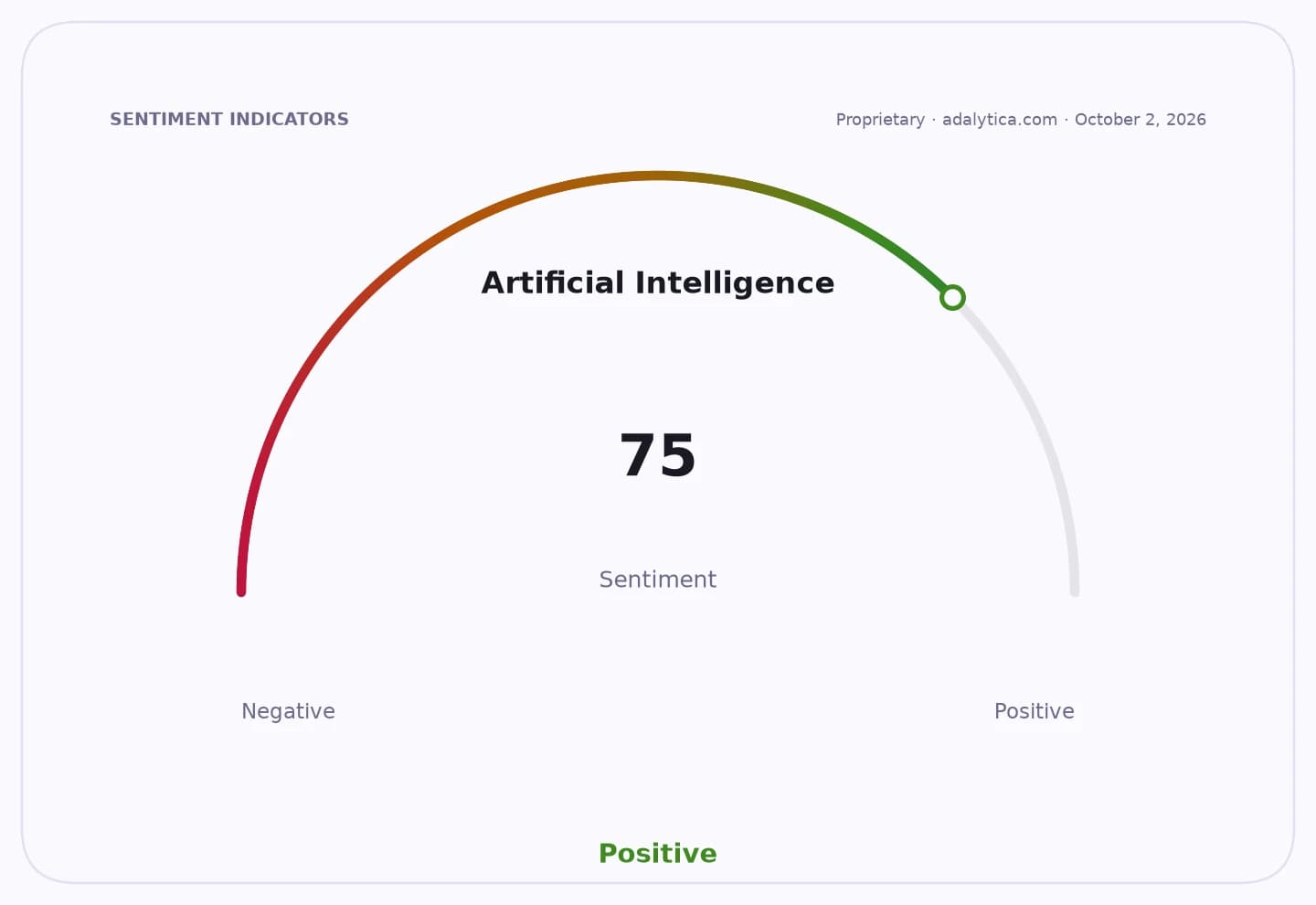
Sentiment IndicatorsⓘProprietary · adalytica.com · October 3, 2026
This is a snapshot — live sentiment, awareness and momentum for 130+ markets update continuously in the dashboard.Open AlphaPulse
The symbolism of the dinner fits the broader reality. Frontier AI has become a policy issue, an ethics issue and a procurement issue at once. That is exactly why Microsoft, Alphabet and Nvidia remain central names in the AI trade even as each faces different risks. Microsoft has warned in filings that AI systems can create legal, reputational and competitive harm, while also pointing to the EU AI Act as a potential cost driver. Alphabet has said its AI investment can divert management attention and raise disclosure and regulatory risks. Nvidia, meanwhile, sits on the hardware toll road that powers the whole boom, but it too has acknowledged governments may restrict frontier-model systems.
The market is still pricing the AI revolution mainly through chips and cloud capacity, and that remains right. Nvidia’s shares have surged back above their 200-day moving average and the stock has pushed near the upper end of its recent Bollinger Band range, a sign momentum is strong. Microsoft has also reclaimed a bullish technical posture, with its price trading above both the 50-day and 200-day averages. But the next leg of this trade will not belong only to the most powerful chip seller or cloud operator. It will belong to the platforms that can make AI acceptable to regulators, enterprises and the public.
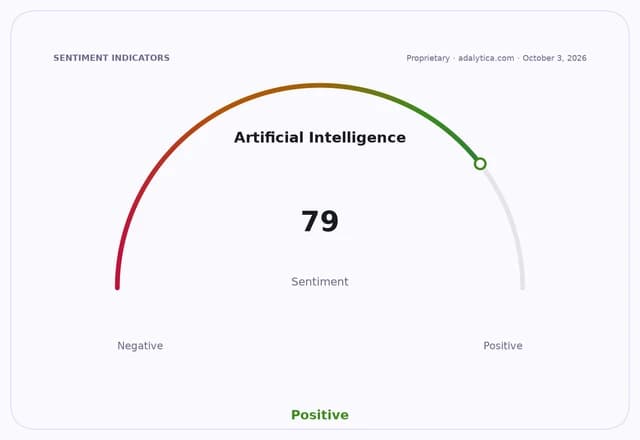
Artificial Intelligence — 30-day sentimentadalytica.com
Explore this data interactively — full history, time series and cross-market comparisons.Open AlphaPulse
That is where Anthropic’s positioning becomes interesting. By openly leaning into “morality push” branding and convening religious and ethical voices, it is signaling that alignment is becoming a competitive feature, not a side project. In a market where customers are asking whether AI is safe enough for workplaces, schools and public institutions, trust can become a distribution advantage. That could help Anthropic punch above its weight against larger rivals, while benefiting the ecosystem of governance tools, model-safety layers, compliance software and enterprise AI services built around frontier models.
For investors, the takeaway is simple: do not treat AI ethics as a soft headline. It is a hard variable in the adoption curve. The biggest winners should still be the picks-and-shovels suppliers to AI infrastructure, but the companies that solve safety, policy and reputation at scale may capture more durable enterprise demand than the market expects. If you want exposure, stay with the infrastructure leaders, but watch closely for the next winners in AI governance and compliance. That is where the underpriced opportunity may be forming.
| Entity | Gains | Losses |
|---|---|---|
| Anthropic | ▲Trust premium | ▼Purely technical rivals |
| Microsoft | ▲Enterprise AI demand | ▼Regulatory and legal risk |
| Nvidia | ▲AI capex boom | ▼Any slowdown in deployment |
| AI governance vendors | ▲New demand | ▼Unchecked model growth |