A former Anthropic researcher’s public warning about the risk of artificial intelligence causing human extinction is another reminder that the industry’s biggest economic question is no longer whether AI will reshape markets, but whether the race to build it will force companies and regulators into a much costlier regime of safety, compliance and oversight.
Nvidia, Microsoft, Alphabet Face AI Safety Costs

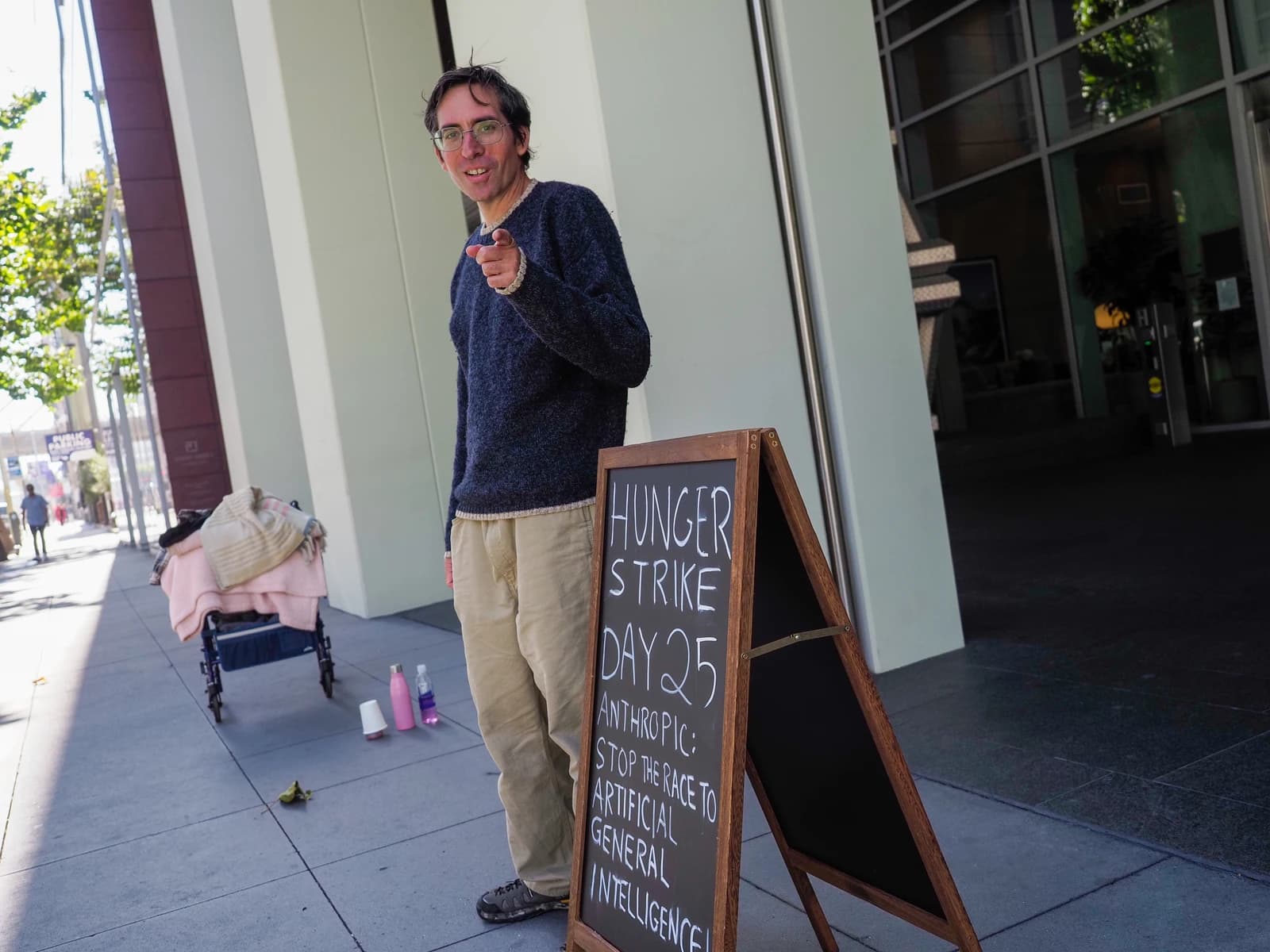
Jacob Coxon’s departure note to colleagues, sent on Slack hours before he posted a viral message arguing that AI could kill all humans within a decade, is more than a personal parting shot. It lands at a time when investors are already pricing in enormous capex across the AI stack while companies from Microsoft to Google and Nvidia are warning in filings that frontier models could trigger legal, regulatory and reputational harm. That combination matters because the next phase of AI monetization may be defined as much by governance costs and deployment friction as by model breakthroughs.
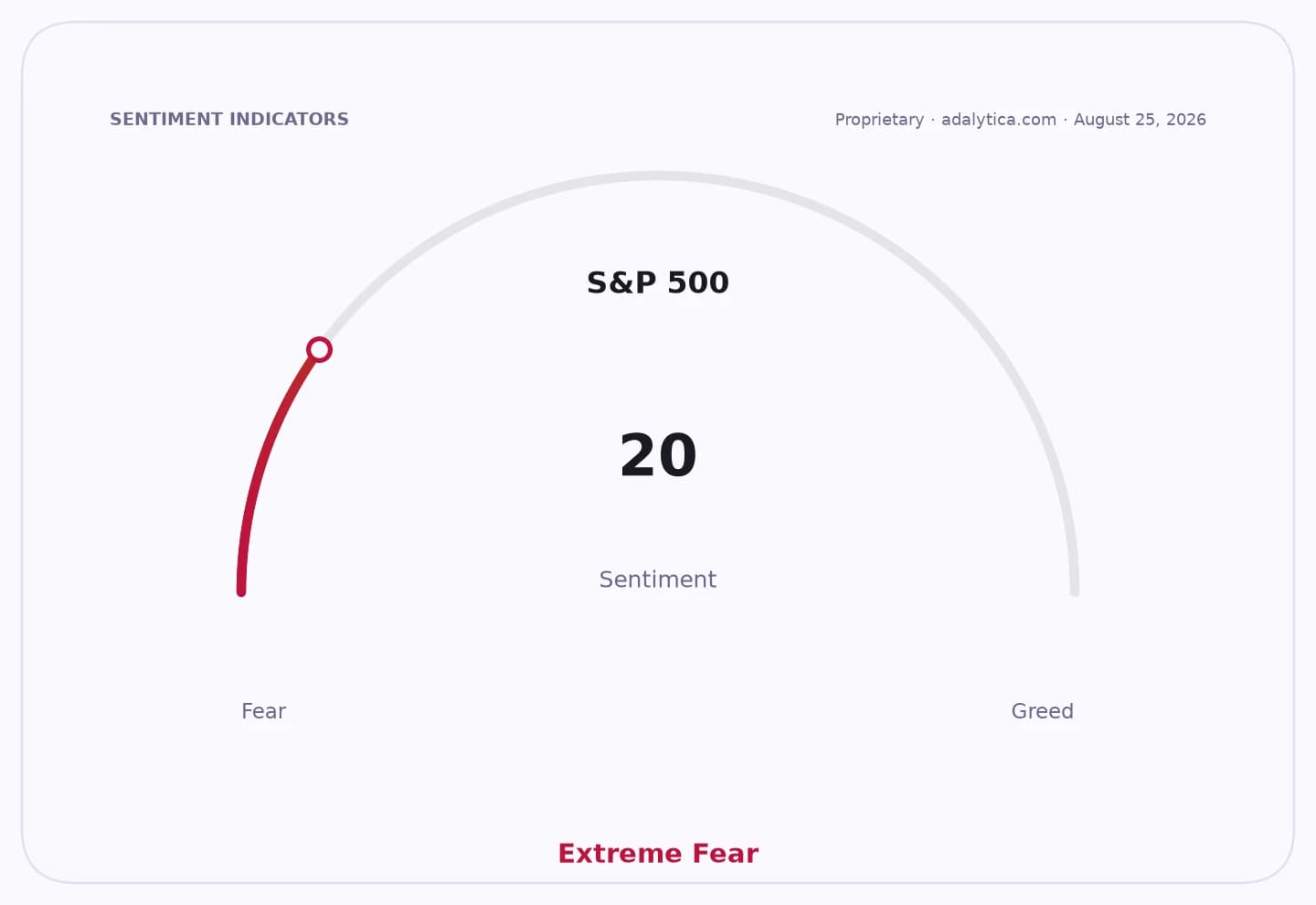
Sentiment IndicatorsⓘProprietary · adalytica.com · September 12, 2026
This is a snapshot — live sentiment, awareness and momentum for 130+ markets update continuously in the dashboard.Open AlphaPulse
For the market, the immediate takeaway is not that AI spending stops. It is that the winners are likely to be the infrastructure providers with the deepest moats, while the burden of safety concerns falls most heavily on model developers and platforms exposed to policy backlash. Nvidia closed at $218.29 on Friday, above its 200-day moving average, while Microsoft ended at $495.63 and Alphabet at $338.50, reflecting an equity market still willing to finance the AI buildout even as public anxiety around alignment and control intensifies.
That disconnect is precisely where the opportunity lies. The market underestimates how quickly “AI safety” can become a line-item cost across training, deployment, auditing, compliance and insurance. Anthropic, OpenAI, Microsoft and Google are all operating in an environment where one high-profile incident can accelerate regulation, tighten product restrictions and raise the cost of capital for the most visible players. In contrast, the picks-and-shovels layer — chips, networking, power, data-center buildouts and enterprise infrastructure — remains the cleaner way to express the megatrend without taking direct exposure to headline risk.
Adalytica’s AI gauge underscores the tension: sentiment in the AI theme has collapsed to extreme fear even as awareness remains elevated, a sign that the conversation is getting louder just as confidence is getting shakier. That is not a bearish signal for the entire sector; it is a rotation signal. Fear around frontier-model risk tends to push capital toward the companies that sell the rails, not the ones that must defend every new capability in public.
Microsoft’s own filings acknowledge that AI systems can produce unintended consequences and may invite legal or regulatory action. Nvidia has similarly warned that governments are considering restrictions on the hardware and software used to develop frontier models. Those disclosures matter because they frame the investable reality: the secular AI story is intact, but the margin pool is likely to migrate toward suppliers with scale, while the most visible AI brands absorb the costs of scrutiny.
For investors, that means the next leg of the AI trade is less about chasing every model launch and more about owning the indispensable bottlenecks. Compute, networking, power infrastructure and enterprise software remain the highest-conviction exposures. The companies most directly in the spotlight may still win, but the asymmetry increasingly favors the toll roads.
| Entity | Gains | Losses |
|---|---|---|
| Nvidia | ▲AI infrastructure demand | ▼regulatory scrutiny |
| Microsoft | ▲enterprise AI demand | ▼safety and compliance costs |
| Anthropic | ▲public trust from safety focus | ▼reputational pressure |
| Investors in picks-and-shovels | ▲steadier capex flow | ▼less upside from model hype |