A law firm founded by a Spanish Socialist lawmaker is still pushing mortgage foreclosures for Apollo-backed distressed-debt vehicles, even as the politician helps shape housing policy in parliament.
Apollo-backed mortgage foreclosures in Spain
That clash matters because housing is one of Spain’s most politically sensitive markets and mortgage enforcement remains a flashpoint for lenders, borrowers and lawmakers alike. The firm tied to Joaquín Martínez Salmerón, a Murcian PSOE deputy and former head of the Congress justice committee, is now handling at least 14 active cases in Murcia for funds based in Luxembourg and linked to Apollo, according to the report.
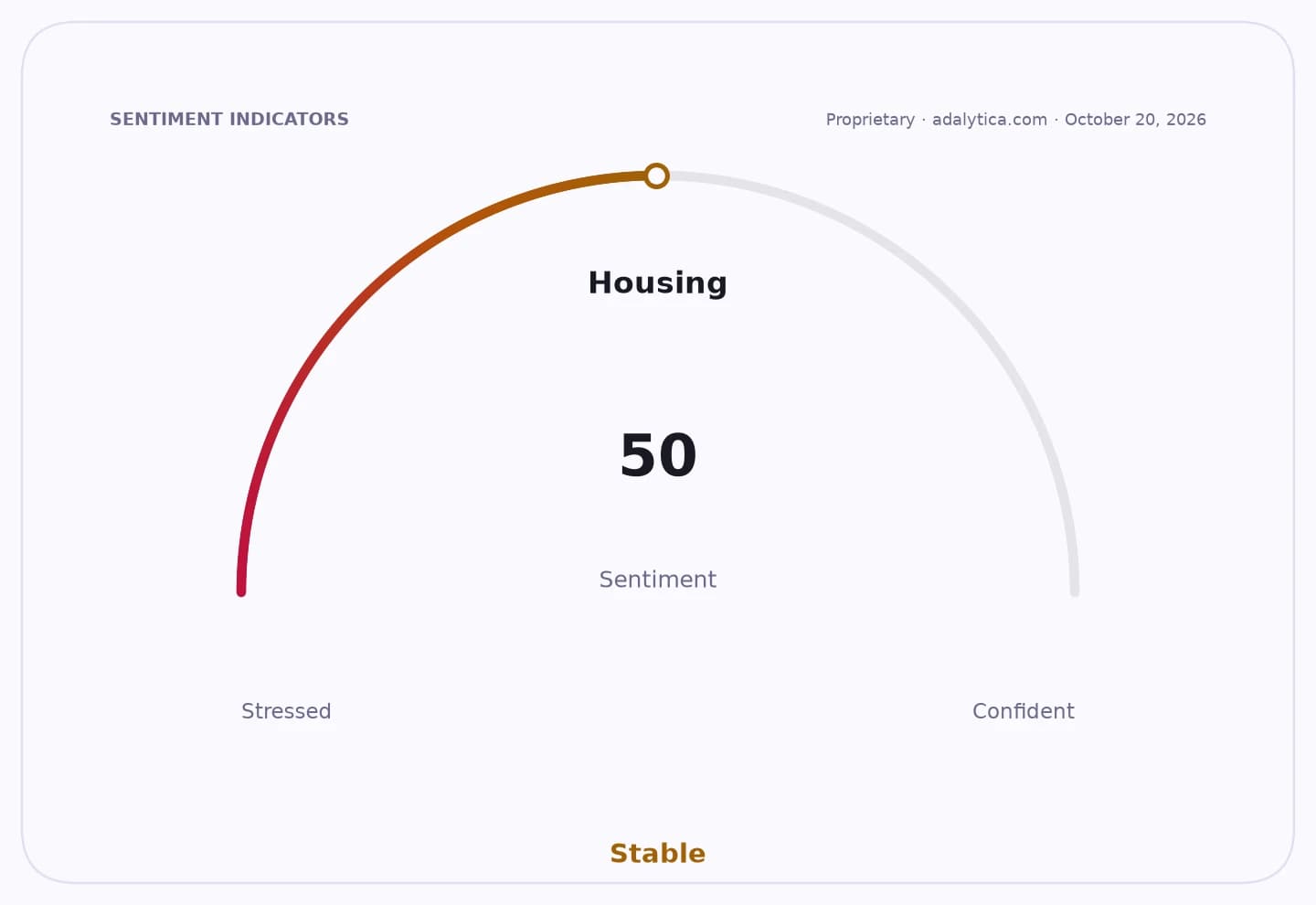
Sentiment IndicatorsⓘProprietary · adalytica.com · October 18, 2026
This is a snapshot — live sentiment, awareness and momentum for 130+ markets update continuously in the dashboard.Open AlphaPulse
For investors, the story sits at the intersection of distressed debt, housing pressure and political risk. Mortgage books sold by banks to opportunistic funds can still generate recoveries years later, but the optics of a sitting deputy’s law firm enforcing those claims against vulnerable homeowners sharpen scrutiny over how aggressively those portfolios are pursued and whether lawmakers face conflicts when voting on foreclosure and housing rules.
The report says the firm, Martínez & Salmerón Abogados, originally built its reputation on bank debt recovery and later expanded to represent buyers of impaired mortgages after banks sold loans on. One current case involves a doctor in Murcia facing eviction on a loan that was once held by a bank and is now owned by AP Malbec Bidco, a vehicle associated with Apollo. Another Apollo vehicle, AP Oxygen Bidco, is also being pursued by the same firm.
The commercial logic is straightforward. Distressed mortgage portfolios can be bought at a discount and monetized through restructurings, settlements or court-ordered sales. But the economic cost lands on households already squeezed by higher borrowing burdens and a still-stretched housing market. Adalytica’s Housing and Rent Inflation sentiment remains elevated, underscoring that the political backdrop around affordability is still hot even if awareness is low.
The political problem is even bigger. Martínez Salmerón sits on the permanent deputation that may vote on housing decrees aimed at limiting large landlords and protecting families from evictions. At the same time, he acknowledges the law firm he founded continues to work for funds that bought mortgage debt from banks. That may be legal, but it is exactly the sort of overlap that can erode trust in housing policy at a time when Spain is debating how much power landlords and debt buyers should have.
There is also a governance angle investors should not ignore. If lawmakers are seen to have undisclosed business interests in property and debt recovery, regulatory risk can rise quickly. More disclosure pressure, tougher rules on mortgage enforcement or fresh limits on debt buyers would not just affect one firm; they would ripple through banks, servicers and distressed-credit funds that depend on predictable court enforcement.
For long-term investors, the wider takeaway is that Spanish housing is not just a real-estate story. It is a credit story, a political story and, increasingly, a governance story. Banks want to clean up old loan books, funds want to squeeze returns from them, and politicians are under pressure to protect borrowers. That tension is likely to stay in place, making mortgage servicers and debt buyers worth watching, but also raising the premium on transparency and legal certainty.
| Entity | Gains | Losses |
|---|---|---|
| Apollo-backed debt funds | ▲Mortgage recoveries | ▼Political goodwill |
| Martínez & Salmerón Abogados | ▲Fee income | ▼Reputation |
| Banks selling bad loans | ▲Balance-sheet cleanup | ▼Future recovery upside |
| Borrowers facing foreclosure | ▲Few gains | ▼Housing security |