Apple’s embroidered product launch video is a sign that the biggest brands are starting to market the fact that a human made something at all, as consumers grow more skeptical of AI-generated imagery and advertising.
Apple Human-Made Ad Strategy and Brand Trust
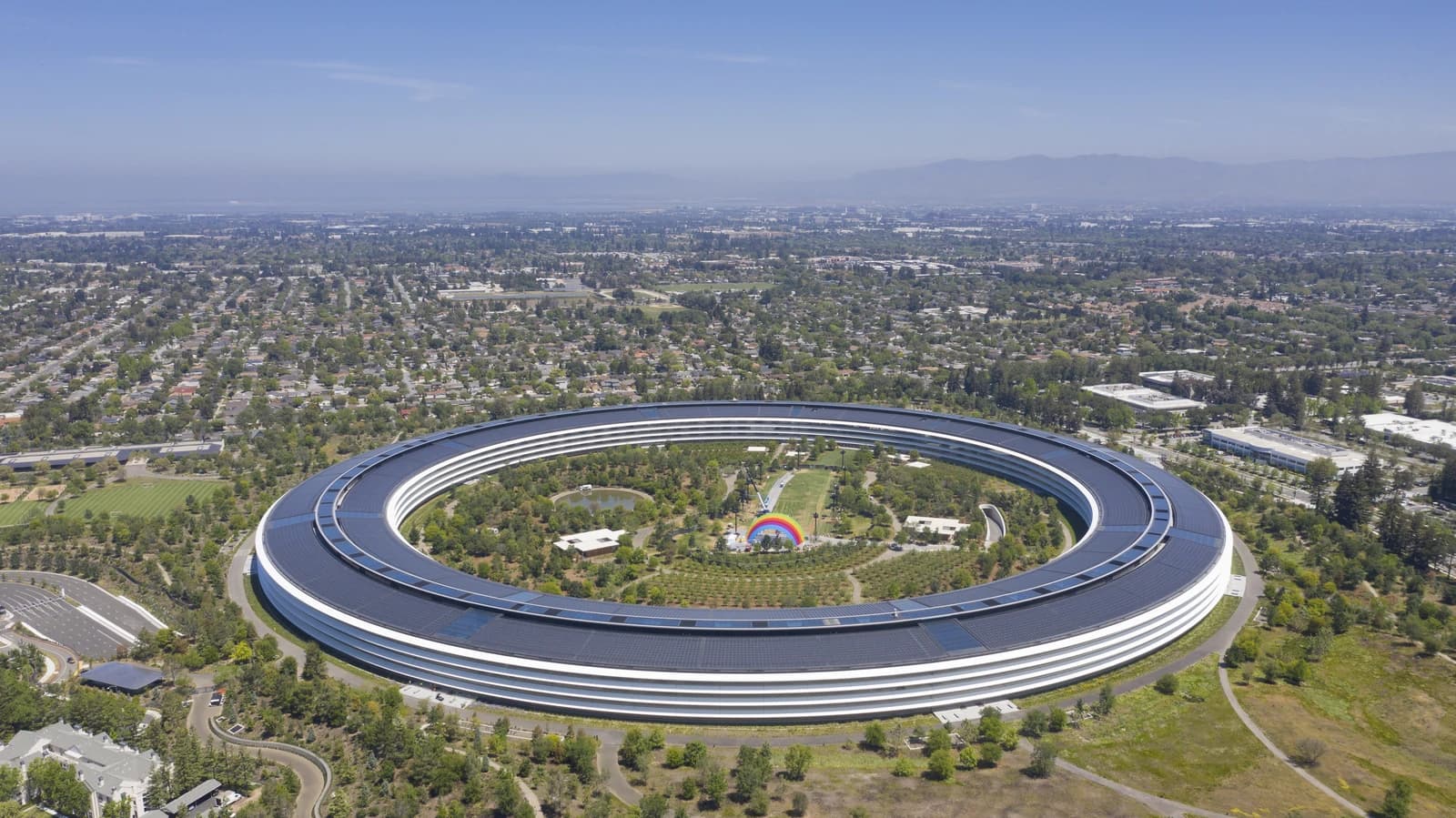
That matters because trust is becoming a commercial asset. New research cited in the launch story found human-made ads scored 14% higher on predicted short-term sales effectiveness and 17% higher on long-term brand health than AI-generated alternatives, suggesting craftsmanship can translate into measurable marketing gains, not just aesthetic appeal.
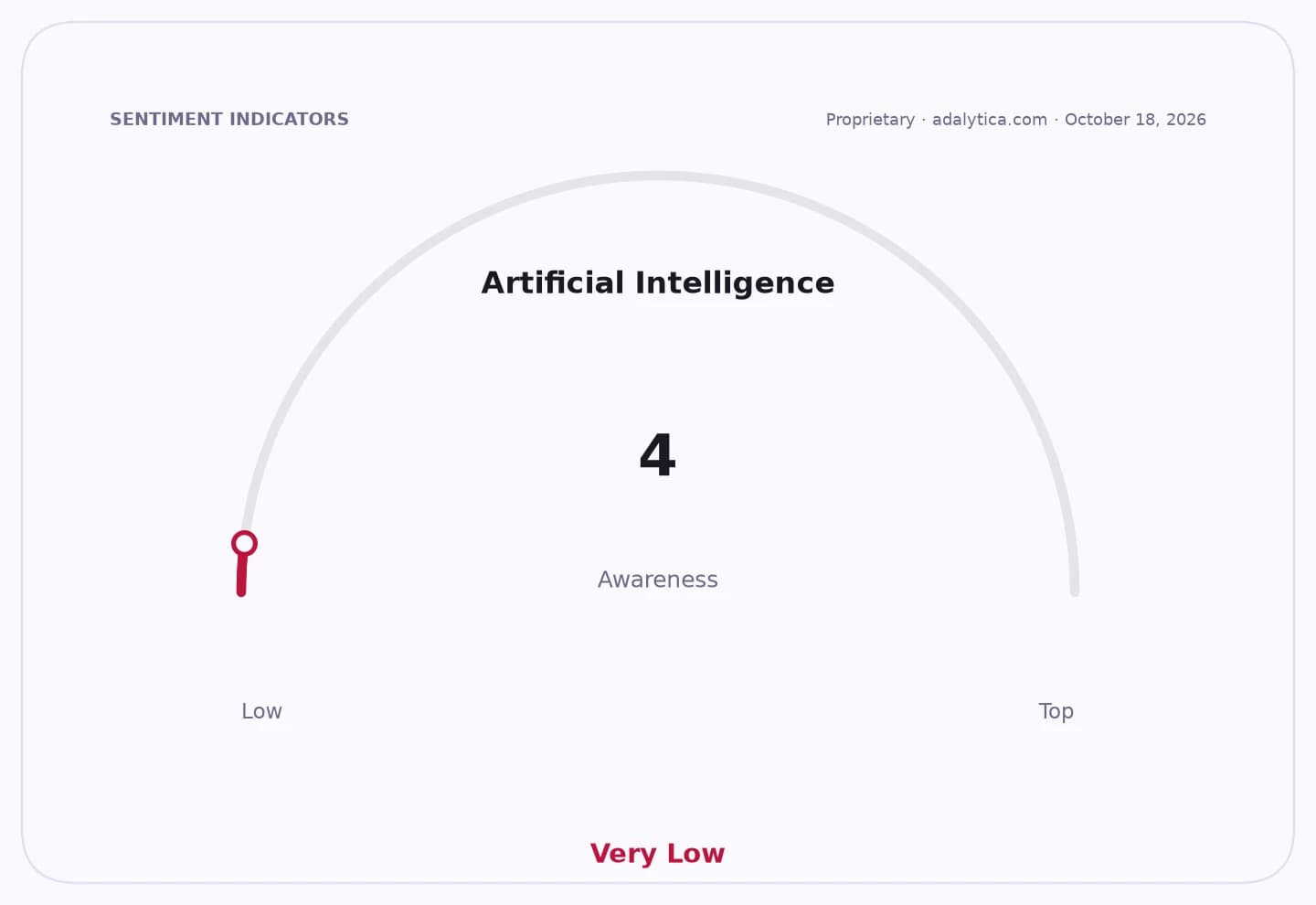
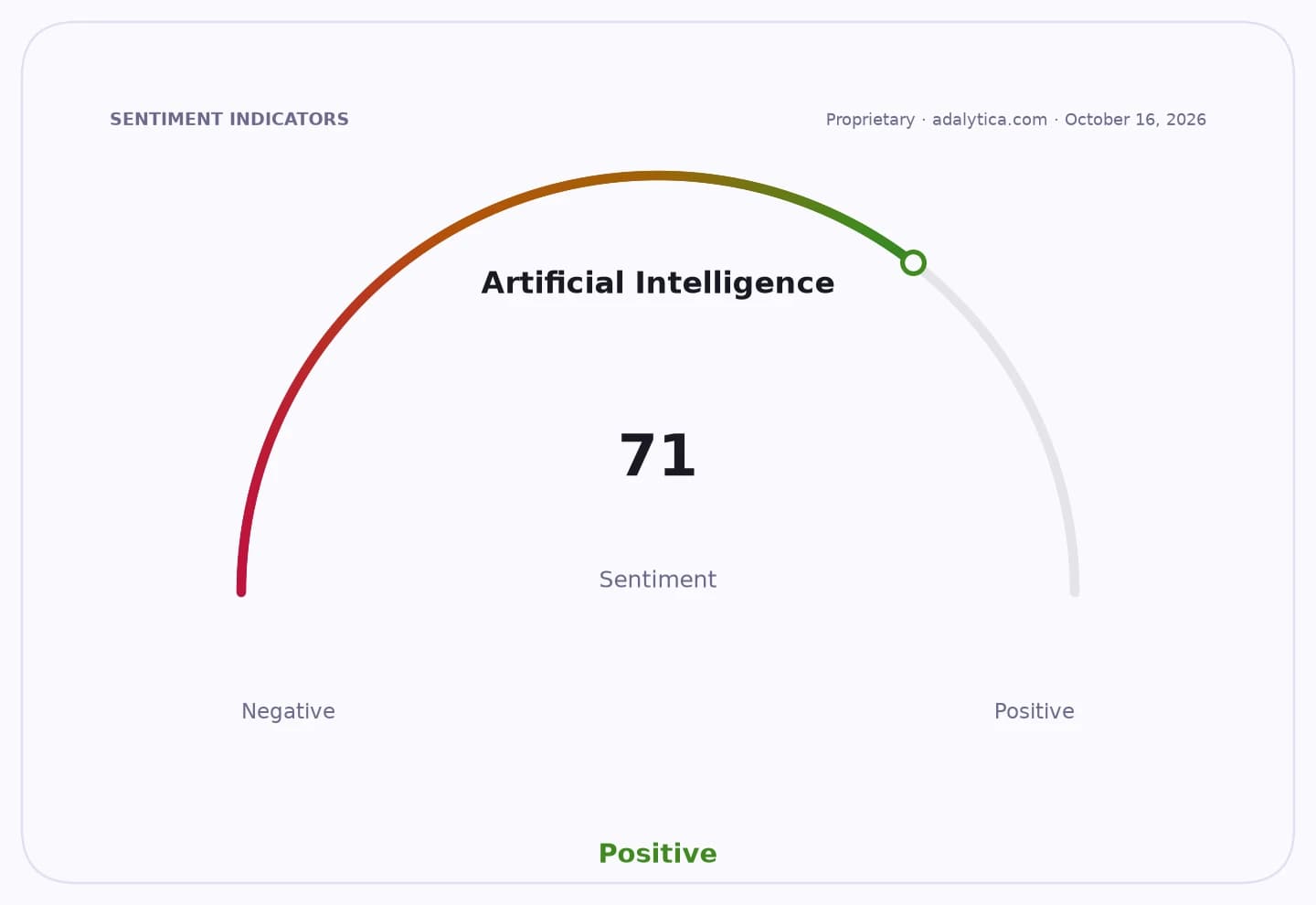
Sentiment IndicatorsⓘProprietary · adalytica.com · October 17, 2026
This is a snapshot — live sentiment, awareness and momentum for 130+ markets update continuously in the dashboard.Open AlphaPulse
Apple’s Oct. 13 “Welcome Home” campaign, which featured its rainbow logo stitched by Sydney-based twin sisters Maricor/Maricar, is the clearest example yet of a large tech company using visible human effort as the message. The company did not just post a polished image; it released behind-the-scenes video of hands at work, turning process into part of the pitch.
The move marks a sharp contrast with Apple’s recent advertising missteps. In 2024, the company drew backlash and later apologized for an iPad Pro ad that crushed creative tools under a hydraulic press, and it pulled other campaigns after criticism over stereotypes and messaging. The shift toward stop-motion and embroidery suggests Apple is trying to repair the brand by leaning into care, not spectacle.
For investors, the significance is broader than one campaign. If consumers increasingly reward brands that can prove human involvement, then premium positioning may depend less on scale of production and more on authenticity, especially in categories where AI-made content is flooding feeds, search results and ad placements. That could help support pricing power for brands with deep creative equity, while leaving copycat marketers more exposed.
The market backdrop is supportive of that narrative. Apple shares have held near record territory, closing at $343.46 on Oct. 16, above the 50-day moving average of $325.69 and the 200-day moving average of $292.14, while the relative strength index stood at 56.4, signaling the stock remains firm but not stretched by conventional technical measures.
Microsoft and Nvidia, meanwhile, have also been navigating the AI boom from a different angle. Microsoft closed at $529.05 on Oct. 16, just below its recent highs, while Nvidia ended at $214.13, down from recent peaks as investors reassess the pace of AI monetization. Both stocks remain central to the AI trade, but Apple’s ad strategy underscores a separate investment theme: the companies best positioned for the AI era may also be those that can convincingly differentiate themselves from it.
The next test is whether this kind of “human-made” branding stays a novelty or becomes a pricing lever. If consumers continue to value visible craftsmanship, more companies may start advertising not just what they sell, but who made it.
| Entity | Gains | Losses |
|---|---|---|
| Apple | ▲Premium brand appeal | ▼AI-generated sameness |
| Human creatives | ▲Higher value for craft | ▼Automated ad production |
| AI content makers | ▲Faster production scale | ▼Trust and differentiation |
| Investors in premium brands | ▲Stronger pricing power | ▼Generic marketing returns |