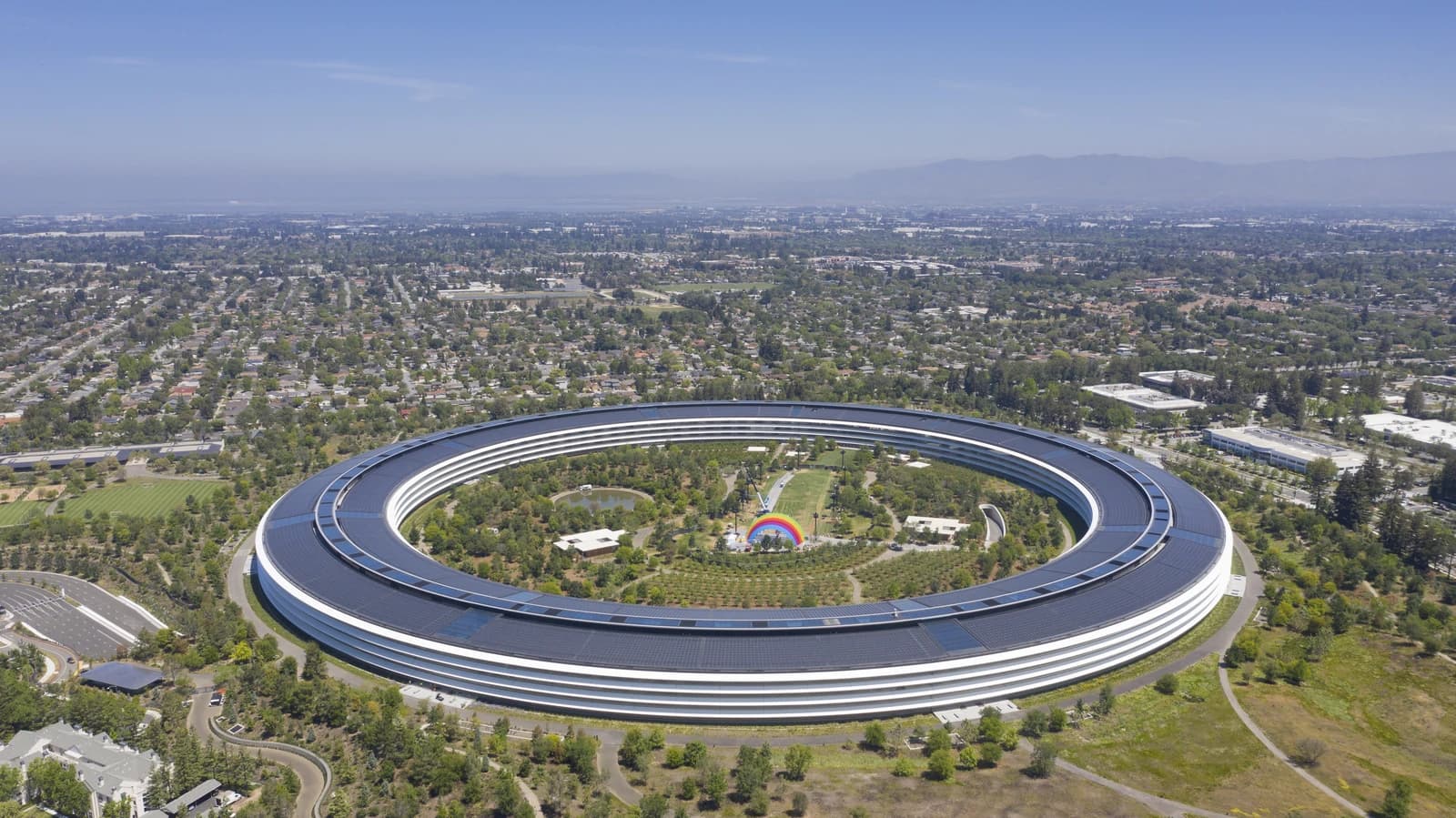
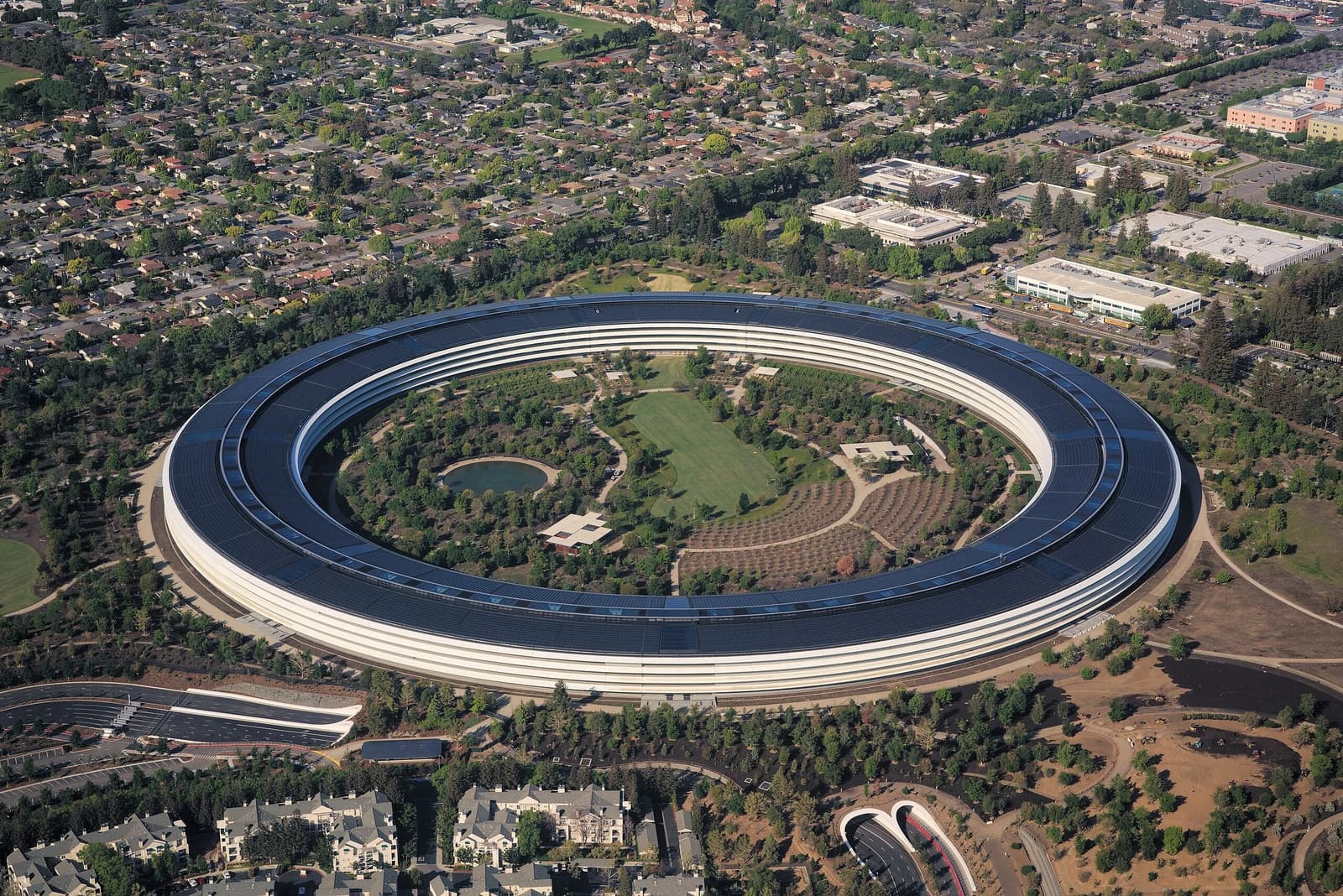
Apple is set to unveil its iPhone 17 lineup on Sept. 9, with investors watching to see whether the company can turn a new hardware cycle into enough growth to justify a stock that has already climbed to within reach of fresh highs.
Apple iPhone 17 launch on Sept. 9

That makes the launch economically important well beyond Cupertino. Apple remains one of the world’s biggest consumer-tech spenders, supply-chain anchors and profit engines, and a strong reception for the new phones would ripple through component makers, contract manufacturers and carriers while easing some of the pressure on the company’s core hardware franchise.
The product event comes as Apple shares have recovered to $319.97, after trading as high as $328.21 earlier in the week, leaving the stock above its 200-day moving average of $283.44 and near the upper end of its recent range. The 50-day moving average at $314.99 and RSI readings in the low 60s suggest momentum has improved, but the stock is no longer cheap on expectations alone.
For investors, the key question is whether Apple can show that innovation still drives upgrade demand in a market where consumers have grown more cautious and competitors have leaned hard into artificial intelligence features. Apple’s latest filings also underscore the stakes: management has warned that higher spending on products and services may not deliver expected returns, while price increases may not be enough to offset pressure on revenue and margins.
The launch also has broader market implications for Microsoft and Alphabet, whose shares have been buoyed by AI enthusiasm but remain tied to the same high bar for product execution. Microsoft closed at $499.70 and Alphabet at $338.46, both well above their 200-day averages, but Apple’s event is the clearest test this week of whether a large company can still win investors with a genuinely new consumer product story rather than just cost control or AI messaging.
If Apple’s new devices land well, suppliers and accessory makers could see the strongest near-term benefit, while the risk falls on Android rivals and short-term traders betting on a muted refresh cycle. The next catalyst is the Sept. 9 presentation itself, followed by early preorder data and any sign that Apple has found a way to make its biggest product line matter again.
| Entity | Gains | Losses |
|---|---|---|
| Apple | ▲Upgrade demand, revenue mix | ▼Margin pressure if launch disappoints |
| Suppliers and assemblers | ▲Higher component orders | ▼Weak volumes if demand is soft |
| Consumers upgrading | ▲New hardware and features | ▼Higher prices if Apple lifts ASPs |
| Android rivals | ▲— | ▼Share gains if iPhone cycle underwhelms |