Apple is raising iPhone prices in Japan by about 10%, and that is a bigger signal than a single regional price adjustment: it shows how the combination of a weak yen and surging memory-chip costs is feeding through to consumer electronics just as the market enters a more inflationary hardware cycle.
Apple Japan Price Hike Signals Margin Pressure

For investors, the message is straightforward. The era of easy margin expansion from cheaper components is getting harder to defend. Apple can still pass through some of the pressure on premium models, but every price increase risks slowing unit demand in a market that already rewards value and punishes overreach. The same dynamic is showing up across the semiconductor supply chain, where memory pricing is rebounding sharply and suppliers are regaining leverage.
Sentiment IndicatorsⓘProprietary · adalytica.com · July 18, 2026
This is a snapshot — live sentiment, awareness and momentum for 130+ markets update continuously in the dashboard.Open AlphaPulse
Apple’s own filings have warned that supply constraints and rising costs for NAND and DRAM could intensify, and the Japan business already shows how exchange rates can distort results. A weaker yen makes imported hardware more expensive in local currency terms, while a memory shortage raises bill-of-materials costs at the exact moment Apple is trying to hold the line on premium positioning. That is why the move matters beyond Japan: it is a test case for whether Apple’s pricing power still offsets macro pressure.
The stock market is already telling you where the opportunity sits. Apple has recovered sharply and is trading well above its 50-day and 200-day moving averages, with momentum readings stretched after a powerful run. That makes the next leg less about product hype and more about whether the company can preserve demand while protecting gross margins. If it can, the stock deserves a premium. If not, the market will eventually reprice the growth story.
The deeper trade is in the suppliers. Micron, Taiwan Semiconductor and other chipmakers stand to benefit from the memory upcycle and the broader capex buildout tied to advanced devices and AI hardware. Micron’s recent price action has been explosive, but the fundamental setup still points to tight supply and improving pricing power. That is where the asymmetric upside lies: not in betting that consumers happily absorb higher iPhone prices, but in owning the toll roads of the hardware stack that profit from scarcity.
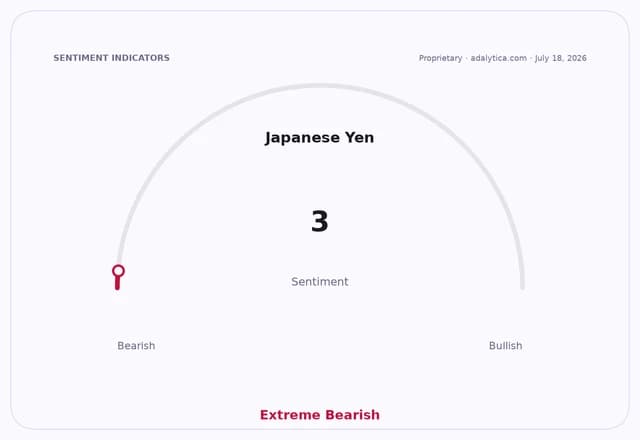
Japan also matters as a macro signal. The yen’s weakness is not just a foreign-exchange footnote; it is a tax on imported technology and a reminder that global price discipline is breaking down in pockets of the consumer economy. Adalytica’s Japanese yen signals show extreme fear, underscoring how fragile the currency backdrop remains. If that persists, Apple may not be alone in lifting prices, and premium electronics demand could become more uneven across regions.
The actionable takeaway is to treat Apple’s Japan price hike as an early warning, not an isolated event. I believe the better trade is to stay selective on Apple while leaning into the semiconductor and AI-infrastructure names that benefit from higher component prices, tighter supply, and continued capex intensity.
| Entity | Gains | Losses |
|---|---|---|
| Micron | ▲Higher DRAM prices | ▼None near-term |
| TSMC | ▲Advanced-chip demand | ▼Margin pressure from capex |
| Apple | ▲Some margin protection | ▼Risk of softer unit demand |
| Japanese consumers | ▲None | ▼Higher iPhone prices |