Apple’s planned U.S. device leasing program could make it easier for customers to upgrade more often, a move that matters because it turns a lumpier hardware purchase into a steadier subscription-like revenue stream and may help cushion demand if consumers become more price sensitive.
Apple Leasing Could Boost Upgrades
Set to launch July 28 as Apple Upgrade, the program will let U.S. customers lease iPhones and other non-entry-level devices through monthly payments, with the option to upgrade early, return the device or keep it at the end of the term. The deal with Klarna gives Apple a financing partner already embedded in consumer credit and buy-now-pay-later infrastructure, reducing the friction of rolling out a more flexible ownership model at scale.
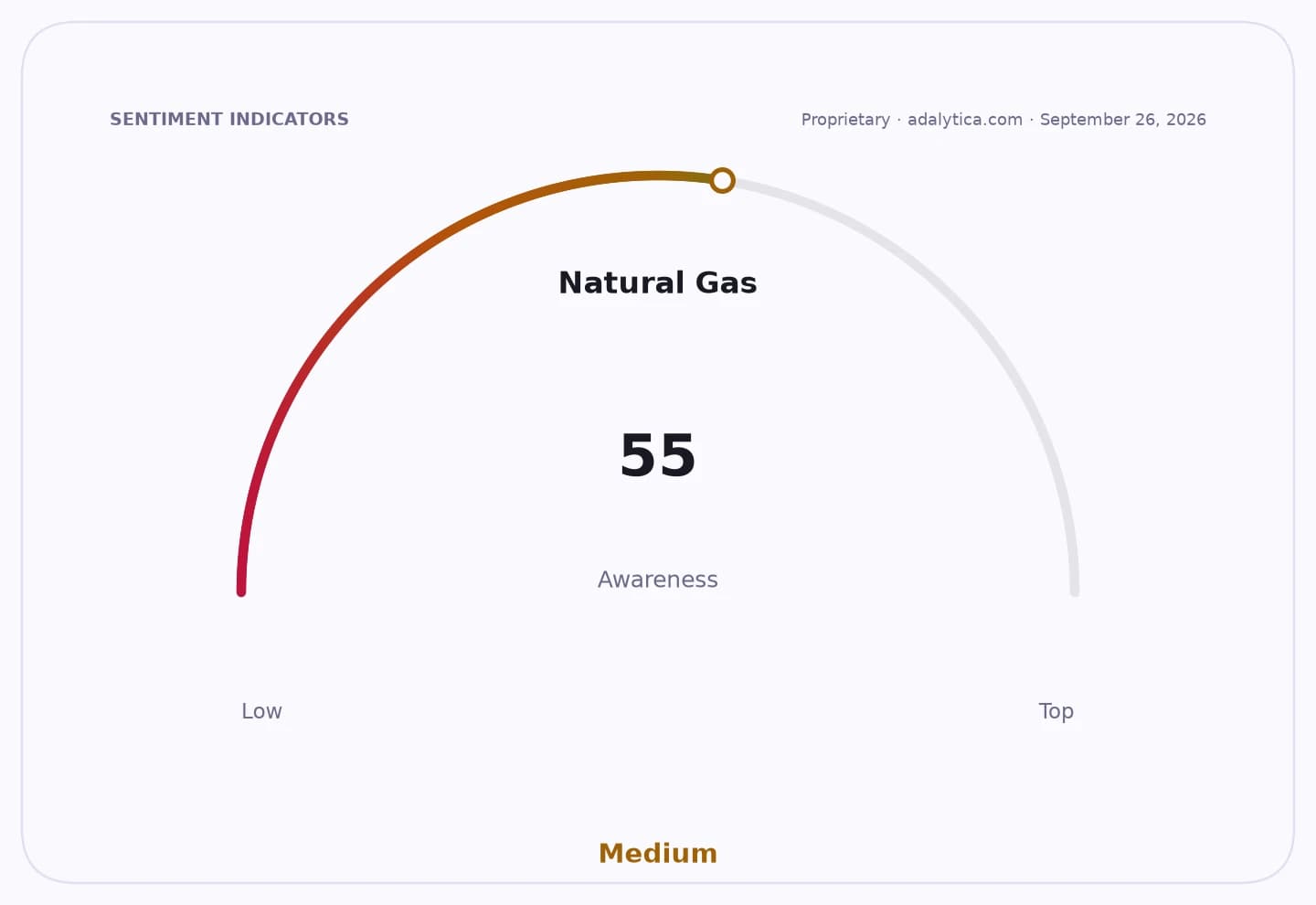
Sentiment IndicatorsⓘProprietary · adalytica.com · July 23, 2026
This is a snapshot — live sentiment, awareness and momentum for 130+ markets update continuously in the dashboard.Open AlphaPulse
Economically, the timing is important. Apple is trying to defend device demand at a point when the broader consumer backdrop remains mixed and investors are watching whether the company can keep hardware cycles from becoming too dependent on one-off replacement bursts. Leasing can lower the upfront cost barrier, expanding the addressable market for premium devices and potentially supporting unit volumes even if households are wary of paying full price in cash.
For Apple, the appeal is not only higher conversion. A leasing structure can increase customer stickiness, because users who are already in a payment cycle may be more likely to stay inside the Apple ecosystem and roll into the next device. That matters strategically in a business where services growth and hardware retention reinforce each other. The bull case is that Apple improves upgrade frequency, broadens reach among budget-conscious buyers and smooths revenue visibility. The bear case is that leasing could compress margins at the device level, add financing complexity and simply pull forward demand without creating much incremental long-term growth.
The launch also fits a wider industry shift toward subscription and installment models, especially in premium consumer electronics where prices have risen and replacement cycles have lengthened. It may prove most attractive to customers who want the latest iPhone without the full upfront cost, while leaving Apple’s entry-level strategy largely unchanged by excluding lower-tier devices. That focus suggests Apple is protecting the prestige of its flagship products even as it experiments with a more flexible sales channel.
Shares in Apple have recently moved well above both the 50-day and 200-day moving averages, reflecting a market that has been willing to pay for the company’s installed base, pricing power and ecosystem resilience. But the stock’s strong run also raises the bar for execution. With the stock elevated and momentum readings already stretched in recent sessions, investors will be looking for evidence that leasing adds real incremental demand rather than simply reshuffling how customers pay.
The key question now is whether Apple Upgrade becomes a meaningful growth lever or just a financing feature. If adoption is strong, it could give Apple another tool to support device sales through a softer consumer cycle. If it underperforms, the initiative will still reinforce the company’s broader strategy: lock customers deeper into the ecosystem and make the next iPhone purchase feel less like a purchase than a subscription.
| Entity | Gains | Losses |
|---|---|---|
| Apple | ▲Higher upgrade cadence | ▼More financing complexity |
| U.S. consumers | ▲Lower upfront cost | ▼Ongoing payment commitment |
| Klarna | ▲More loan volume | ▼Credit risk exposure |
| Competitors | ▲Pressure to match flexibility | ▼Loss of premium share |