Apple said it will add clearer controls on Mac computers for artificial intelligence agents seeking broad access to user data, a move that underscores how quickly AI convenience is colliding with privacy and security concerns on the desktop.
Apple adds clearer Mac controls for AI agents

The change matters because Apple’s Mac platform is more permissive than iPhones and iPads: developers can already request “Full Disk Access” with user permission, a level of access that can expose messages, documents and other local data. Apple now says some developers have been using that feature in ways that could put users at risk, and it wants to require “very explicit user action” before granting the permission.
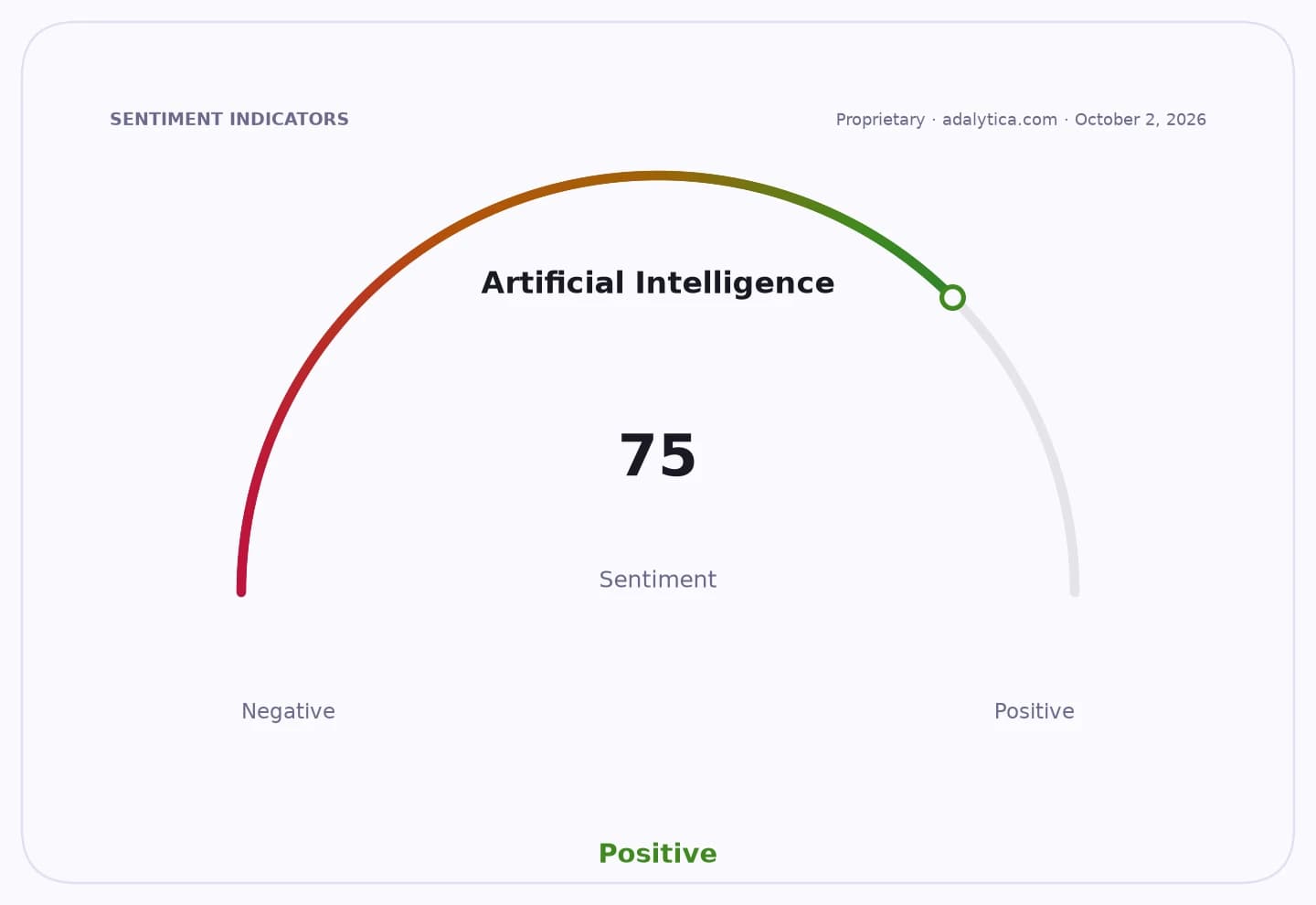
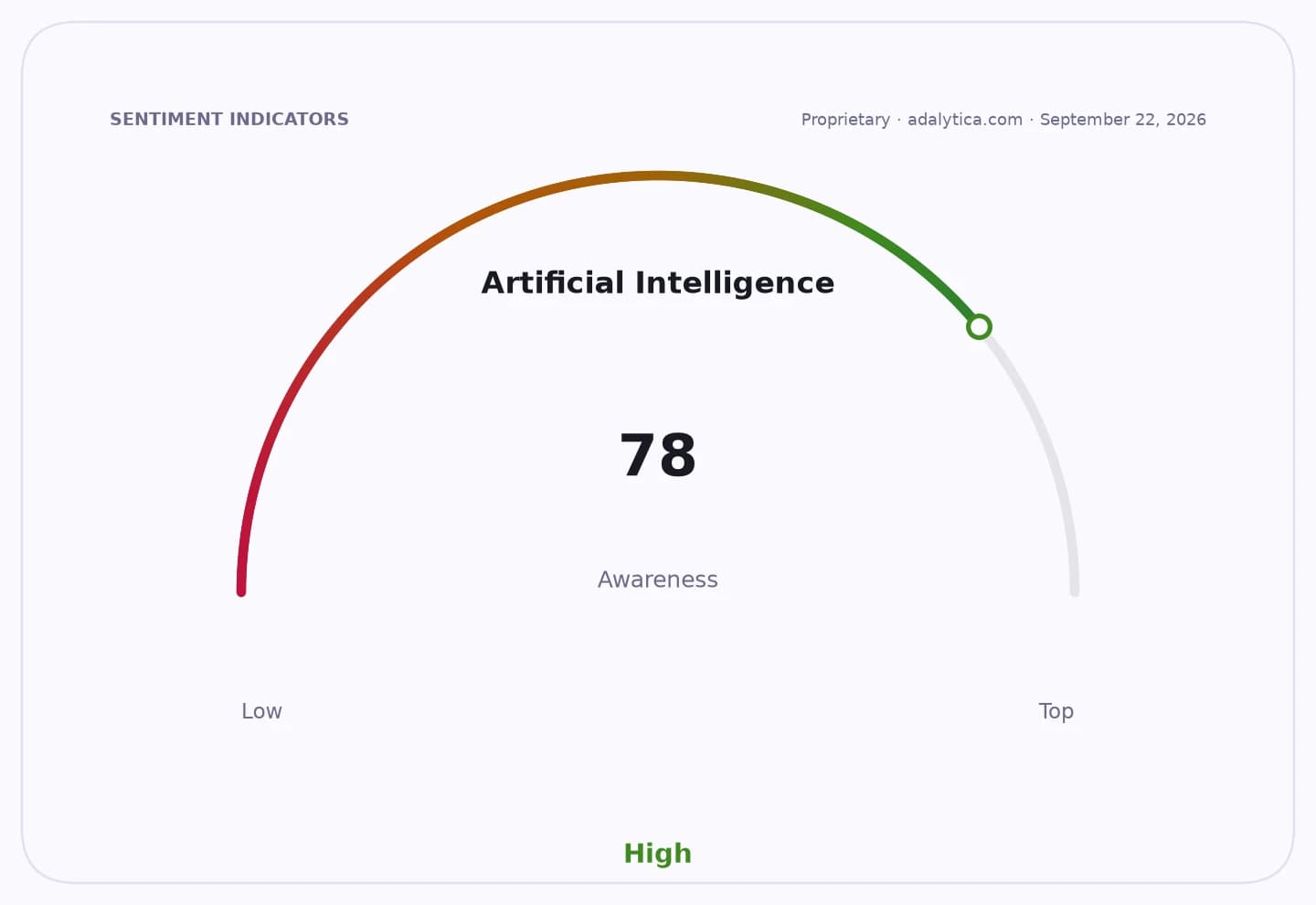
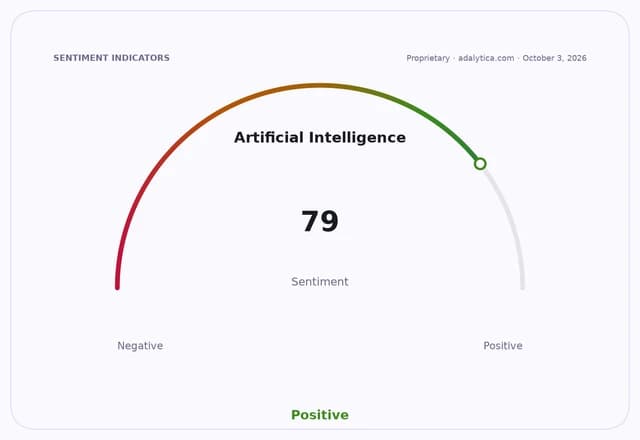
Sentiment IndicatorsⓘProprietary · adalytica.com · October 3, 2026
This is a snapshot — live sentiment, awareness and momentum for 130+ markets update continuously in the dashboard.Open AlphaPulse
The timing is important. The decision follows complaints over Meta’s Muse, an AI agent designed to carry out tasks such as canceling subscriptions or negotiating better prices. One technology columnist said Muse appeared to access private messages on a Mac, though Meta said the feature is strictly opt-in and requires both Full Disk Access and a Messages connector. Even if the specific dispute remains contested, the broader issue is clear: AI agents need deeper system privileges to be useful, but those same privileges create a larger attack surface for privacy leaks, misuse and regulatory scrutiny.
For Apple, the move is also consistent with a long-running product strategy. The company has built its consumer brand around tighter default protections on iPhone and iPad through sandboxing, while Macs have traditionally offered more flexibility for power users and enterprise workflows. By tightening the warning and consent flow on macOS rather than removing access altogether, Apple is trying to preserve that openness while reducing reputational risk as AI tools become more autonomous.
Investors should see this as part of a larger industry reset around AI permissions. The race to add “agentic” features is exposing a basic tension: the more capable the software, the more system-level access it needs, and the more likely it is to trigger complaints from users, app developers and regulators. That risk is already showing up across the sector, with companies warning in filings that AI can create legal, privacy and security liabilities.
For Apple, the financial impact is likely indirect rather than immediate, but still meaningful. A trust setback on the Mac platform could slow adoption of higher-value AI workflows, while stronger guardrails could help protect the ecosystem from a backlash that might otherwise hurt device sales and software engagement. For Meta, the episode highlights the scrutiny that will follow any consumer AI product that interacts with personal data.
The market has so far treated AI as a growth story; Apple’s change is a reminder that it is also becoming a governance story. The next battleground for AI may not be model performance, but who gets access to what data, under what permission, and with how much transparency.
| Entity | Gains | Losses |
|---|---|---|
| Apple | ▲Privacy credibility | ▼Less friction for AI features |
| Meta | ▲AI agent momentum if controls remain opt-in | ▼Reputational risk over user data access |
| Mac users | ▲Clearer consent prompts | ▼Extra steps for powerful workflows |
| AI developers | ▲Defined permission framework | ▼Easier access to broad system data |