Argentina’s abstention on a UN resolution condemning colonialism has sharpened a diplomatic contradiction at the heart of Javier Milei’s foreign policy: a government that still presses its claim to the Malvinas is now stepping back from a vote that explicitly reinforces the legal basis Buenos Aires uses to argue the islands are disputed territory.
Argentina abstains on UN colonialism resolution
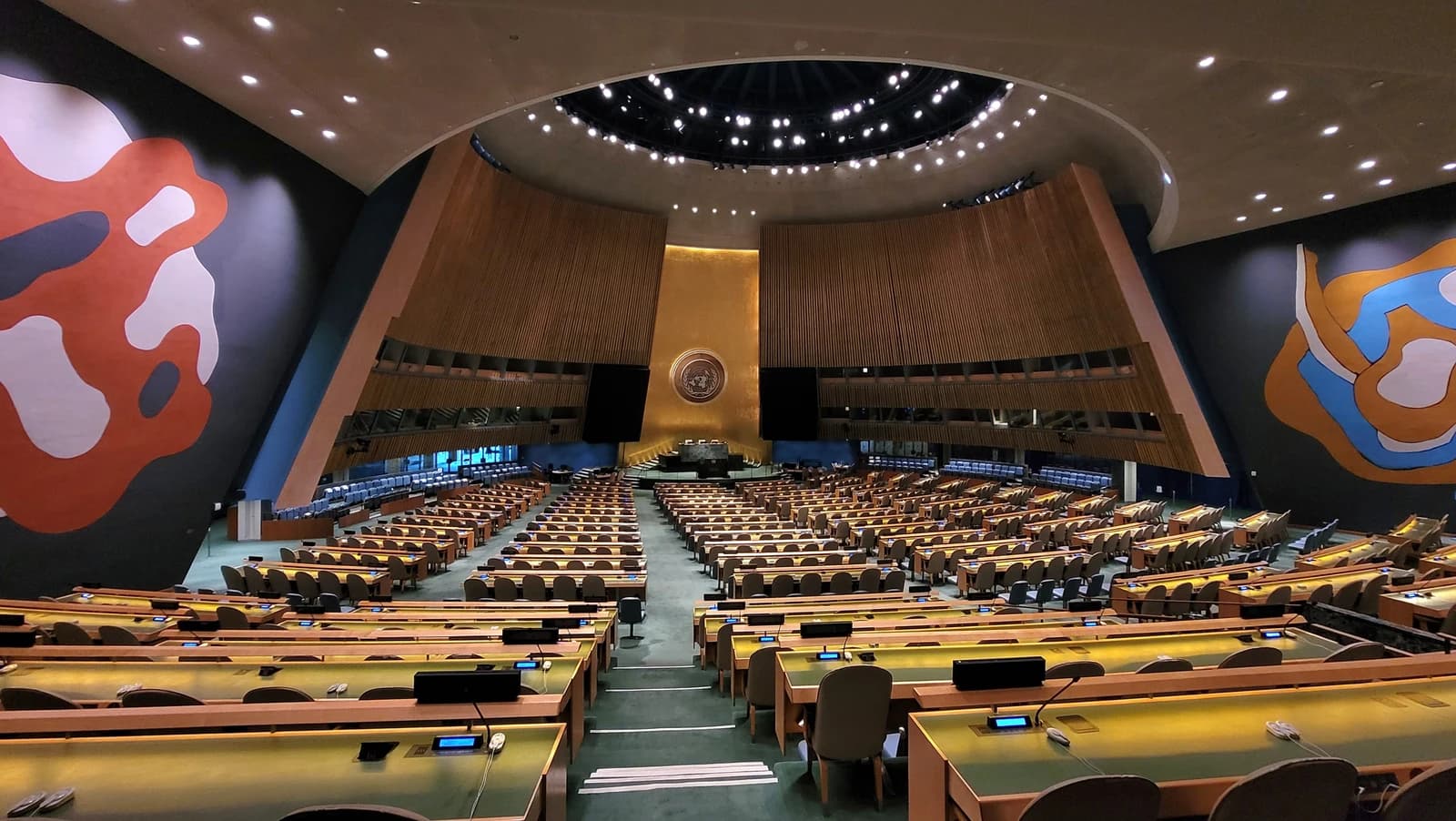
That matters because the resolution, approved in the UN General Assembly’s Fourth Committee by 85 votes to 49 with 23 abstentions, reaffirms the 1960 Declaration on the Granting of Independence to Colonial Countries and Peoples — the same framework Argentina relies on for UN Resolution 2065, which recognizes the sovereignty dispute and urges Britain to negotiate. By abstaining, Buenos Aires avoided backing language that underpins its own long-running claim at a moment when tensions with the UK are already rising over the Sea Lion oil project in the Falklands, which Argentina has taken to the International Tribunal for the Law of the Sea.
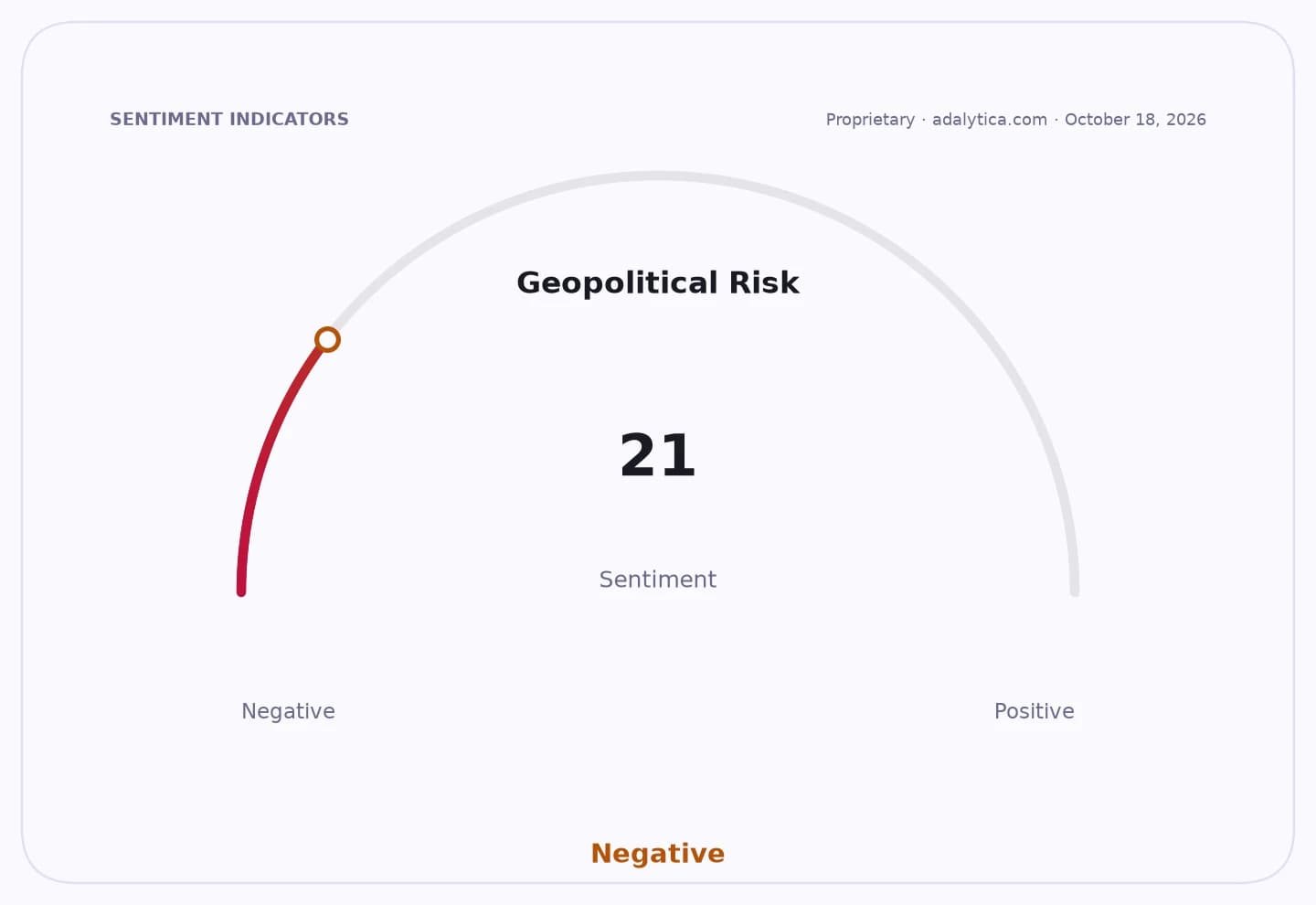
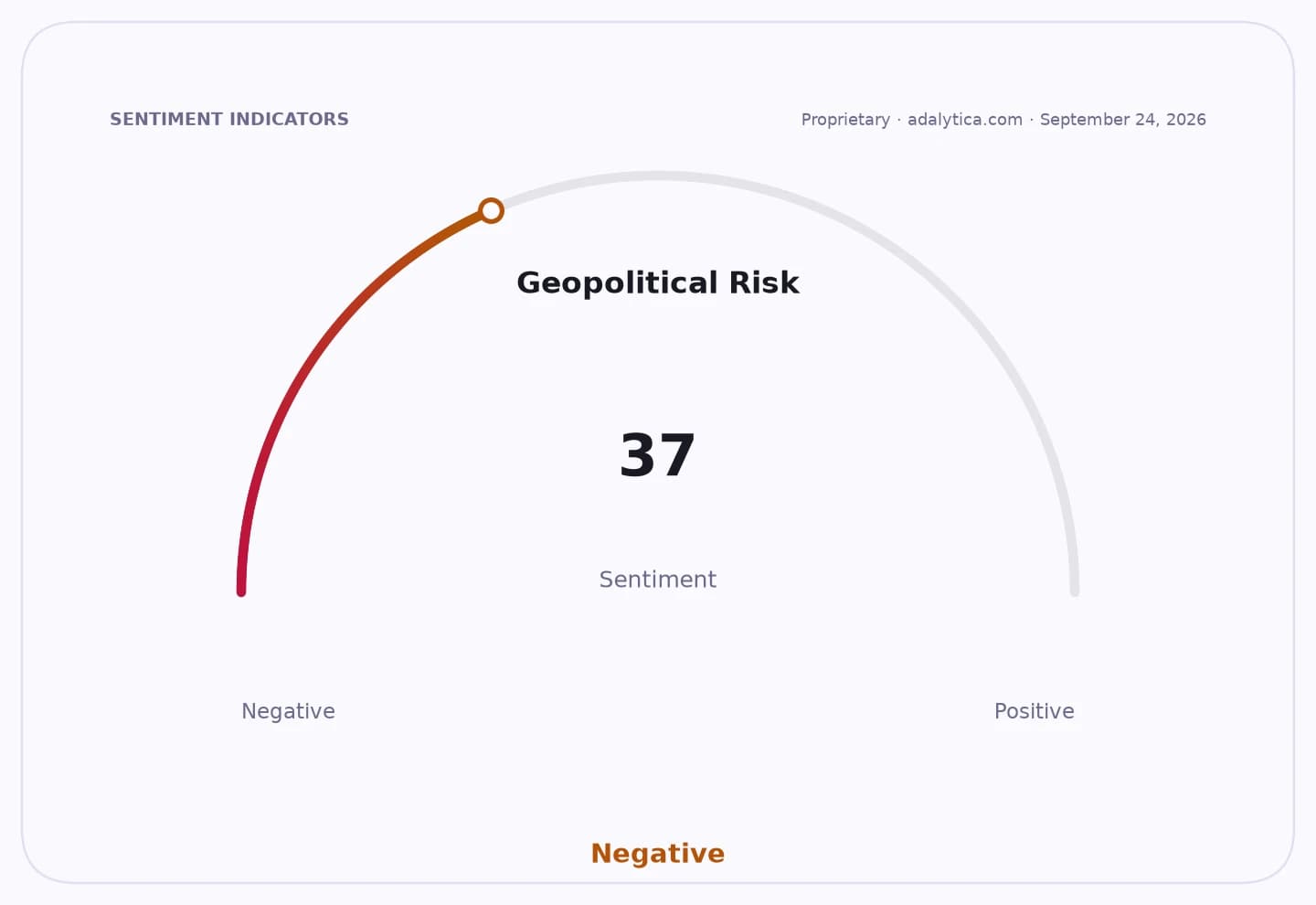
Sentiment IndicatorsⓘProprietary · adalytica.com · October 20, 2026
This is a snapshot — live sentiment, awareness and momentum for 130+ markets update continuously in the dashboard.Open AlphaPulse
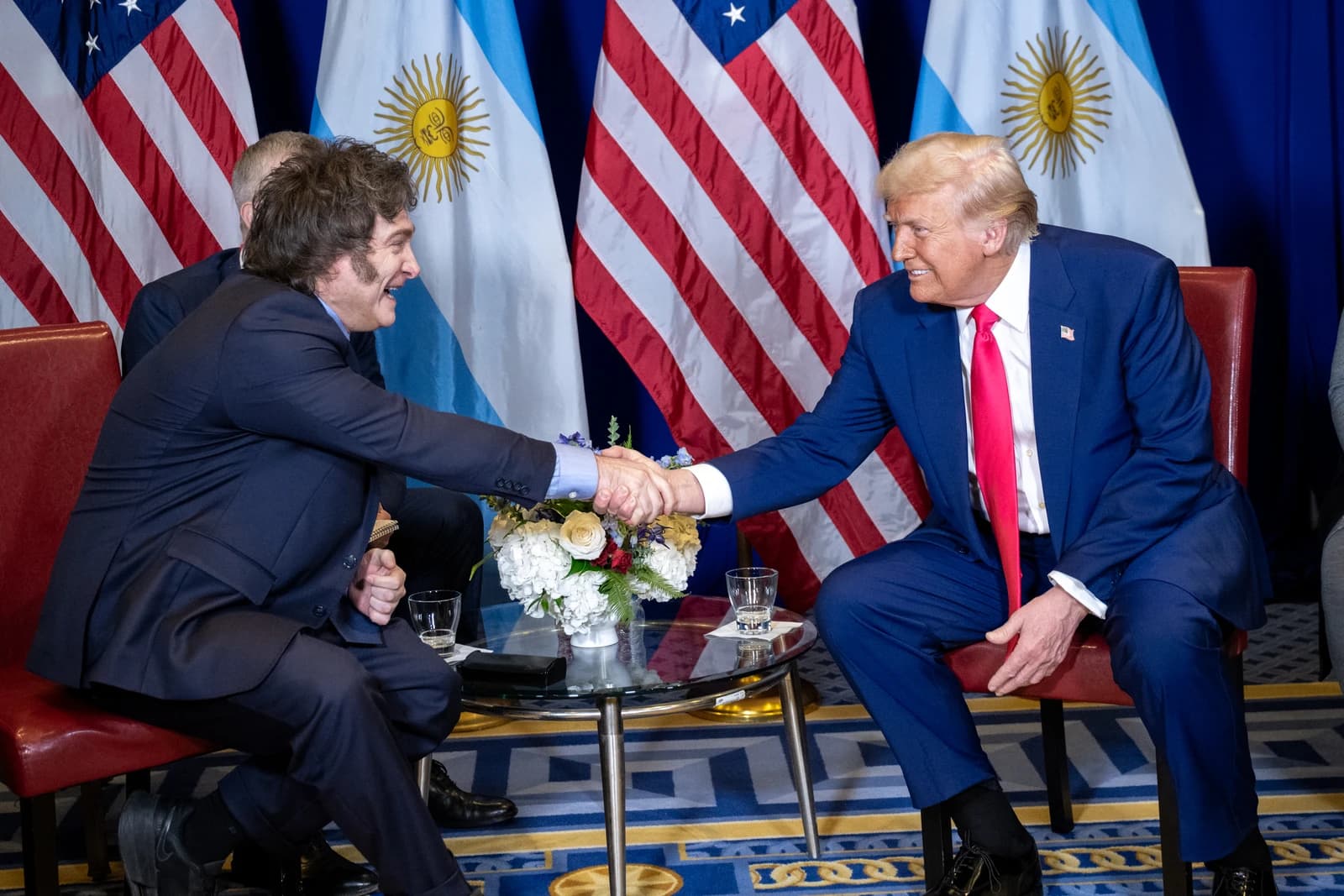
The move also deepens questions about the government’s alignment with Washington. The United States voted against the text, which also criticized unilateral sanctions as a modern form of colonialism. Milei has made his pro-U.S. orientation central to his international posture, but the cost is growing visible: Argentina is now being accused at home and abroad of weakening its Malvinas diplomacy to stay in step with Donald Trump’s camp. Opposition figures immediately seized on the abstention as a retreat from a principle Argentina had defended earlier this month.
That contrast is especially stark because the Argentine delegation told the same committee on Oct. 1 that it remained committed to the elimination of colonialism “in all its forms and manifestations” and described the South Atlantic islands as a “special and particular” colonial situation. The government has offered no public explanation for reversing course, leaving room for speculation that the decision was driven by geopolitical alignment rather than legal strategy.
For investors, the direct market impact is limited, but the broader implications are not. Argentina’s stance underscores a foreign policy built more on ideological signaling than institutional continuity, adding another layer of uncertainty to an already fragile country risk profile. That matters for sovereign credibility, for relations with key trade and financing partners, and for sectors exposed to maritime and energy disputes in the South Atlantic. The issue is also a reminder that Milei’s government, while often framed as pro-market, is willing to absorb diplomatic costs when they fit its geopolitical priorities.
On the local front, the episode adds to a climate of political volatility that can bleed into asset pricing through higher risk premiums, weaker policy predictability and recurring flareups with major counterparties. ARGT, the Argentina-focused exchange-traded fund, was down to $86.97 in late trading on Oct. 19, with its 50-day moving average below its 200-day average, a technical backdrop that reflects caution rather than conviction. More important than the chart is the policy signal: when a government softens its stance on a core sovereignty issue to maintain strategic alignment elsewhere, investors tend to demand a larger discount for governance risk.
The next test will be whether Buenos Aires follows the abstention with a more explicit explanation or whether it doubles down on the U.S. line. If the Sea Lion dispute escalates further, the Malvinas issue is likely to remain a flashpoint — not just in Argentine domestic politics, but in the country’s broader effort to project consistency to markets, allies and multilateral institutions.
| Entity | Gains | Losses |
|---|---|---|
| Milei government | ▲Alignment with Washington | ▼Credibility on Malvinas |
| United States | ▲Diplomatic support | ▼None directly |
| UK / Falklands operators | ▲Less unified UN pressure | ▼Renewed sovereignty dispute |
| Argentine opposition | ▲Political ammunition | ▼None directly |