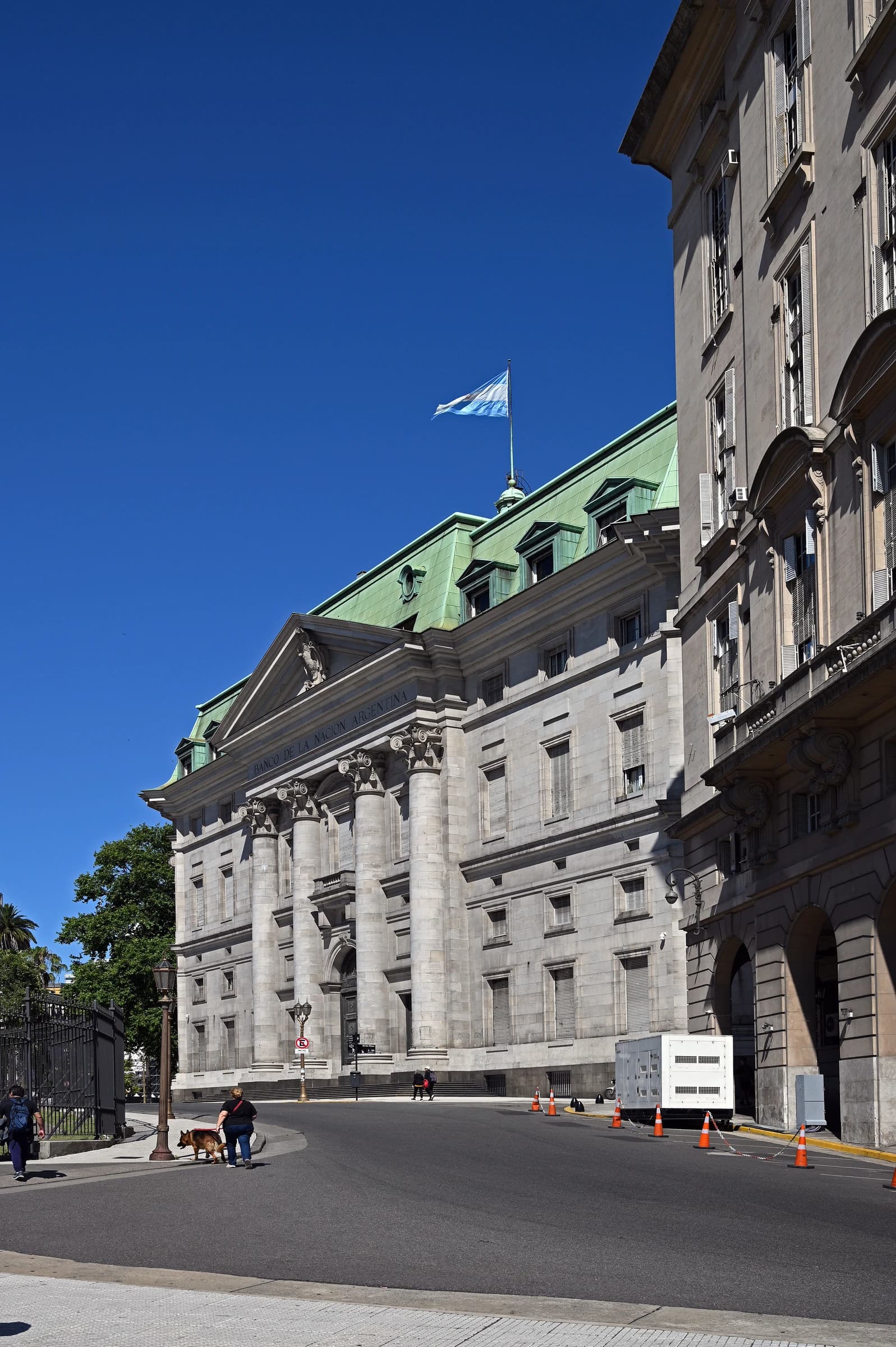
Argentina’s central bank is trying to recast dollar buying from a threat into a source of funding, arguing that 75% of the greenbacks bought by savers now stay in the country and help support banks, capital markets and domestic investment.
Argentina Central Bank Says More Dollars Stay Onshore
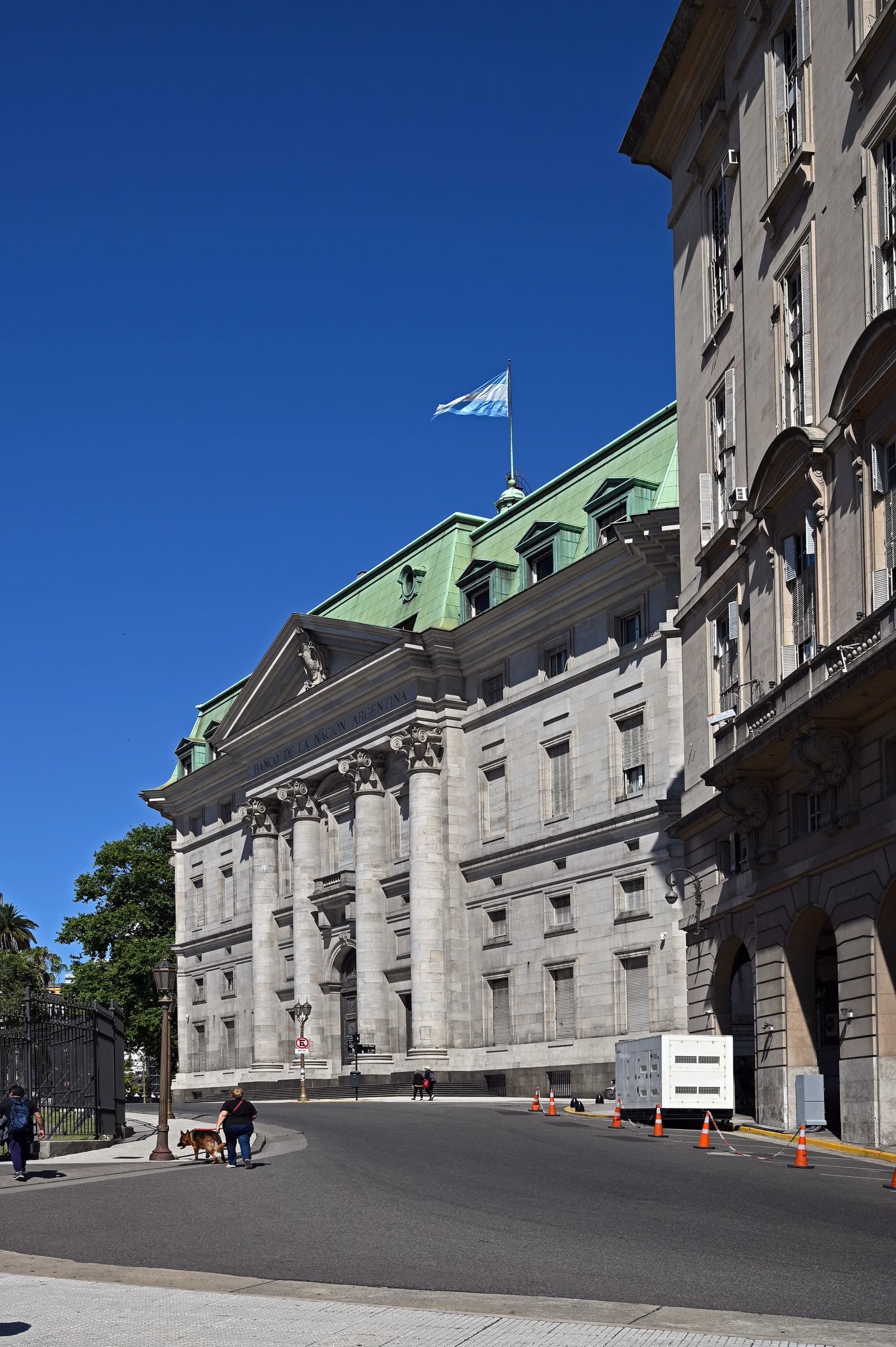
That matters because the old Argentine story was the opposite: households rushed into dollars, cash left the financial system and the country’s savings base shrank just when policymakers needed local funding the most. If the Banco Central de la República Argentina is right, the post-controls currency regime is doing something investors have long wanted to see — keeping more private savings inside the economy instead of exporting them into mattresses, offshore accounts or hard-currency hoards.
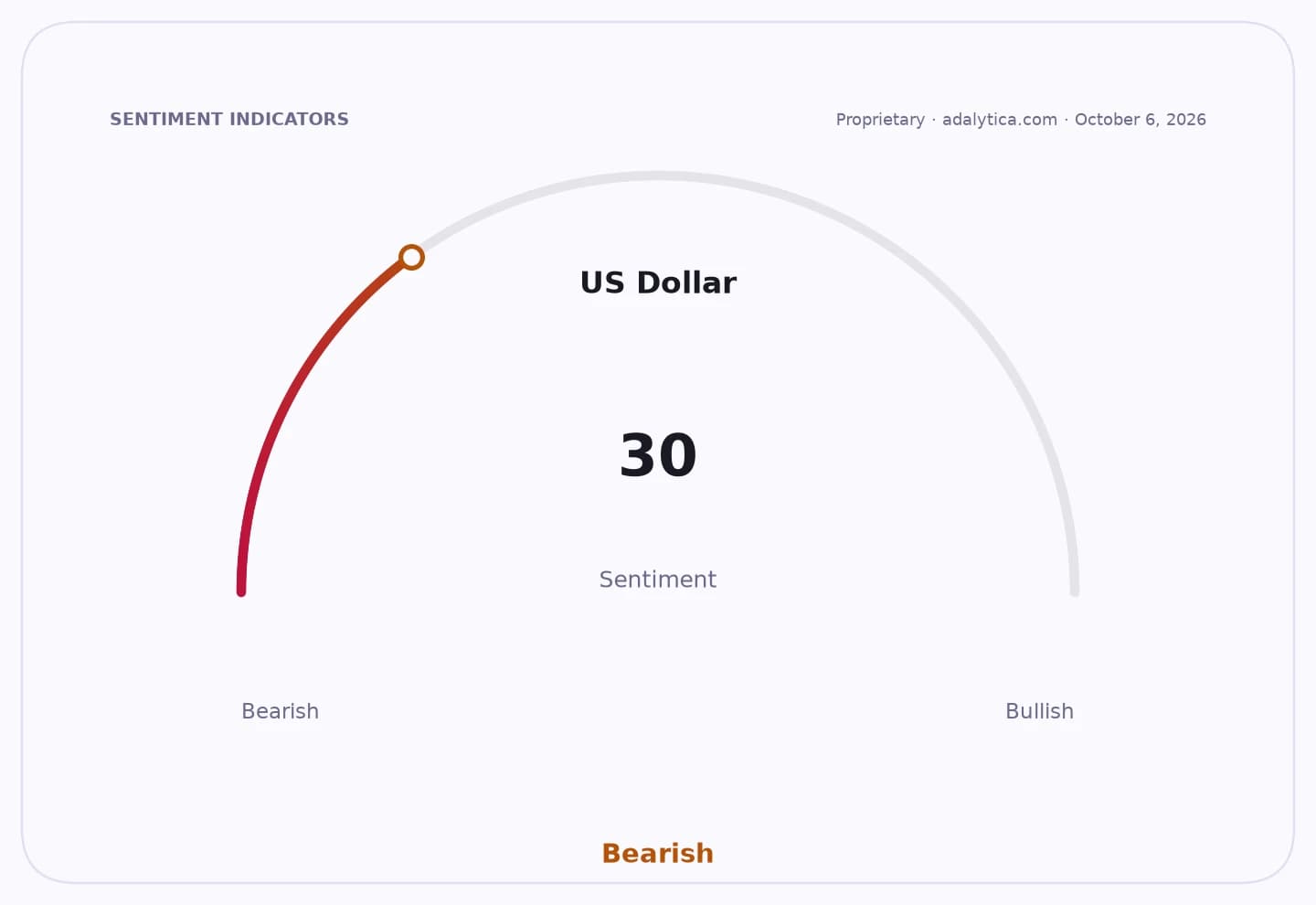
Sentiment IndicatorsⓘProprietary · adalytica.com · October 6, 2026
This is a snapshot — live sentiment, awareness and momentum for 130+ markets update continuously in the dashboard.Open AlphaPulse

Vice president Vladimir Werning said the share of official dollars bought by savers that remains in Argentina has risen from 50% a year ago to 75% today. The message is clear: after the lifting of capital controls, dollar demand is no longer being treated as an automatic destabilizer. Instead, the central bank says it is feeding bank liquidity and giving the local capital market more raw material for credit and investment.
For long-term investors, that is the real story. Argentina does not need more symbolic promises; it needs a financial system that can intermediate savings instead of leaking them. A larger domestic stock of deposits and dollar holdings can reduce stress on the exchange rate, deepen credit and give companies a better chance to finance inventories, working capital and expansion without leaning entirely on short-term, high-cost borrowing.
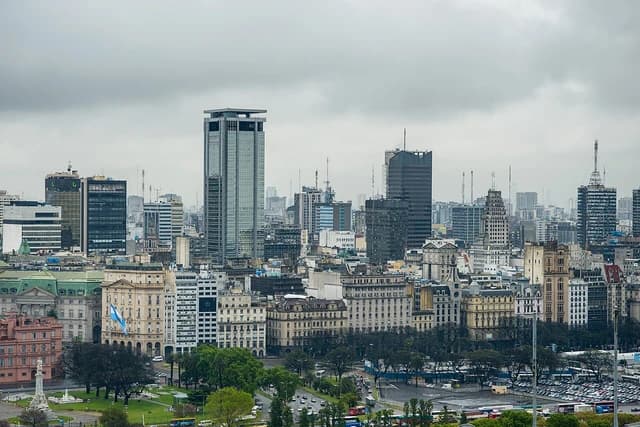
Werning also pushed back hard against one of the market’s biggest fears: the idea that Argentina is headed toward a default or a broader banking rescue. He said the central bank sees no need for subsidies, liquidity injections or bailouts for borrowers or lenders, arguing that would create moral hazard and encourage nonpayment. That is an important signal for investors because it suggests policymakers want to keep the financial system disciplined, even if that means allowing weaker borrowers to feel more pain before the cycle improves.
The credit numbers show why the central bank is keen to draw a line under the recent deterioration. Household delinquency approached 13%, while overall private-sector loan irregularity rose to 7.5% after the shock that followed the 2025 election. Still, the BCRA said 83% of individuals and companies remain current on their obligations, and that refinancing activity is rising while the number of bad loans is declining. In other words, the worst may be past — but the repair is still early.
There is also a more practical reason this matters for investors: the cost of credit in Argentina is still heavily distorted by taxes. Werning said levies such as VAT, gross receipts taxes, stamp taxes and municipal fees can account for about 30% of the total financing cost on some loans. That keeps lending expensive, especially for small and medium-sized businesses, and helps explain why many firms still prefer capital markets or self-funding whenever possible.
So the long-term investment takeaway is nuanced but constructive. If more dollar savings stay onshore, bad-loan formation stabilizes and policymakers avoid rescue-style interventions, Argentina’s financial system becomes more investable — not overnight, but gradually. That is the kind of change that can matter more than a single month’s market move. For patient investors, the country is still a high-risk story, but the central bank is making a case that the plumbing is slowly improving. Worth watching.
| Entity | Gains | Losses |
|---|---|---|
| Argentine banks | ▲More local funding | ▼Higher credit discipline |
| Savers holding dollars | ▲Better onshore access | ▼Lower policy rescue hopes |
| Small businesses | ▲Potentially deeper credit markets | ▼Heavy tax burden |
| Default fears | ▲Reduced immediate risk | ▼Less market panic premium |