Argentina’s Congress has approved a permanent disability benefits law after years of street protests forced President Javier Milei’s government to retreat from some of its deepest cuts, a politically important reversal that adds to fiscal pressure but may ease one of the most visible social flashpoints in the country.
Argentina Congress Approves Disability Benefits Law
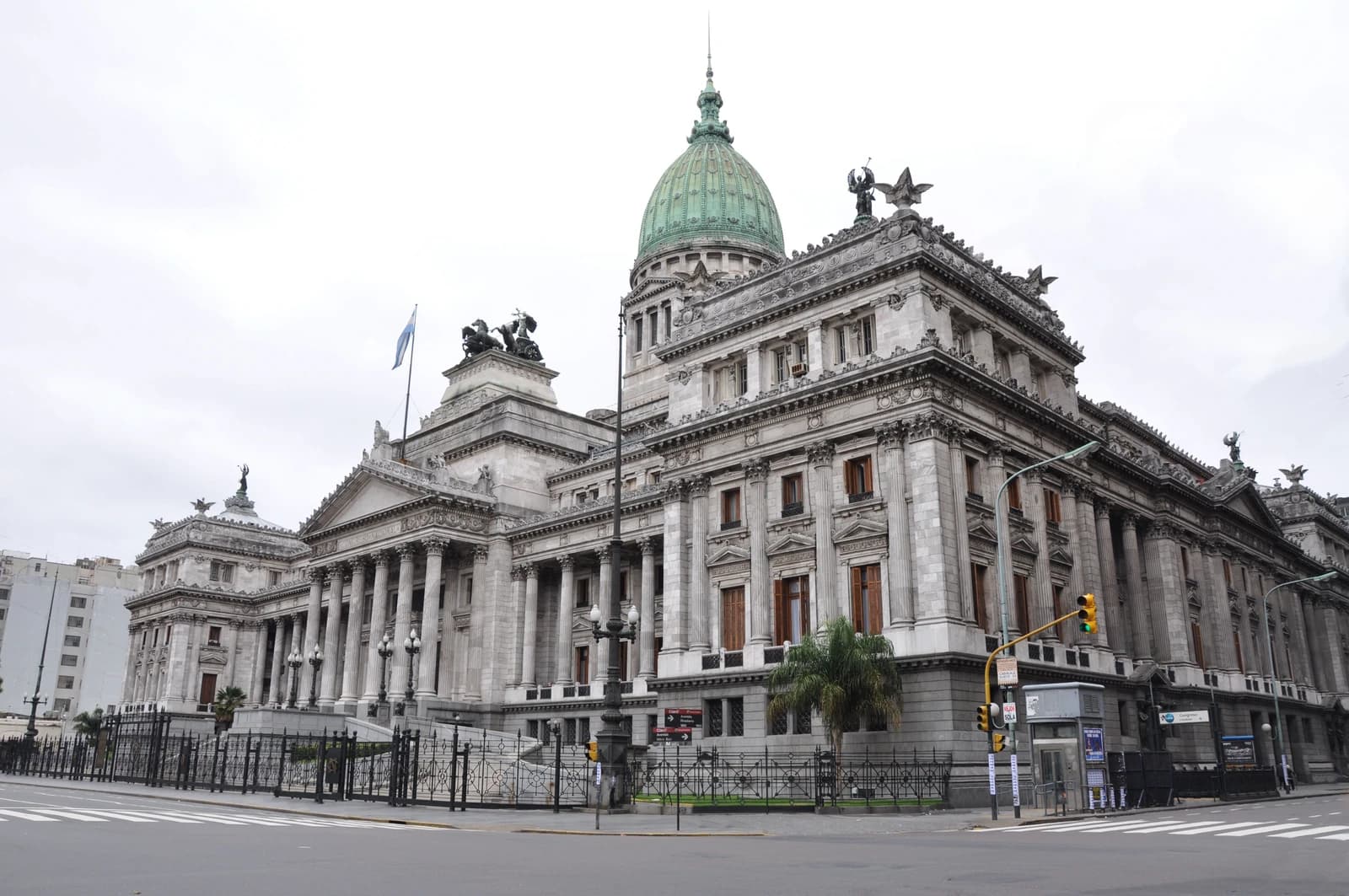
The Senate passed the measure 71-0 after the lower house had already backed it, underscoring how thoroughly the government was isolated on an issue that became a symbol of the social costs of Milei’s austerity drive. The law establishes a pension equal to 70% of the minimum retirement benefit, which works out to about $300 a month with bonuses — still below the roughly $348 an adult needed in October to avoid poverty, according to official data.
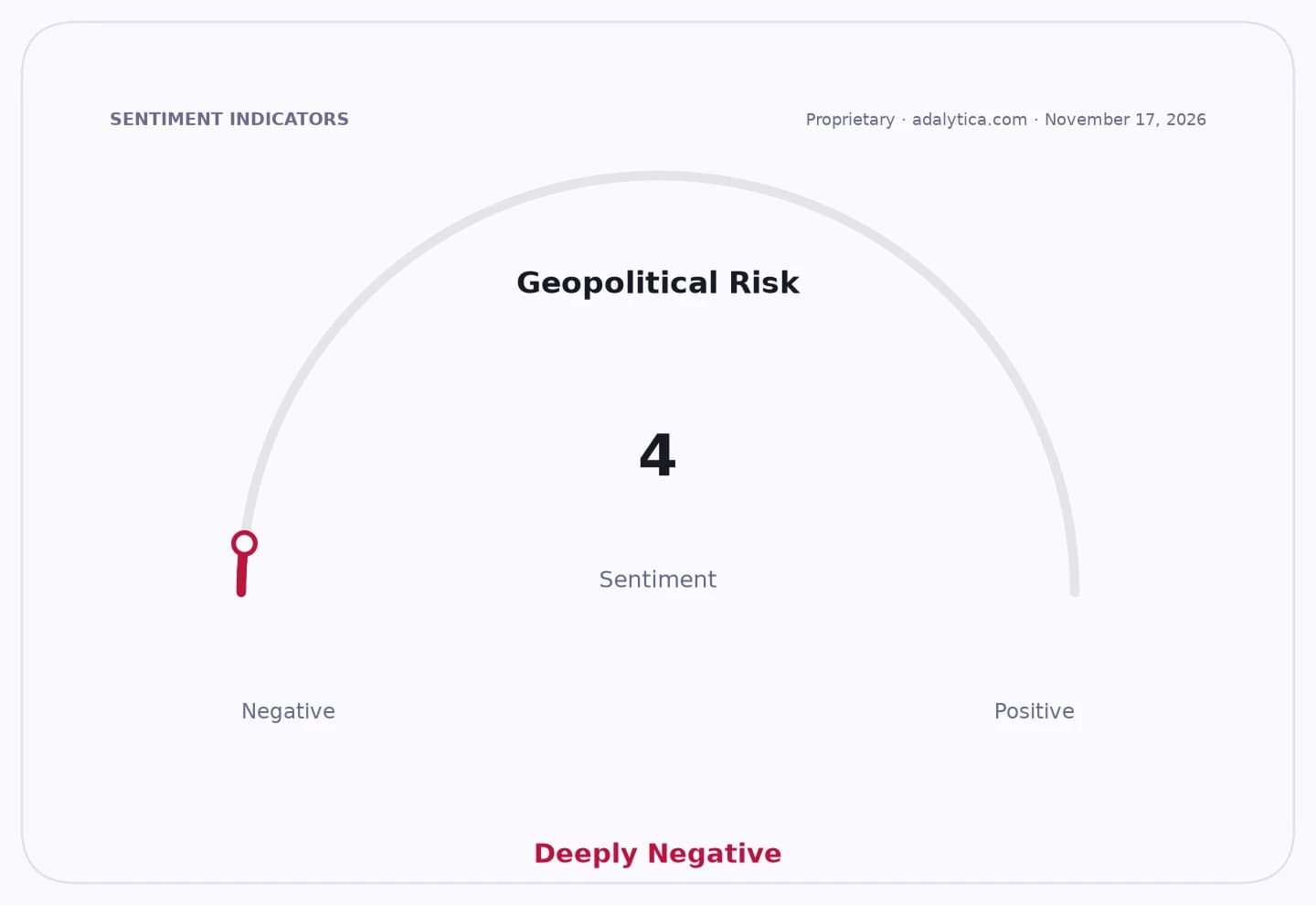
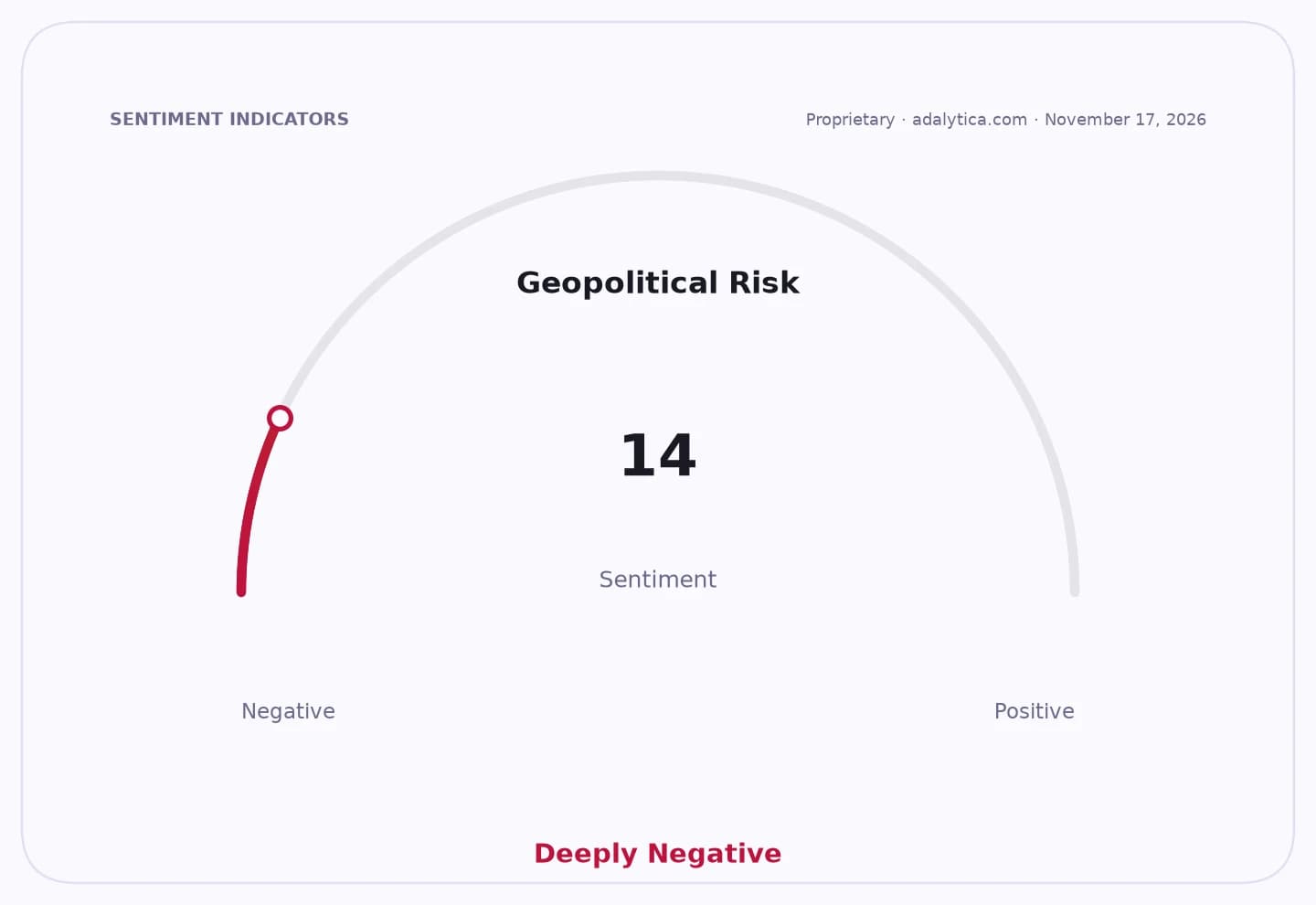
Sentiment Indicators

For investors, the bigger significance is not the size of the outlay alone but the precedent. Milei came to power promising a sharp reset of Argentina’s public finances, and disability spending became one of the most politically charged test cases of that program. The government has argued that pensions in the system swelled from 76,000 to 1.2 million between 2003 and 2023, justifying tighter audits and controls. But the broader political backlash — amplified by protests, church support and a corruption scandal around the disability agency — has now forced lawmakers to codify protections the administration had tried to veto, suspend or only partially implement.
The fiscal impact is likely manageable in macro terms, but the political signal is less so. CEPA, a local think tank, says real spending in the disability area has fallen 26% over the past three years. That helps explain why the sector became a focal point for opposition to Milei’s adjustment program and why the new law carries symbolic weight beyond the immediate budget line. It also suggests the government may find it harder to push further cuts in socially sensitive areas without triggering fresh legislative resistance.
The legislation allows recipients to work if earnings do not exceed two minimum wages, which gives it a more employment-friendly design than a simple cash transfer. But the key investor question is whether this marks an isolated concession or the start of a broader political rebalancing in which Congress constrains Milei’s fiscal agenda more frequently. That matters for sovereign risk, for confidence in the administration’s reform timetable and, indirectly, for Argentina’s local assets, which remain highly sensitive to any sign that the government’s austerity program is losing legislative support.
The vote also comes against a more complicated external backdrop. The Senate separately approved Argentina’s accession to the Patent Cooperation Treaty, part of a wider trade understanding with the United States that could help market access for companies and inventors. But that accord has not yet been sent to Congress for ratification, leaving the administration to manage two very different messages at once: one of openness to business and foreign investment, the other of forced retreat on social spending.
For now, the disability law suggests Milei can still win on macro stabilization, but only by absorbing political costs that are becoming harder to contain. Markets will watch whether the government treats this as a one-off concession or as a template for further compromises as it tries to preserve both fiscal credibility and legislative governability.
| Entity | Gains | Losses |
|---|---|---|
| Disability beneficiaries | ▲Higher pensions and protections | ▼Slower fiscal tightening |
| Milei government | ▲Short-term social pressure eases | ▼Fiscal room and policy control |
| Opposition and activists | ▲Political validation | ▼None material |
| Argentina bondholders/markets | ▲Reduced protest risk | ▼Higher spending precedent |