Argentina’s inflation has fallen sharply on paper, but households are still behaving as if prices are far from benign, and that gap is now the key economic story investors need to watch.
Argentina Disinflation Lifts Banks, Trust Still Lags
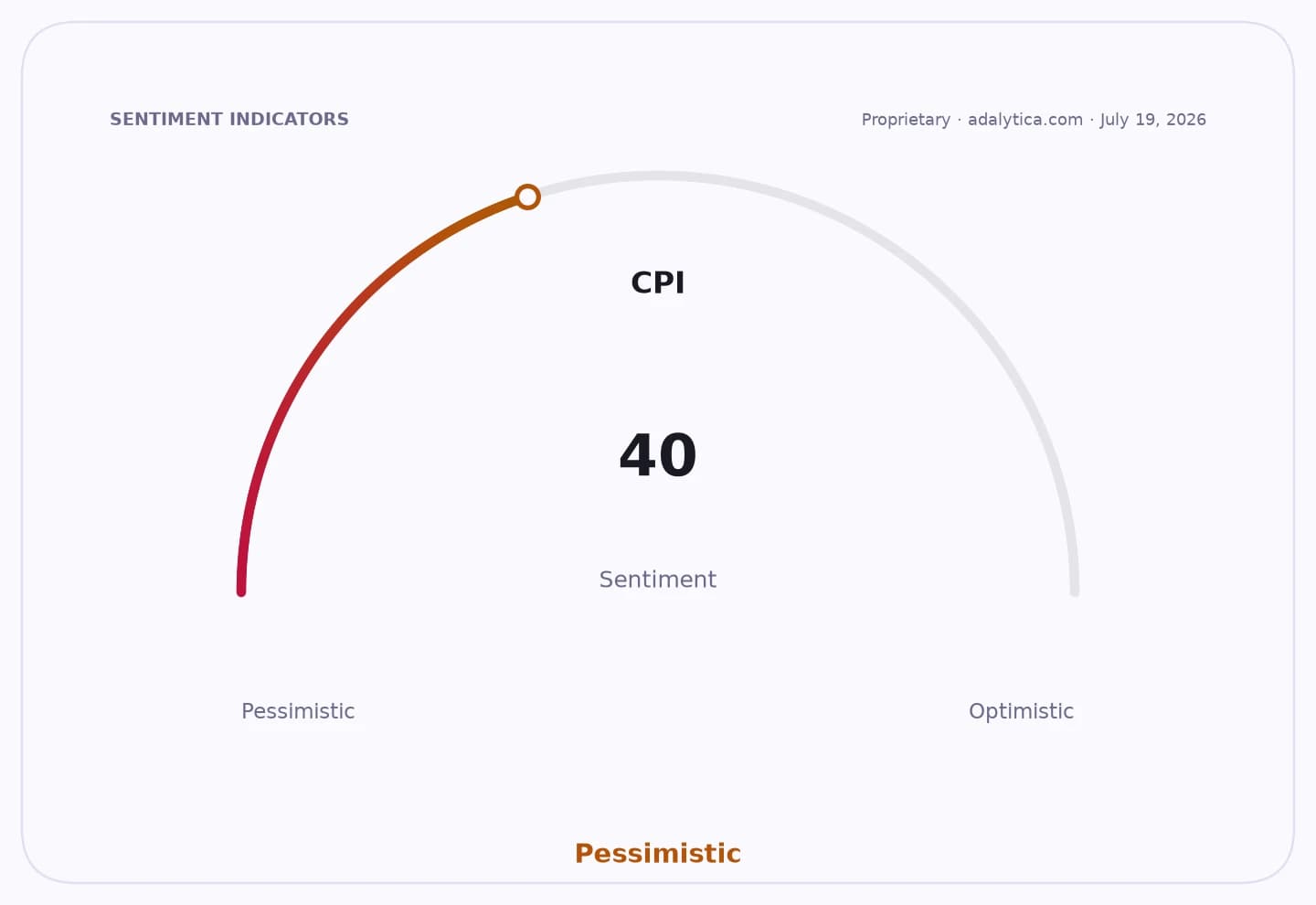
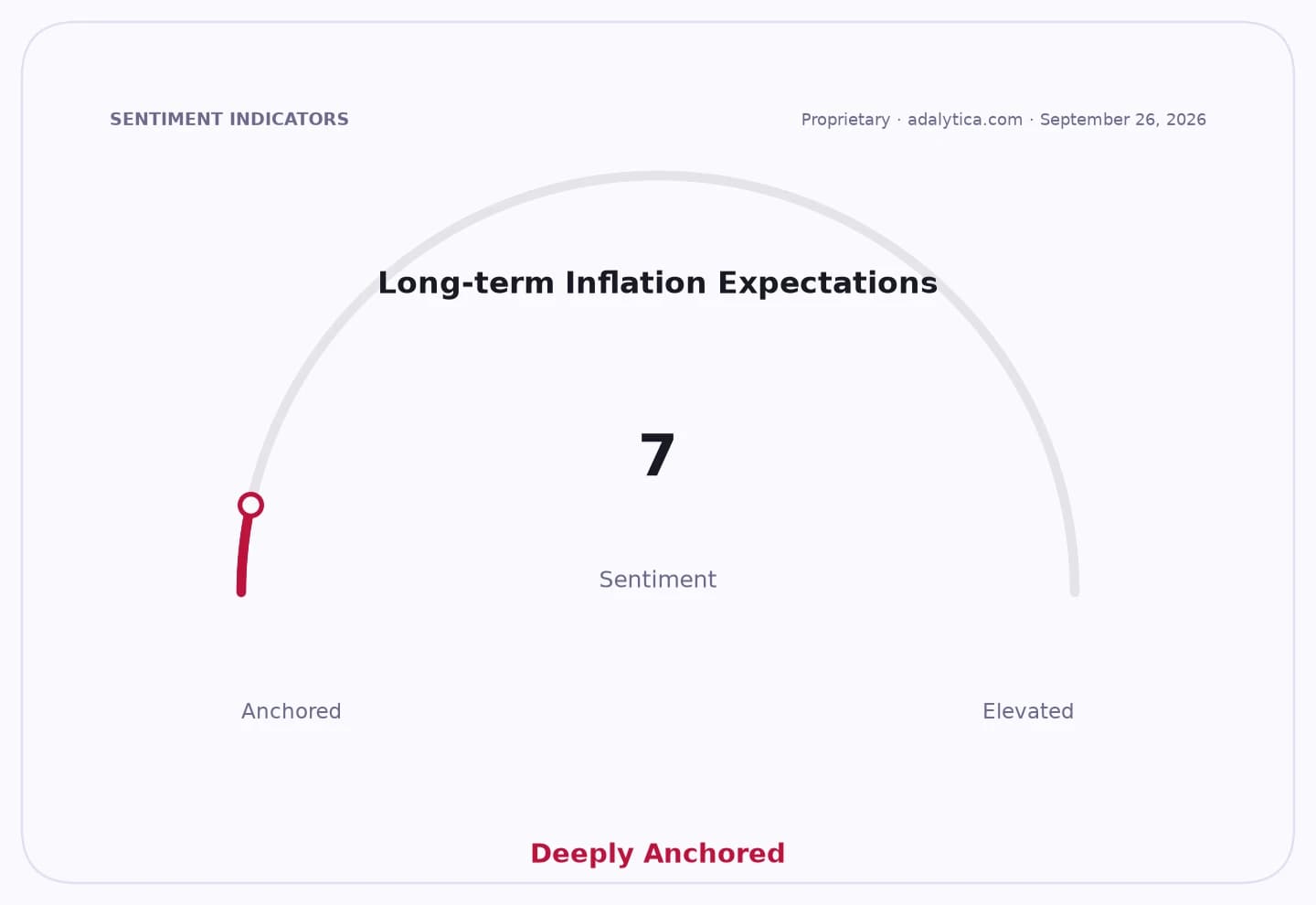
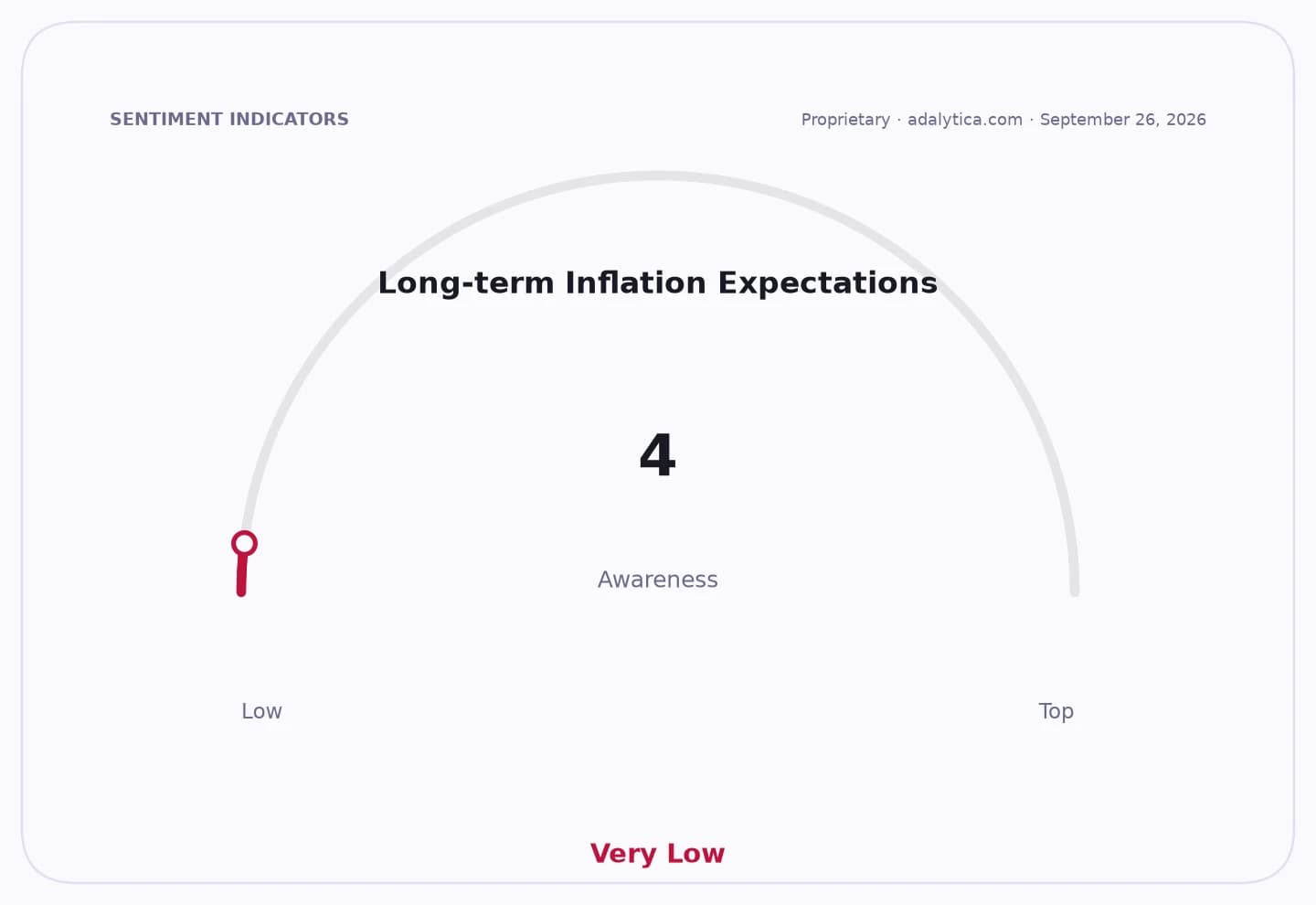
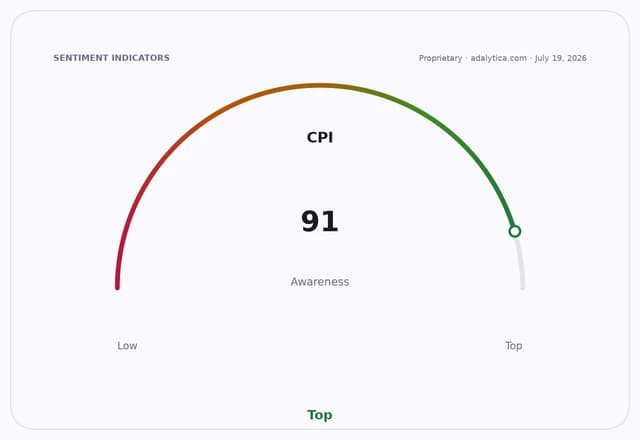
The latest read on U.S.-style CPI data in the context points to a much cooler inflation backdrop than the one Argentines lived through during the price shock, with headline inflation running at roughly 0.4% month over month in the most recent print and core inflation near flat. That is the kind of deceleration policymakers dream about. But sentiment tells a different story: Adalytica’s CPI sentiment is neutral, even as awareness sits at an extreme 91, a sign inflation remains psychologically dominant. In plain terms, the data is improving faster than the public’s confidence.
Sentiment IndicatorsⓘProprietary · adalytica.com · July 19, 2026
This is a snapshot — live sentiment, awareness and momentum for 130+ markets update continuously in the dashboard.Open AlphaPulse
That matters because inflation is not just a statistical series; it is a tax on trust. When consumers and businesses do not believe the slowdown, they keep raising precautionary prices, delaying spending, and demanding dollar protection. That keeps real money velocity distorted and leaves the economy vulnerable to uneven demand rather than a clean disinflation boom. For Argentina, where macro stabilization has been the central policy narrative, the gap between official inflation and lived inflation is the difference between a durable recovery and a fragile one.
The market is already signaling that investors are trying to price a stabilization trade, but not yet a full normalization. Banco BBVA Argentina, ticker BBAR, has rallied hard from the single digits to around $19.5, while still trading only modestly above its 50-day and 200-day moving averages. The stock’s earlier surge pushed its RSI into overbought territory and the MACD turned positive, classic signs of momentum chasing a macro turnaround. That is exactly why the next leg matters: if inflation continues to cool and confidence catches up, Argentine banks and domestic lenders could see a second phase of upside as credit demand, deposit stability and peso demand improve. If the public keeps doubting the data, the upside gets capped by persistent dollarization behavior and weak real activity.
That is also why investors should not confuse lower inflation with an easy consumer rebound. Adalytica’s consumer spending sentiment is still in extreme-greed territory, suggesting activity remains driven more by relief and opportunism than by genuine balance-sheet repair. In a country coming off repeated inflation shocks, consumers rush purchases when they believe prices will rise again, then retreat when income visibility weakens. That volatility can help retailers in bursts, but it is not the same as sustainable domestic demand.
The broader investment thesis is simple: Argentina’s disinflation is real enough to matter, but not yet trusted enough to fully re-rate the economy. That creates an asymmetric setup. If inflation expectations keep drifting lower, the winners are local banks, lenders, utilities and any company tied to a normalization in credit and domestic demand. If confidence slips again, the market will quickly rediscover the old playbook of dollar hedging and defensive positioning.
The trade, then, is not to chase the headline inflation number alone. It is to watch for confirmation that households finally believe it. When that happens, Argentina’s stabilization story can move from macro hope to investable reality.
| Entity | Gains | Losses |
|---|---|---|
| Argentine banks | ▲Lower funding stress | ▼Persistent dollarization |
| Local consumers | ▲Slower price increases | ▼Weak trust in policy |
| BBAR shareholders | ▲Re-rating on stabilization | ▼Momentum reversal risk |
| Cash hoarders | ▲Purchasing power preserved | ▼Missed equity upside |