Argentina’s President Javier Milei says he will build a naval base in Tierra del Fuego, a move that could deepen the country’s dispute with Britain over the Falkland Islands while also expanding logistics capacity at the southern tip of South America.
Argentina plans naval base in Tierra del Fuego
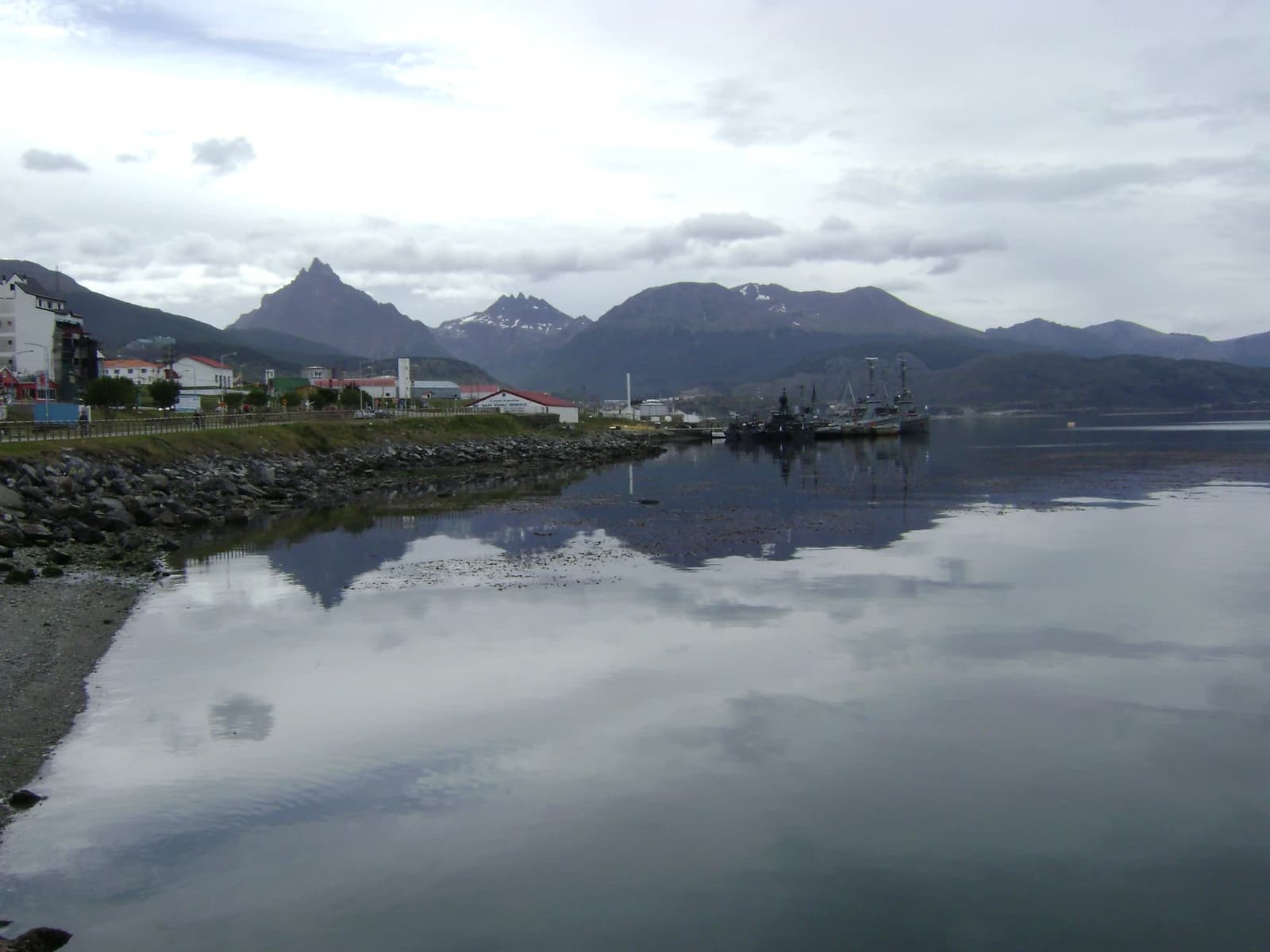
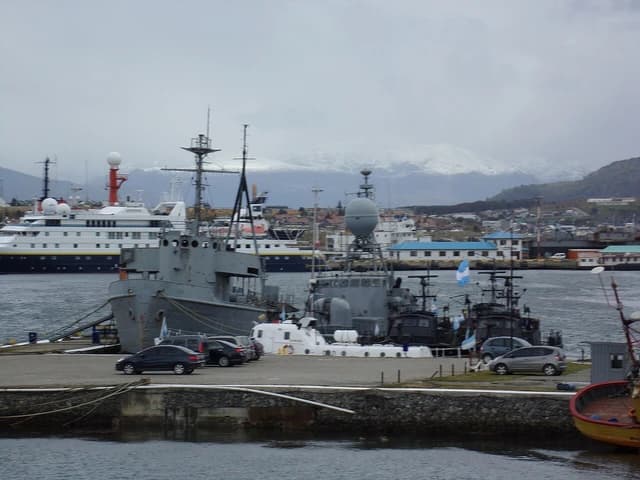
The planned base is the most important new development because it ties together defense spending, sovereignty politics and commercial access to the South Atlantic. Milei said the facility would strengthen telecommunications, serve as a logistics hub for the South Atlantic and Antarctica, and support repairs and services for commercial and cruise ships operating in the region.
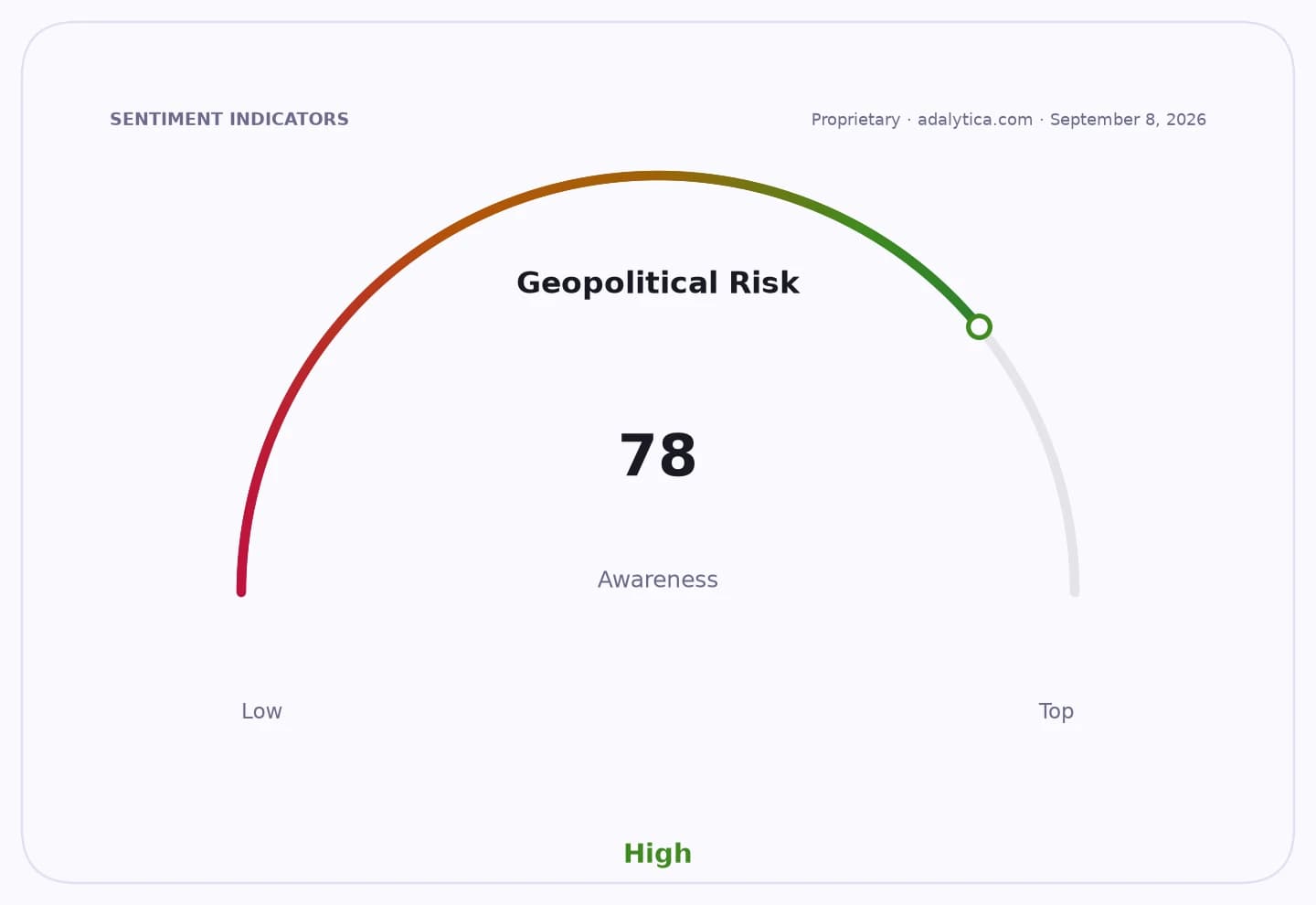
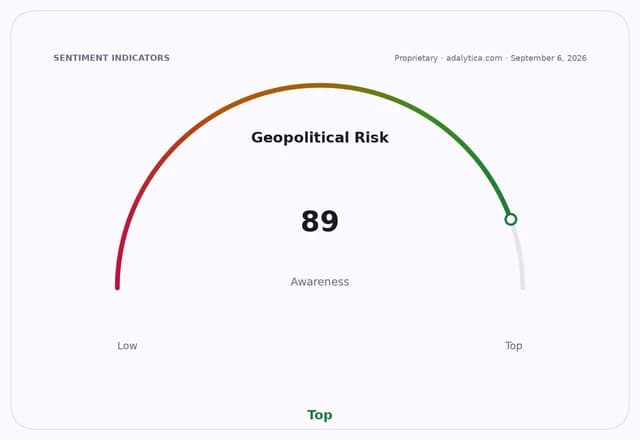
Sentiment IndicatorsⓘProprietary · adalytica.com · September 6, 2026
This is a snapshot — live sentiment, awareness and momentum for 130+ markets update continuously in the dashboard.Open AlphaPulse
For investors, the announcement matters because it raises the odds of more state spending on defense and port infrastructure while adding a geopolitical layer to Argentina’s already volatile policy mix. The project also reinforces Milei’s broader alignment with the US, after he previously signaled cooperation with Washington on a base in Tierra del Fuego in 2024.
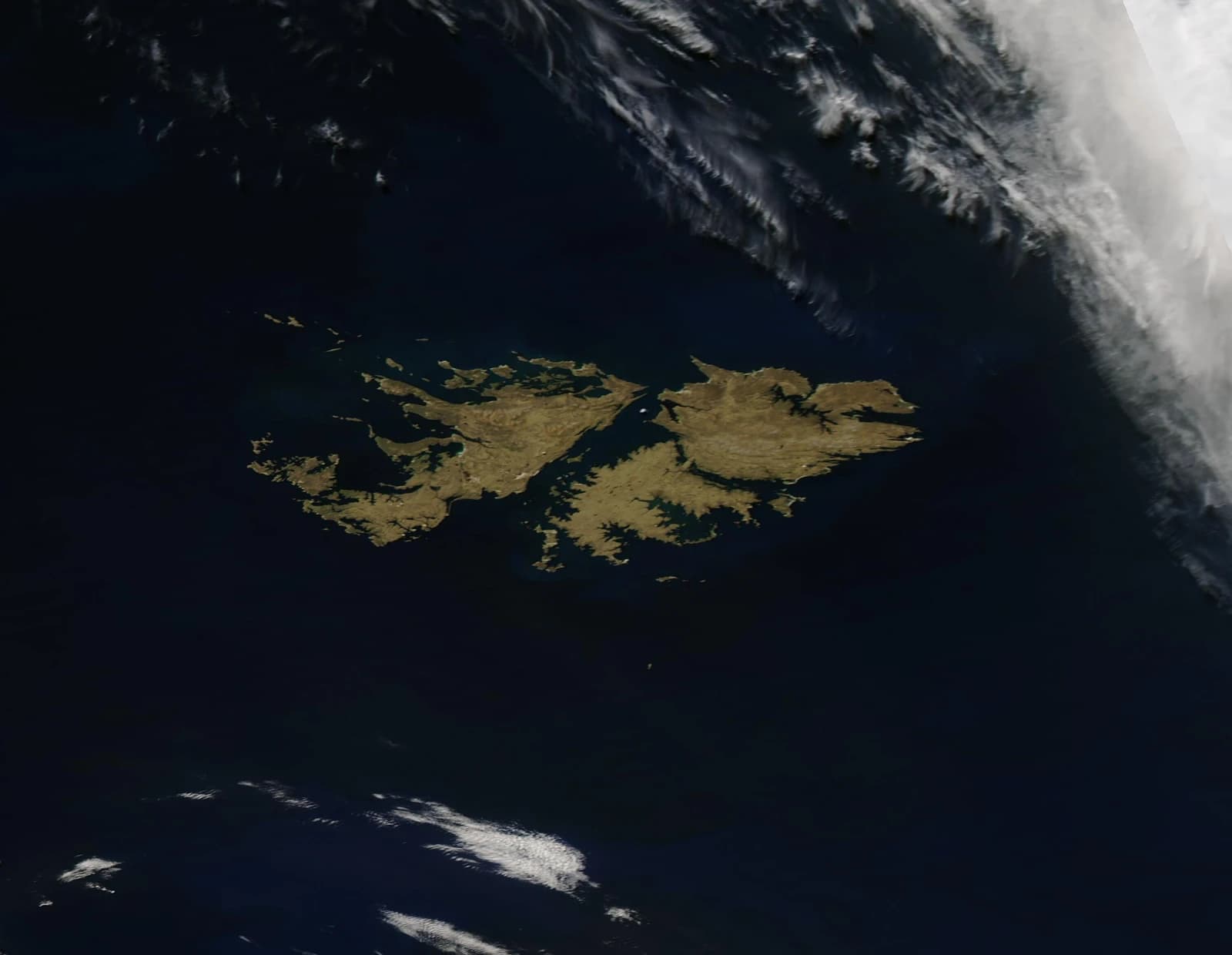
Milei framed the base as a “first step” toward what he calls a long-term diplomatic effort to recover the Falklands, known in Argentina as the Malvinas. He also said his government would move against companies involved in resource projects on the islands, including Navitas and Rockhopper, warning they could be barred from operating in Argentina if they develop assets there without Buenos Aires’ authorization.
That stance escalates a dispute that has long shaped Argentina’s defense and foreign policy and comes as Britain says its commitment to the islands is “absolute and inamovible.” London’s response underscored that the issue remains politically charged and unlikely to be resolved quickly, even as Argentina seeks to turn the South Atlantic and Antarctic route into a strategic and economic asset.
The announcement arrives as Milei continues to reshape Argentina’s external posture toward Washington and its regional security role. The next market focus will be whether the decree translates into actual budget allocations, procurement contracts and port work, or remains mainly a political signal in a country still grappling with fiscal constraints.
| Entity | Gains | Losses |
|---|---|---|
| Argentina government | ▲Defense leverage | ▼Fiscal room |
| Tierra del Fuego/Ushuaia | ▲Logistics investment | ▼Environmental strain |
| UK/Falkland operators | ▲ | ▼Sovereignty pressure |
| US-Argentina ties | ▲Strategic alignment | ▼Diplomatic friction with UK |