Argentina protests pressure Milei reform trade
Thousands of people take to the streets in Argentina against President Javier Milei’s policies, underscoring the political backlash that could shape the country’s reform path and its appeal to investors.
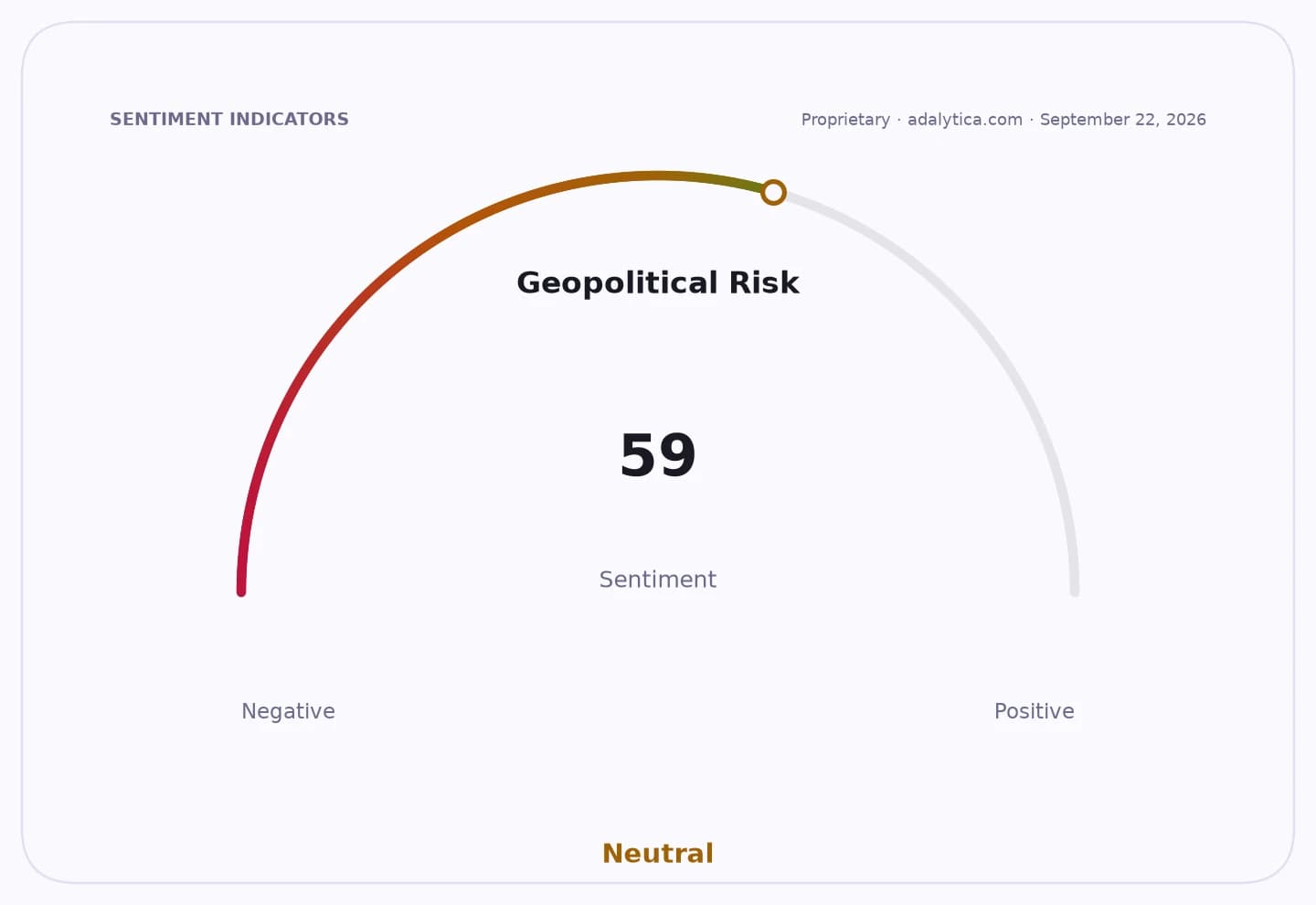
The demonstrations matter because Milei’s austerity drive and market-friendly overhaul depend on political durability. Any widening public resistance raises the odds of policy delays, weaker legislative support and a more volatile backdrop for assets tied to Argentina’s turnaround story.
That is showing up in local markets. Grupo Financiero Galicia, one of the country’s biggest listed banks, has fallen to $41.25 from a recent high above $58, with the shares now below both the 50-day and 200-day moving averages. The stock’s RSI reading of 27.1 points to deeply oversold conditions, while volume jumped to 929,492 on the latest session, suggesting traders are actively de-risking rather than sitting still.
The broader Argentina ETF, ARGT, is also softer at $92.88, with the fund just above its 200-day average and below its 50-day average. Loma Negra has slid to $9.59, below both long-term trend lines, reflecting a more cautious stance toward Argentine equities even after last year’s sharp rally.
Investor concern is not just about protest headlines. It is about whether social opposition can make it harder for Milei to sustain spending cuts, deregulation and fiscal tightening long enough to keep inflation falling and restore confidence in the currency and financial system.
For now, the market is still treating Argentina as a high-beta political trade rather than a settled turnaround. The next test is whether the government can keep reform momentum intact while containing unrest and preserving support in Congress and the streets.
| Entity | Gains | Losses |
|---|---|---|
| Protesters | ▲Visibility for opposition | ▼Policy momentum |
| Milei government | ▲None | ▼Public support |
| Argentina reform bulls | ▲Cheaper entry points | ▼Near-term political risk |
| GGAL and LOMA shorts | ▲Lower share prices | ▼Rebound risk |