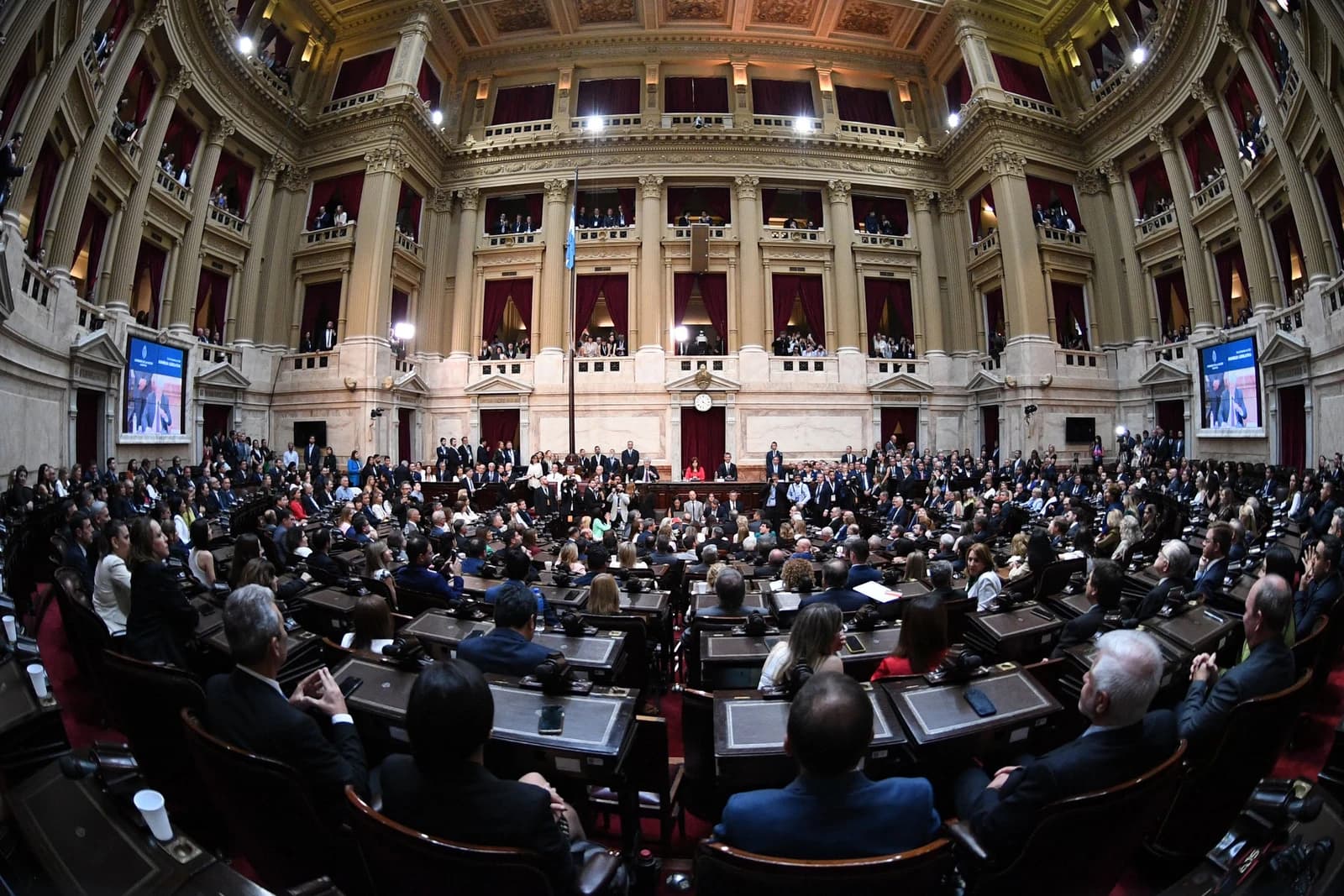
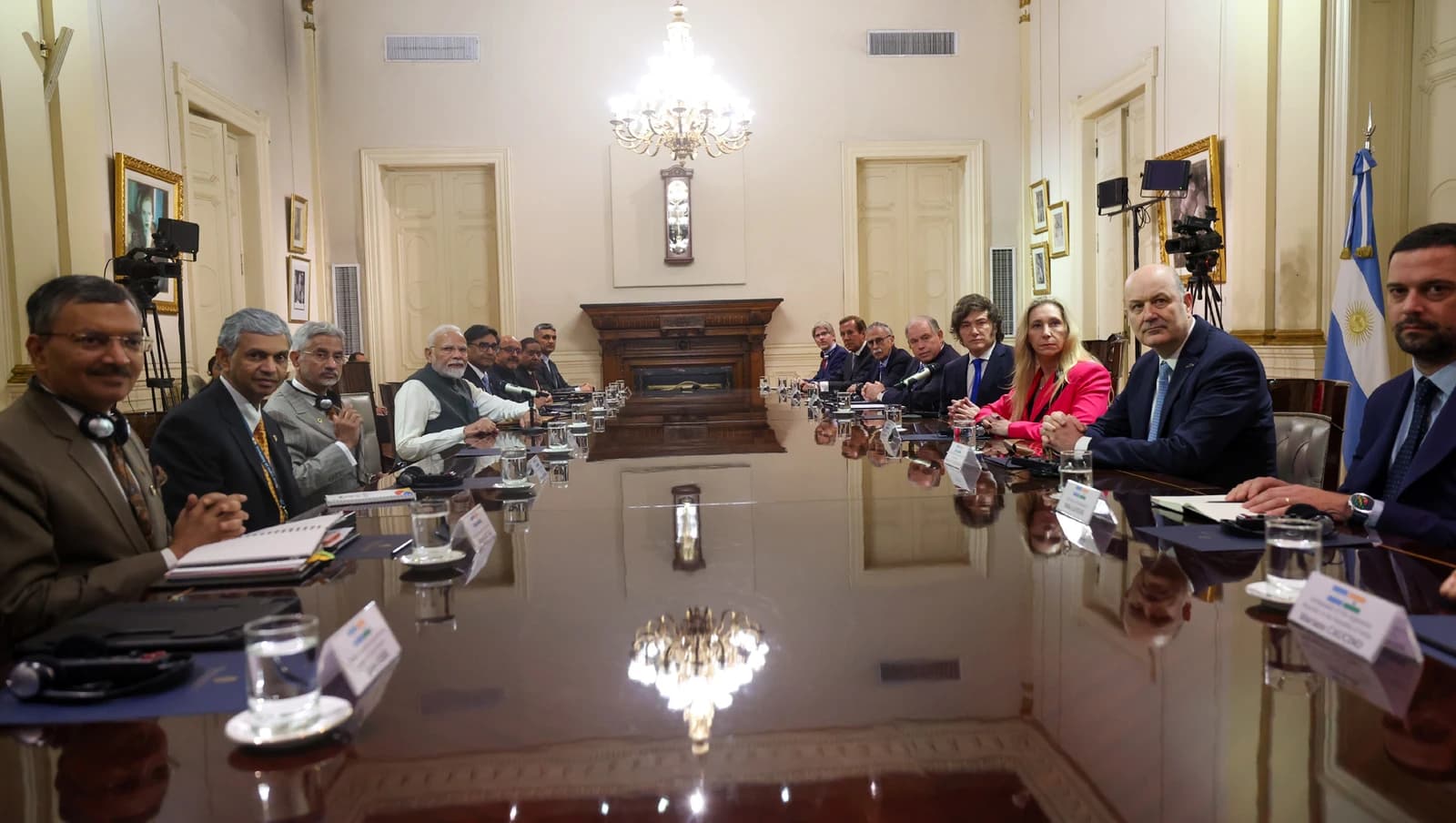
Javier Milei’s meeting with senior U.S. officials in Buenos Aires underscores that Washington’s economic engagement with Argentina is now being framed around a political horizon: 2027. The visit, led by Deputy Secretary of State Christopher Landau and Western Hemisphere chief Juan Pablo Segura, is meant to deepen an investment agenda centered on energy, mining and infrastructure, while also signaling U.S. backing for Milei as he seeks to lock in reforms and a second term.
Argentina U.S. talks focus on Milei, energy deals
That matters because Argentina’s stabilization effort still rests on fragile external financing, weak reserves and a high political risk premium. A stronger U.S. role could help unlock capital for the Andes-Atlantic Corridor, a project that links the mineral-rich northwest and Vaca Muerta shale basin to Atlantic ports, and could support financing of up to $7 billion from the U.S. Export-Import Bank through 2027. Washington has also floated up to $6 billion for Argentina LNG, the YPF-Eni-XRG venture that would turn the country into a larger gas exporter if execution holds.
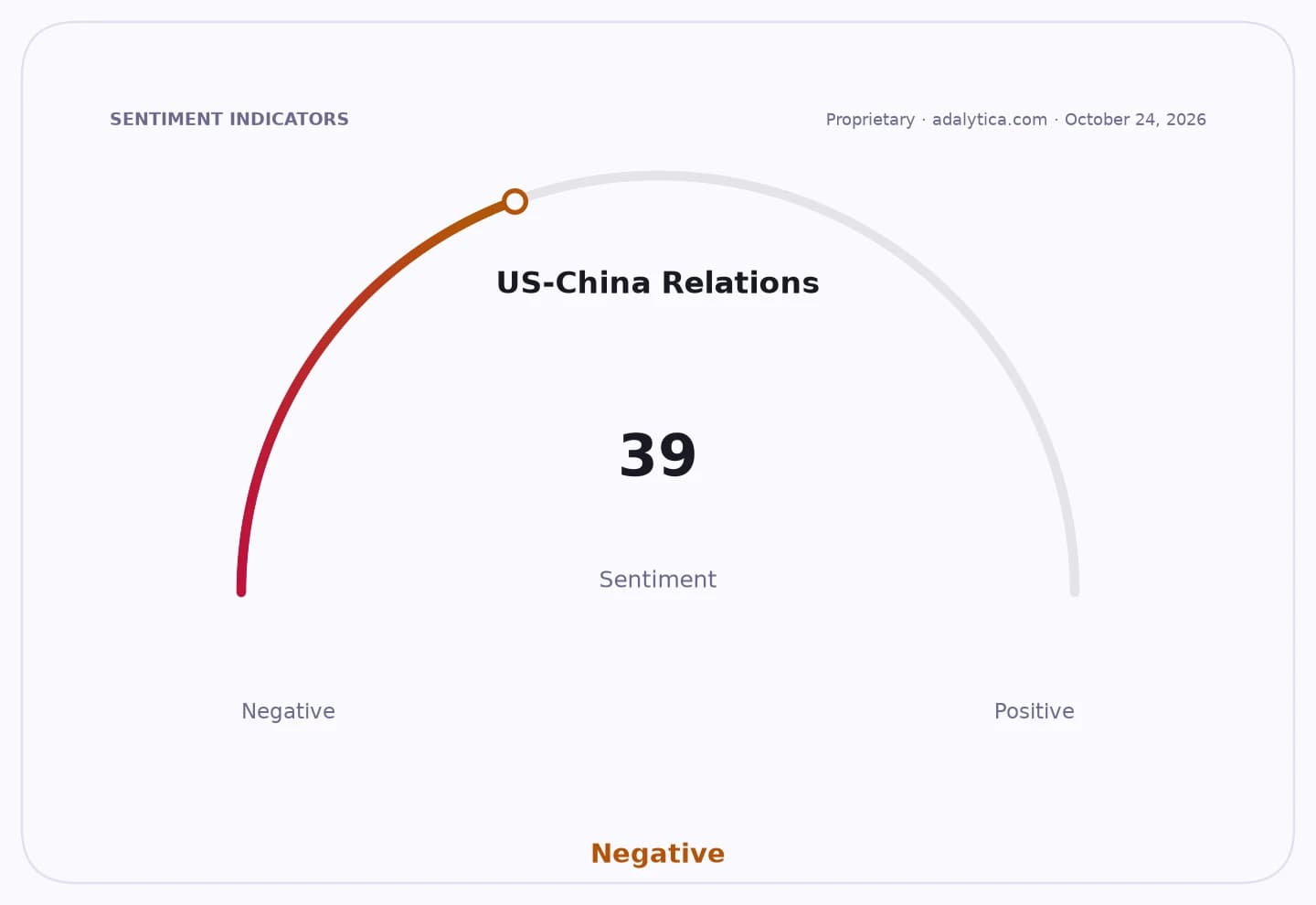
Sentiment Indicators
For investors, the message is that bilateral ties are moving beyond diplomacy and into deal-making with measurable economic payoffs. U.S. officials are not just discussing trade and investment rules; they are pairing them with security cooperation, patent protections and civil nuclear talks, all of which shape the cost of capital and the country’s access to strategic sectors. That makes the relationship relevant for Argentina’s sovereign risk, energy equities, mining names and anyone underwriting infrastructure or export-linked projects.
The political overlay is unavoidable. U.S. Ambassador Peter Lamelas has already suggested that as much as $20 billion in investments and credit could flow before the end of 2027, a timeline he openly tied to Argentina’s next election. Quirno has embraced the notion of shared objectives, saying Washington wants Milei to win again, while denying any formal condition beyond continuity of current policy. Markets will read that as a sign that U.S. support is conditional on Milei preserving his market-friendly agenda, not on any immediate macro turnaround.
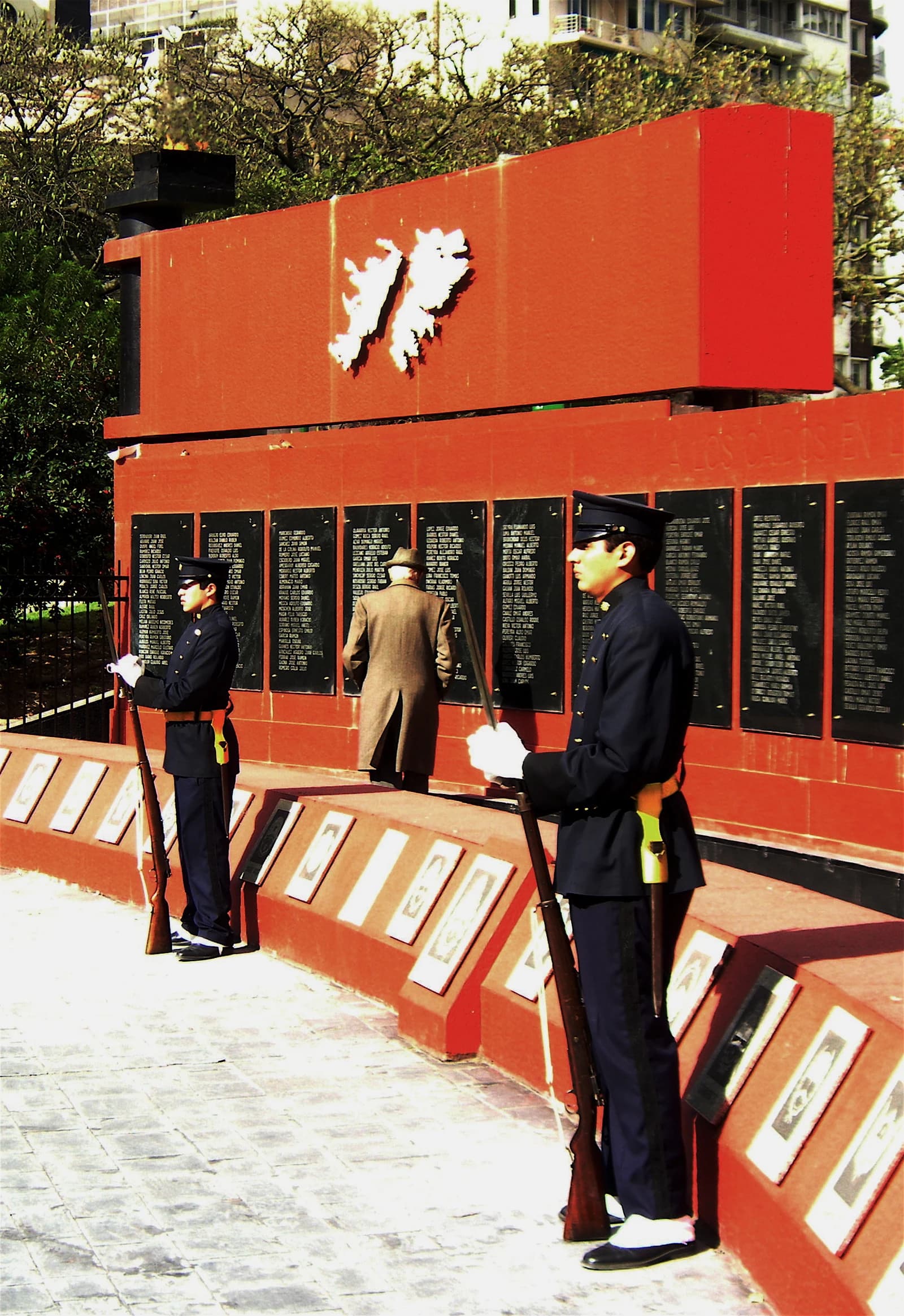
At the same time, the partnership has friction points. Washington’s push at the United Nations to dissolve the Special Committee on Decolonization has reopened sensitivities over the Malvinas, and the U.S. has also warned against Chinese suppliers in critical infrastructure, including Huawei-linked systems. Those issues matter to investors because they show Argentina is being pulled into a broader strategic contest between Washington and Beijing, one that could influence procurement, telecoms, energy infrastructure and financing terms.
The bull case is straightforward: if the Milei government sustains fiscal discipline and the U.S. converts pledges into funding, Argentina could reduce its external vulnerability and attract long-dated capital into sectors with hard-currency earnings. The bear case is that the investment pipeline remains mostly aspirational until reserves improve, Congress acts on trade and patent deals, and the 2027 election risk fades. Until then, Washington’s mission may do more to support sentiment than to solve Argentina’s structural financing problem.
| Entity | Gains | Losses |
|---|---|---|
| Milei government | ▲U.S. backing for reforms | ▼Higher exposure to 2027 political test |
| U.S. investors/lenders | ▲Access to energy and mining projects | ▼Policy and execution risk |
| Argentina’s export sectors | ▲Potential financing and infrastructure | ▼Delay if deals stay nonbinding |
| China-linked suppliers | ▲— | ▼Greater scrutiny in critical infrastructure |