Latin America should stop treating the U.S.-China rivalry as a forced choice and instead use peace, poverty reduction and human rights as its guideposts, economist and former Costa Rican presidential candidate Otton Solís said at a forum in Mexico City. The argument matters because the region’s export markets, technology access and financing channels are increasingly shaped by how it navigates the two powers.
Latin America weighs China-US rivalry, Solís says
Solís told the IX Forum for Dialogue of Civilizations between China and Latin America and the Caribbean that Chinese economic growth has expanded demand for regional goods and lowered the cost of clean-energy technology, including solar panels, wind equipment and electric vehicles. He said a more prosperous China means more markets for Latin American products and more competition that can reduce technology prices for buyers across the region.
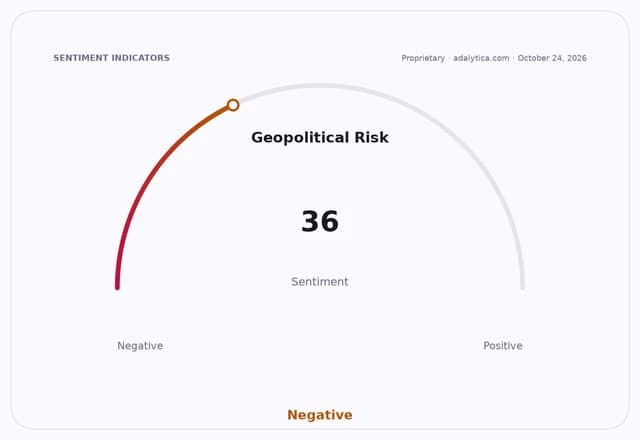
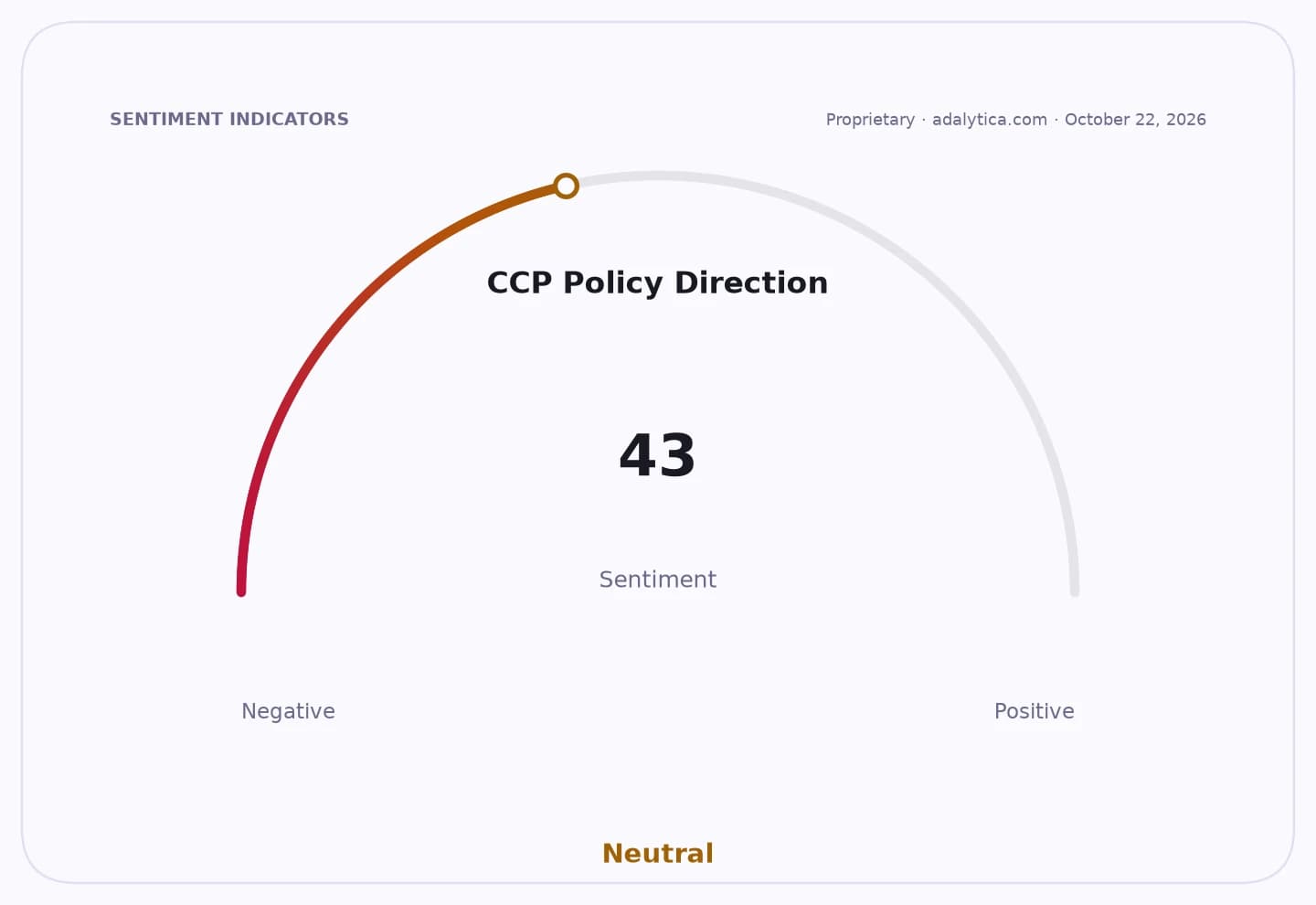
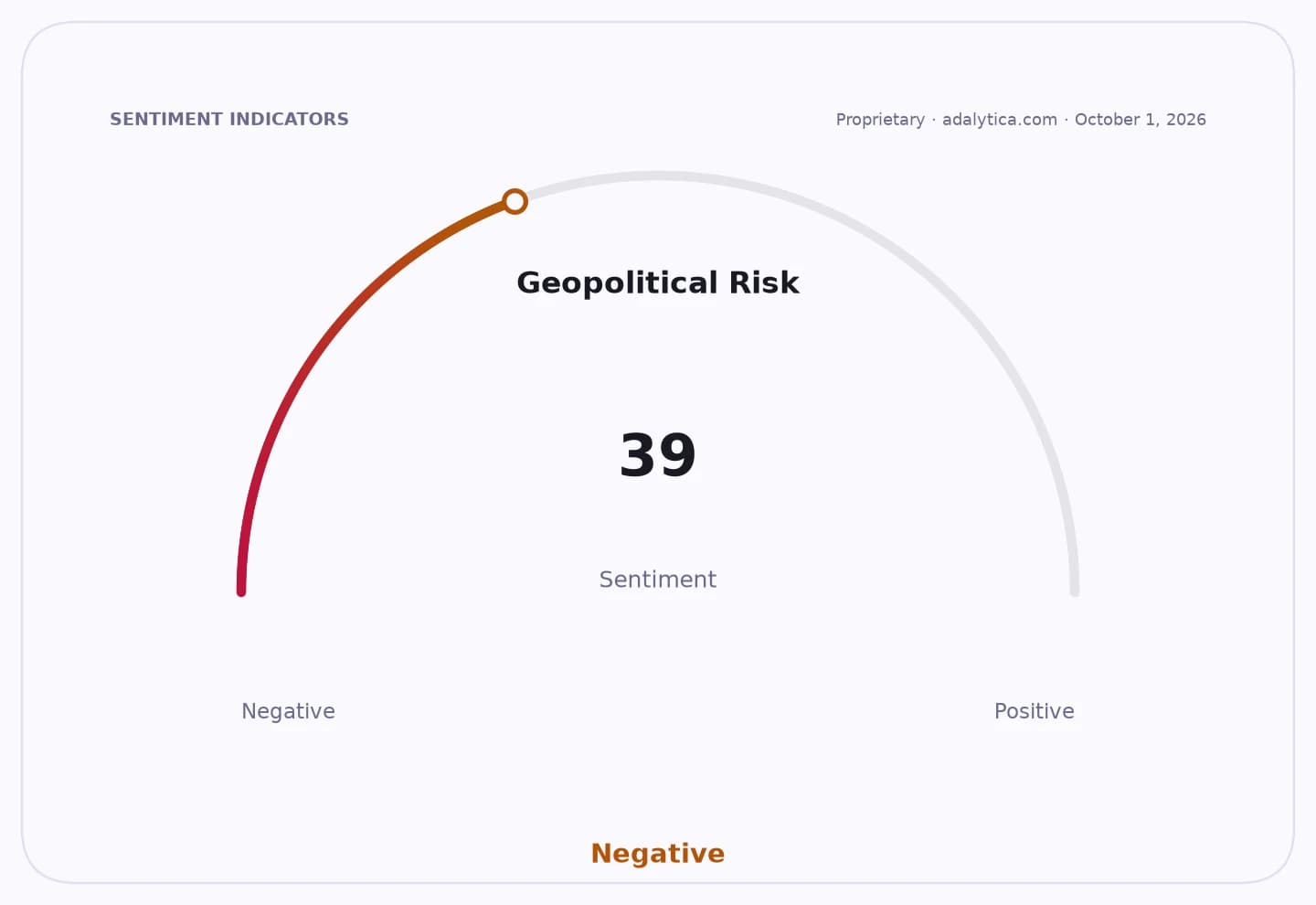
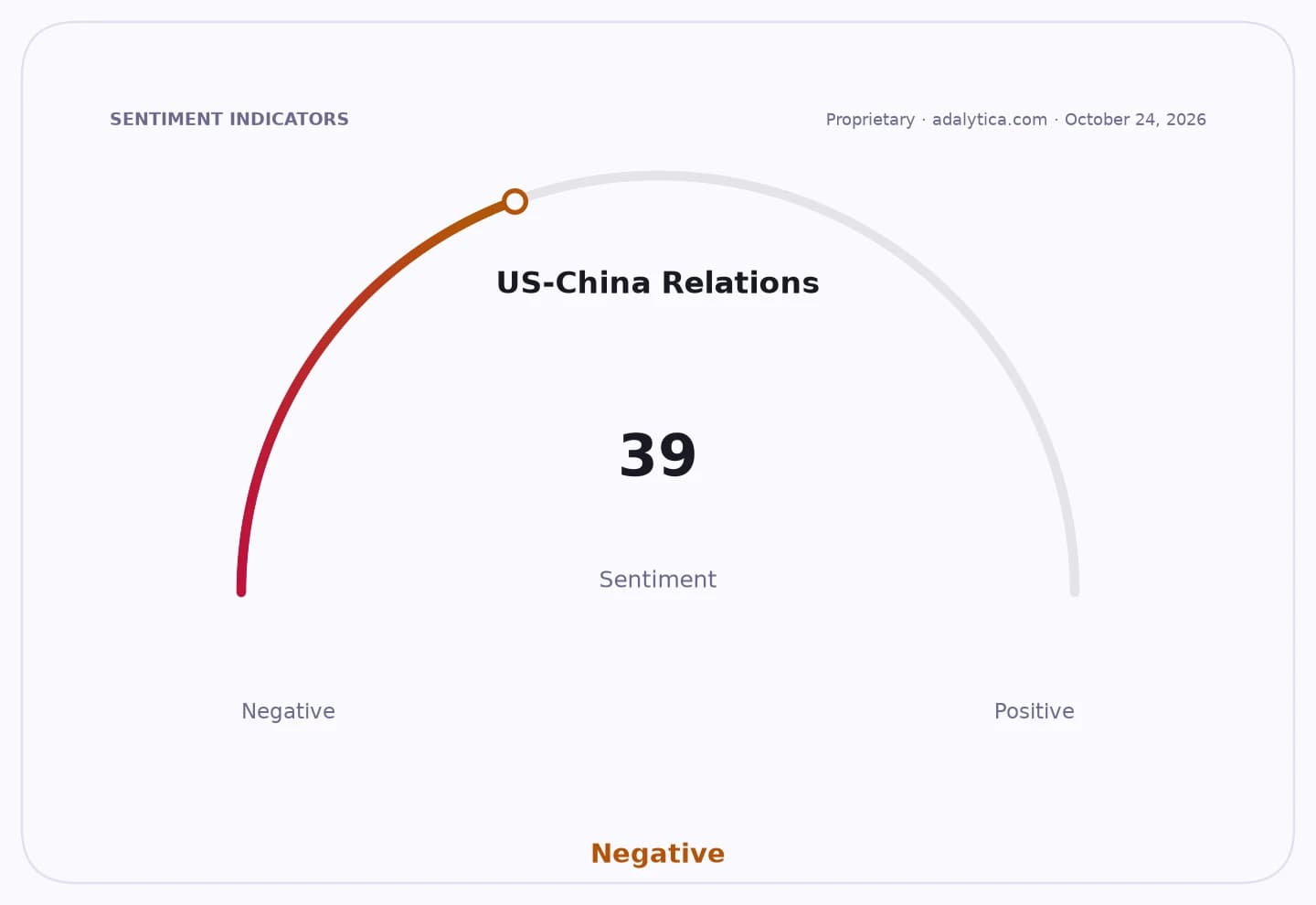
That pitch lands at a time when relations between Washington and Beijing remain a central geopolitical risk for emerging markets. Adalytica’s US-China Relations Sentiment gauge is at 39, described as neutral, but awareness is at just 4, or “extreme fear,” underscoring how little room investors see for policy surprises before market pricing reacts.
Solís argued that Latin America should study China’s development model without trying to copy it wholesale. In his view, the region should examine the mix of private initiative and state direction in China as a practical case study, not an ideological template, while keeping decisions tied to local conditions and social goals.
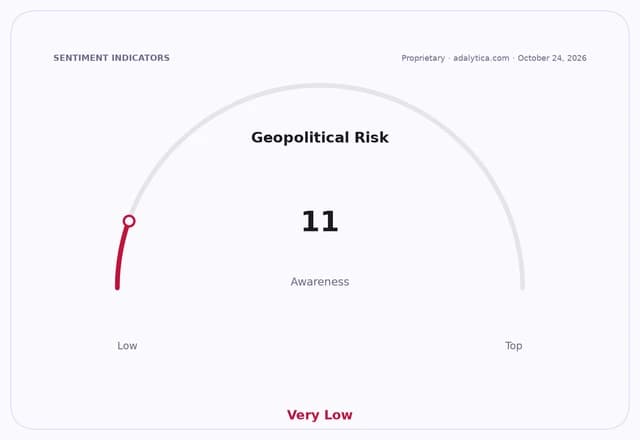
The warning for investors is that a sharper confrontation between China and the West could force Latin American governments to pick sides, limiting access to financing, technology and trade. That would raise policy risk across the region and could weigh on assets tied to commodity exports, infrastructure spending and foreign direct investment.
He also said a multipolar world gives Latin America more leverage than a unipolar one, because governments can compare prices, quality, technical support and financing terms across partners. But he added that even a thaw between major powers would not automatically address the needs of the Global South, which is why regional governments must define their own criteria.
For Solís, those criteria go beyond commerce and include peace, anti-poverty policy, sustainability, human rights and humanitarian aid. The message is that Latin American countries should turn competition between China and the United States into a bargaining tool — not an obligation to choose a camp.
The broader market implication is a regional strategy that prizes optionality: more room for Chinese capital in energy and technology, more pressure on the U.S. and Europe to compete on terms, and more sensitivity to any escalation in geopolitical friction. That keeps Latin American assets exposed to diplomatic headlines, even when the local economic data do not change.
| Entity | Gains | Losses |
|---|---|---|
| Latin American governments | ▲More bargaining power | ▼Pressure to align with one bloc |
| China | ▲Expanded market access | ▼Less exclusive influence |
| United States | ▲Incentive to offer better terms | ▼Ability to pressure partners |
| Investors in Latin America | ▲Lower tech and financing costs if rivalry stays peaceful | ▼Higher risk if tensions escalate |