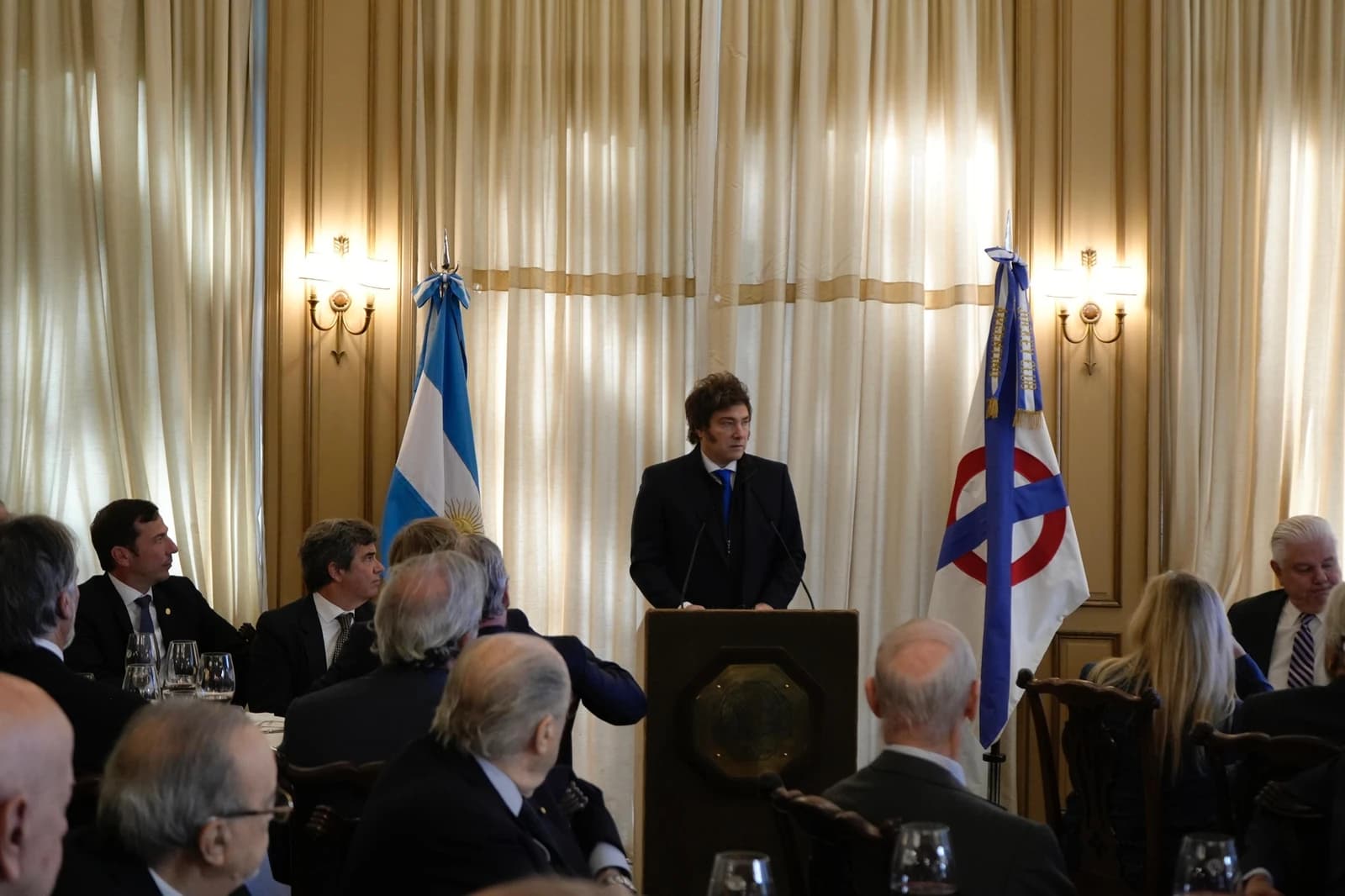
Javier Milei is heading to Vaca Muerta with his strongest political asset — a booming energy basin — and his weakest economic problem: most of Argentina is still flat to shrinking.
Argentina's Vaca Muerta Boom and Wider Economy Split
The contrast matters because it is becoming the clearest test of whether Milei can turn isolated pockets of growth into a broader recovery before next year’s election. In Neuquén, the president can point to billions of dollars of investment, rising oil exports and a policy framework built to attract capital. Outside that enclave, the economy is losing jobs, inflation is stabilizing only unevenly and the risk of recession is rising again.
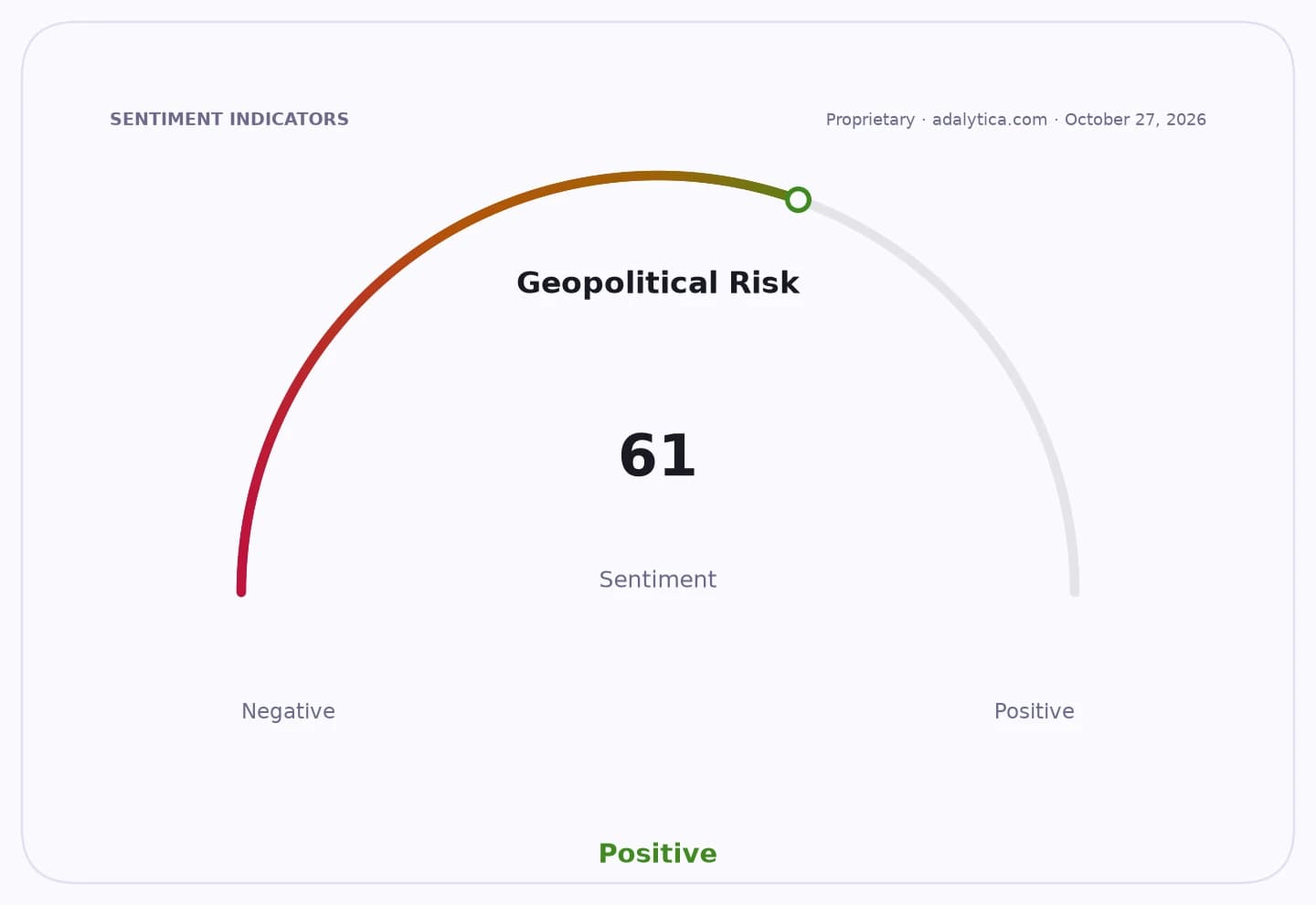
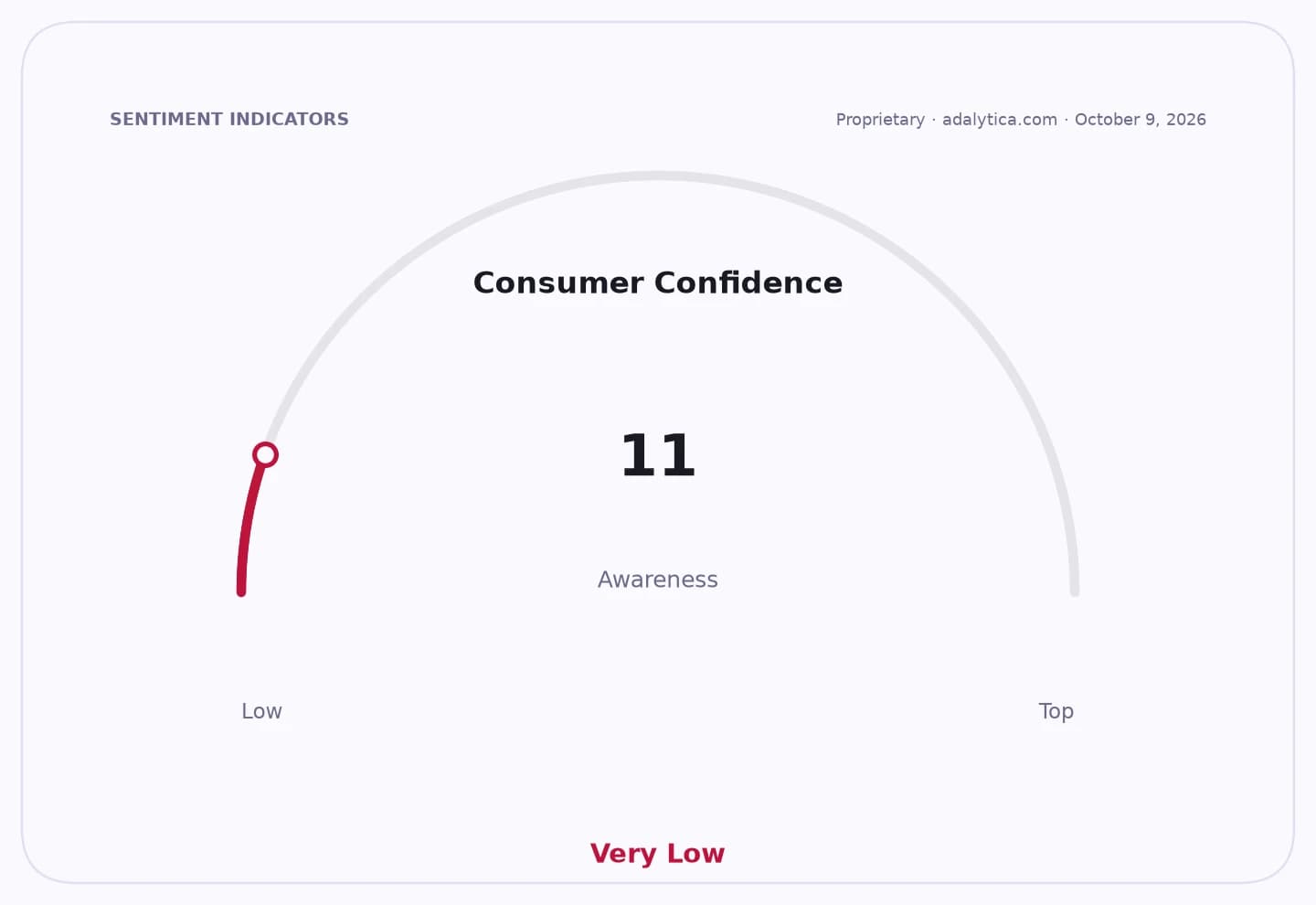
Sentiment IndicatorsⓘProprietary · adalytica.com · October 27, 2026
This is a snapshot — live sentiment, awareness and momentum for 130+ markets update continuously in the dashboard.Open AlphaPulse
The International Monetary Fund has already lowered its forecast for Argentina’s growth this year to 2.1% from 3.5%, underscoring how fragile the rebound is. Monthly inflation climbed back to 1.9% in September, while the private sector shed another 12,000 jobs in July, extending a 14-month stretch of declines. Since Milei took office, private employment has fallen by 265,000 positions, or about 4% of the total, even as the public sector has also been cut by about 80,000 jobs under his austerity programme.
That backdrop explains why Vaca Muerta has become more than an energy story. It is the one place where Milei’s economic model is visibly working, and where investors still see a pipeline of returns. The government says about US$35 billion has been committed in oil and gas under the RIGI investment regime, a figure that has helped draw capital into shale drilling and export infrastructure. For the administration, the basin is both a source of foreign exchange and a political proof point.
But the very concentration of success in a handful of sectors is now creating a liability. Opposition figures are already floating the idea of reviewing RIGI project by project if Peronists return to power, a message that is aimed directly at companies planning multi-year capital spending. For investors, that raises the familiar Argentine risk premium: policy can change as quickly as the political cycle.
The market has reflected that tension. YPF, the state-controlled oil company that is central to the Vaca Muerta buildout, has traded in a volatile range despite a strong rally earlier in the year. After peaking above $57 in mid-September, the shares have slipped back to around $49, while still holding above their 200-day moving average. Vista Energy, another major shale player, has also cooled from near $79 in September to roughly $73, though it remains well above its long-term trend. The pullback suggests investors are still willing to back the basin, but are less comfortable with the broader macro and political backdrop.
Oil prices are helping keep that optimism alive. West Texas Intermediate has recently traded above $108 a barrel, a level that supports export revenues and strengthens the economics of shale development. That matters for Argentina’s balance of payments because Vaca Muerta is one of the few sectors able to generate foreign currency at scale, at a time when the rest of the economy is struggling to do so.
Still, the political arithmetic is difficult. Milei needs the energy boom to look national, not provincial. Governor Rolando Figueroa can already count on re-election because Neuquén is benefiting directly from the fracking expansion; Milei cannot assume the same for voters elsewhere, where the gains are far less tangible. His challenge is not just to protect the sector that works, but to convince households and workers in the stagnant economy that the benefits will eventually spill over.
That is why the president’s visit to Vaca Muerta is as much about narrative control as industrial policy. He is trying to show that a liberal reform programme can produce growth without abandoning fiscal discipline. The bear case is that the boom remains too narrow, too exposed to commodity prices and too dependent on a fragile political coalition. The bull case is that if energy exports keep rising, Vaca Muerta can finance a wider recovery and help Milei reach 2027 with a stronger story than the rest of the economy currently offers.
For now, the divide is the story: one Argentina is drilling, exporting and attracting capital; the other is still waiting for the payoff.
| Entity | Gains | Losses |
|---|---|---|
| Milei administration | ▲Energy-sector credibility | ▼National growth narrative |
| Vaca Muerta producers | ▲Investment and export revenues | ▼Policy stability risk |
| Opposition/Peronists | ▲Electoral attack line | ▼Investor confidence |
| Argentine workers outside energy | ▲Little direct gain | ▼Jobs and income |