Argentina’s push to turn Vaca Muerta into a long-term LNG export engine has moved from planning to physical execution, with pipe transfers and trenching now underway on the San Matías Gasduct.
Argentina Vaca Muerta San Matías pipeline advances
That matters because this is the bottleneck project that can connect one of the world’s most prolific shale basins to floating liquefaction units on the Gulf of San Matías, converting stranded gas into exportable dollars at a time when Argentina badly needs hard currency, industrial activity and private capital inflows.
Pan American Energy said the first pipes began leaving the storage yard at Puerto de San Antonio Este and moving by truck to the work fronts. The logistics are enormous: nine heavy-haul trucks from local cooperative RioQuen are carrying four pipes per trip, with each pipe measuring about 12 meters long and 36 inches in diameter. The port has already received the first two cargoes, with 12 shipments expected in total and about 40,000 pipes destined for the line.
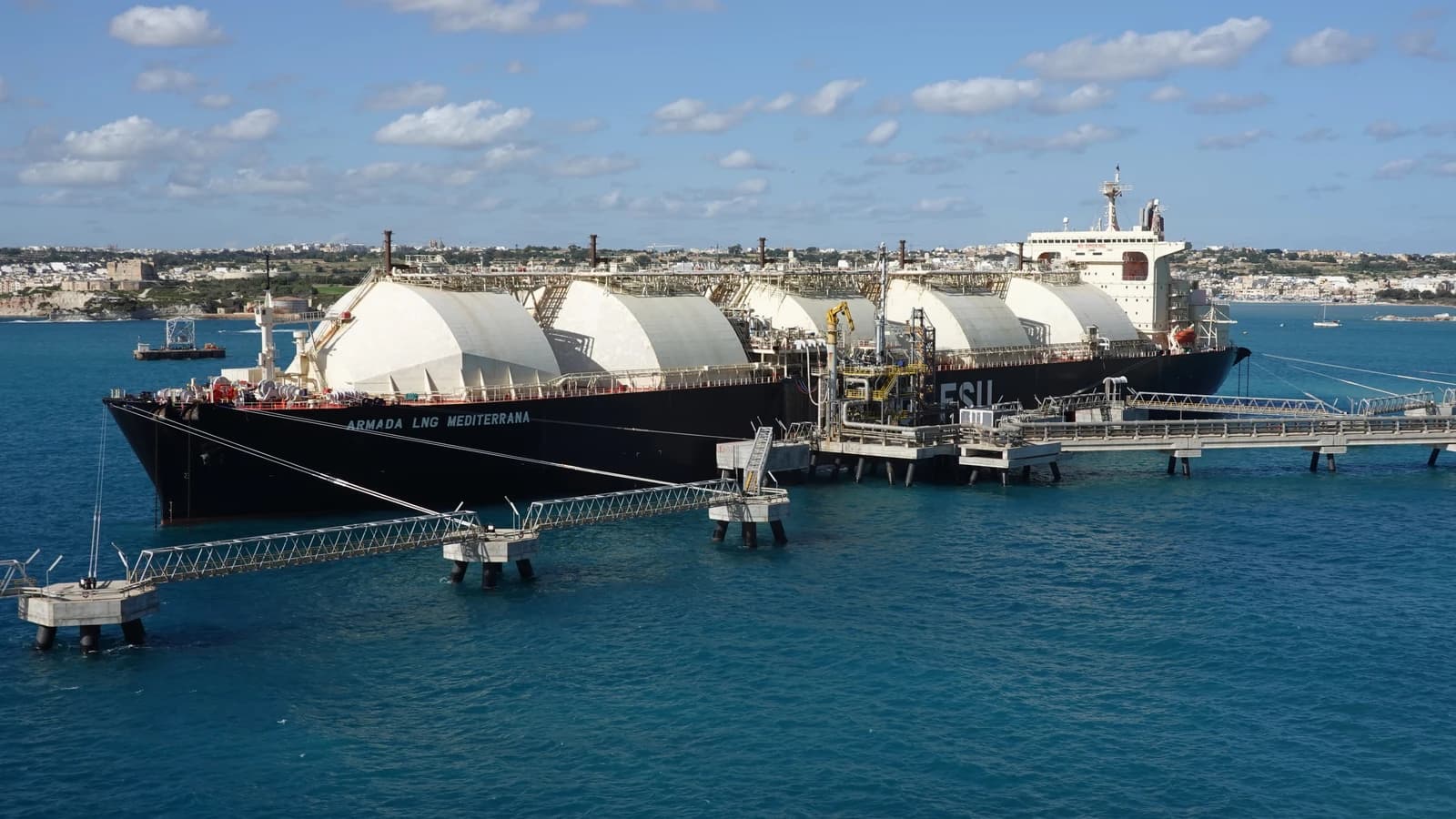
The scale of the build shows why investors should care. San Matías Pipeline is part of a broader LNG platform backed by Pan American Energy, YPF, Pampa Energía, Harbour Energy and Golar LNG, the same shareholders behind Southern Energy, which plans to install the Hilli Episeyo and Esperanza floating liquefaction units. In other words, this is not just a pipeline: it is the inland artery for a new export business model that could reprice Argentina’s gas assets if execution stays on track.
The project is slated to run 472 kilometers, carry as much as 27 million cubic meters of gas a day and cost an estimated $1.3 billion, with completion targeted for mid-2028. For the domestic economy, that means construction demand, transport activity and infrastructure spending across Río Negro and the wider Patagonian corridor. For the export balance, it means a pathway to higher energy shipments and less dependence on imported fuel in peak seasons.
The timing also fits a bigger capital-cycle story. Vaca Muerta has become the centerpiece of Argentina’s energy strategy, and the latest physical progress follows a string of investment announcements tied to gas and mining. The market is still underestimating how quickly infrastructure can turn the basin’s geological advantage into cash flow, especially if LNG demand remains firm and global buyers keep seeking non-Russian, non-Middle East supply.
For shareholders, the key implication is that the value chain is widening. YPF, Pan American Energy and Pampa Energía are not just energy producers anymore; they are becoming infrastructure owners tied to export optionality. Harbour Energy and Golar LNG add international credibility and LNG specialization, while local logistics players stand to benefit from a multi-year hauling and services contract cycle.
Technically, YPF’s recent price action suggests the market is already beginning to price in that optionality, with the stock trading above both its 50-day and 200-day moving averages even after a recent pullback. PBR has also seen strong momentum, reflecting how investors are favoring names with direct exposure to Vaca Muerta’s next leg. TGS, by contrast, has lagged sharply, showing that the market is still discriminating between the companies tied to future export growth and those more exposed to near-term volatility.
The real catalyst now is execution: more pipe deliveries, broader excavation progress and the arrival of the third vessel tied to the project. If those milestones keep landing on schedule, San Matías could evolve from a construction story into a re-rating event for Argentina’s entire gas complex. For investors, the takeaway is straightforward: the best risk-reward still sits in the infrastructure and export-enablement names that win if Vaca Muerta finally stops being only a resource story and becomes a shipping business.
| Entity | Gains | Losses |
|---|---|---|
| YPF | ▲LNG export optionality | ▼pure upstream-only valuation |
| Pan American Energy / Southern Energy | ▲project control | ▼execution risk |
| Golar LNG | ▲floating LNG demand | ▼delay risk |
| TGS | ▲pipeline ecosystem activity | ▼if route shifts elsewhere |