Golar LNG has taken another step to expand its floating liquefied natural gas business, agreeing to buy the LNG carrier Grace Dahlia from NYK Line for conversion into its fourth FLNG unit, a move that deepens the company’s bet on scarce, near-term liquefaction capacity.
Golar LNG Buys Grace Dahlia for FLNG Conversion
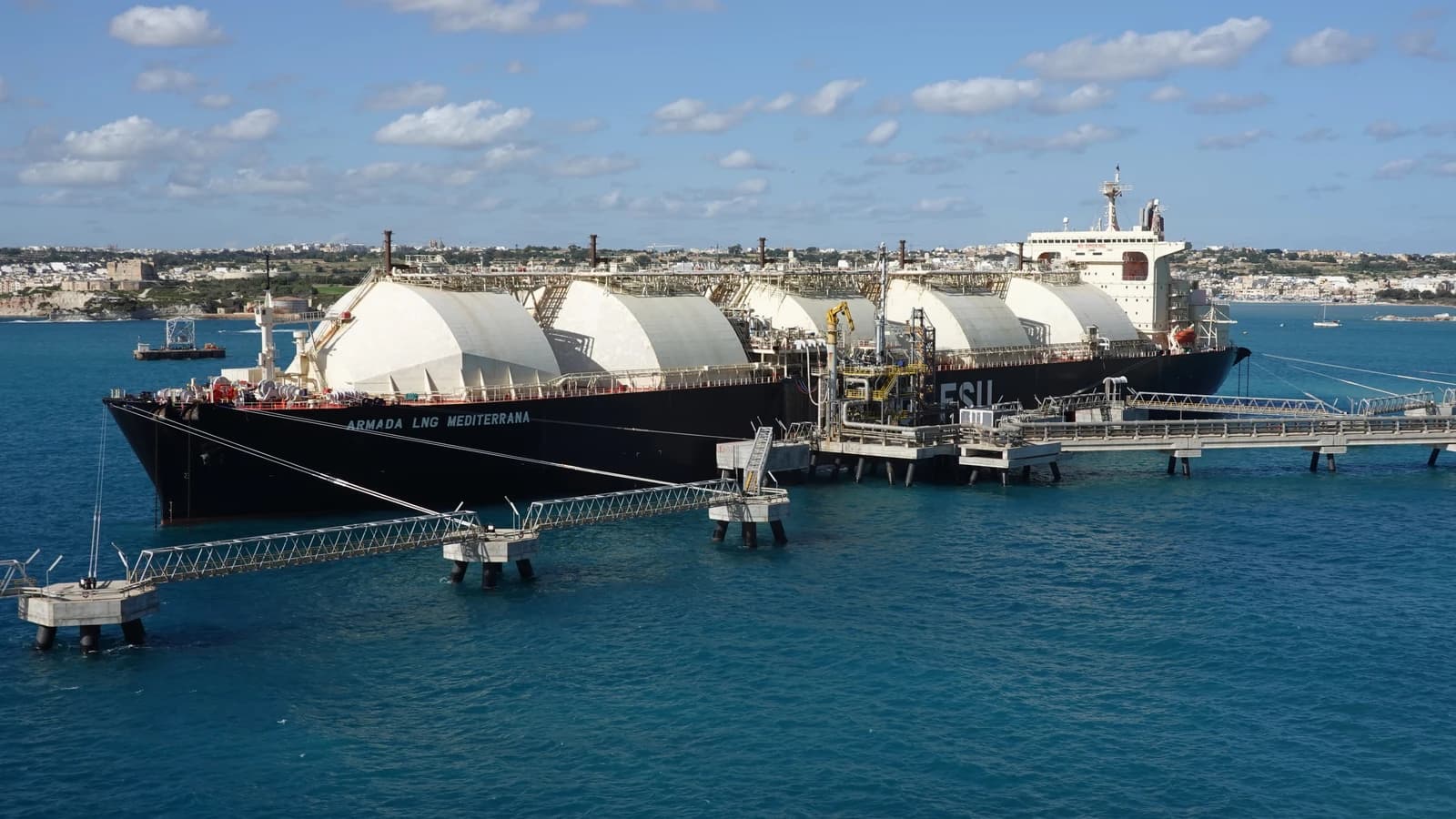
The deal matters because it gives Golar control of a vessel that can be turned into what the company says will be the world’s earliest available FLNG capacity, with redelivery scheduled for 2029. In a market where new LNG supply projects are often delayed by capital costs, engineering complexity and permitting risk, owning conversion feedstock is strategically important: it shortens the path to a revenue-generating asset and helps lock in future contracted cash flows.
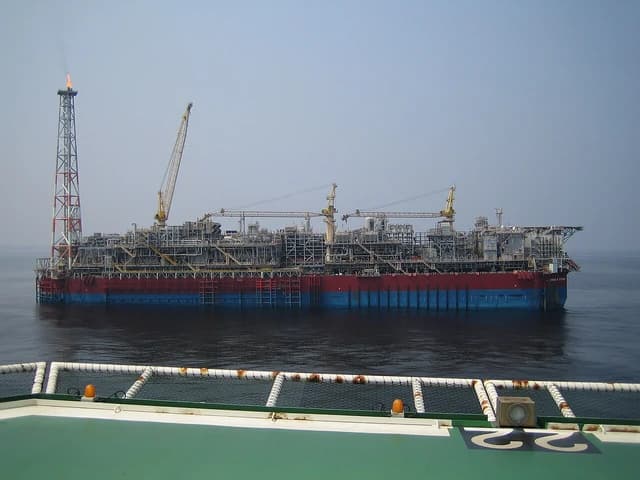
Grace Dahlia, built in 2013, has LNG storage capacity of 177,427 cubic meters, about 20% larger than the 3.5 million tonne-a-year FLNG Esperanza now under construction. That larger storage capacity should appeal to customers that need more offloading flexibility, while still preserving the economics of Golar’s repeat MKII design. The vessel will be converted at CIMC Raffles’ Yantai shipyard in China, alongside Esperanza, giving Golar a second project line that reinforces its execution pipeline into the end of the decade.
For investors, the key point is that Golar is building optionality in a segment where first-mover advantage and asset scarcity can support high utilization and long-term charter pricing. The company’s shares have already reflected that optimism: GLNG has climbed from the low $30s late last year to the high $40s and low $50s in recent sessions, though the stock remains below its spring highs and recent technical readings show momentum has cooled after the earlier run-up.
The strategic backdrop is a wider LNG industry that continues to favor flexible export capacity. Floating projects can be faster to deploy than large onshore terminals, and they may prove more attractive to customers seeking phased capacity additions or exposure to markets where traditional infrastructure faces delays. Golar’s move also lands as benchmark U.S. oil prices and interest rates remain elevated relative to pre-pandemic norms, underscoring the value of projects that can generate returns without requiring the same scale of upfront commitments as greenfield LNG complexes.
The bull case is straightforward: Golar is assembling a portfolio of scarce FLNG assets that could be contracted into a tight global LNG market, with the 2029 timeline giving it a potentially valuable first-wave advantage. The bear case is execution risk — shipyard timing, conversion cost inflation and the challenge of securing commercial terms rich enough to justify the buildout. For now, the acquisition suggests Golar is leaning into demand for flexible LNG supply rather than waiting for the market to come to it.
| Entity | Gains | Losses |
|---|---|---|
| Golar LNG | ▲More FLNG capacity | ▼Higher execution risk |
| LNG buyers | ▲Earlier supply access | ▼Less bargaining power |
| NYK Line | ▲Monetizes vessel sale | ▼Loses asset exposure |
| Competing FLNG developers | ▲Validates floating model | ▼Faces tighter first-mover race |