Argentina’s first wheat yield estimates are now running above the average of the last five seasons, a welcome sign for global grain markets after recent frost damage fears and a reminder that weather can still swing agricultural prices fast.
Argentina Wheat Yields Run Above Five-Year Average
The Buenos Aires Cereals Exchange said its early projections suggest yields will come in below last year’s record-like season, except in the northwest, but still beat the zonal average of the past five campaigns. In the north and west of the farm belt, the estimates are also seen above the 2021/22 season, which ranks among the country’s best on record.
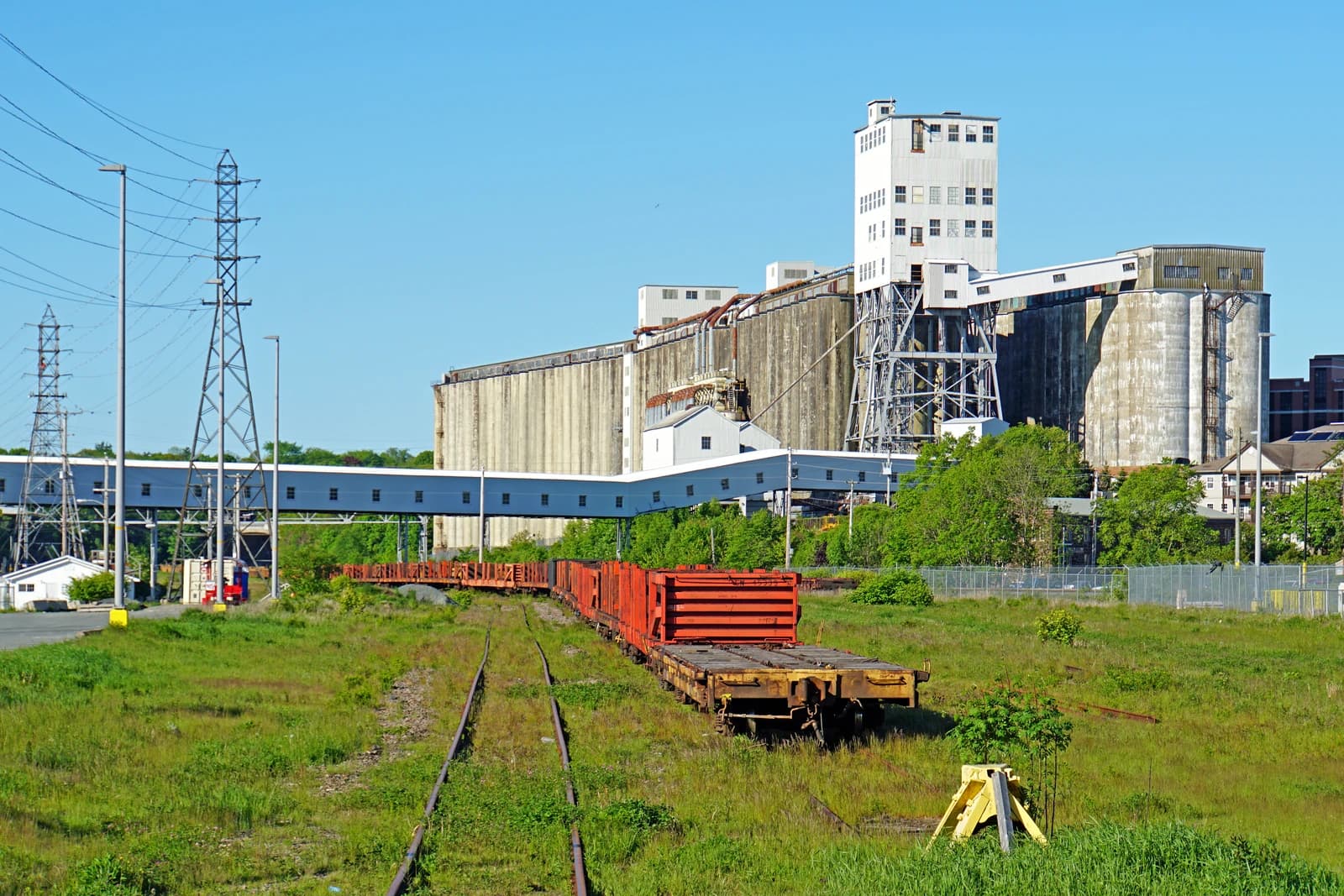
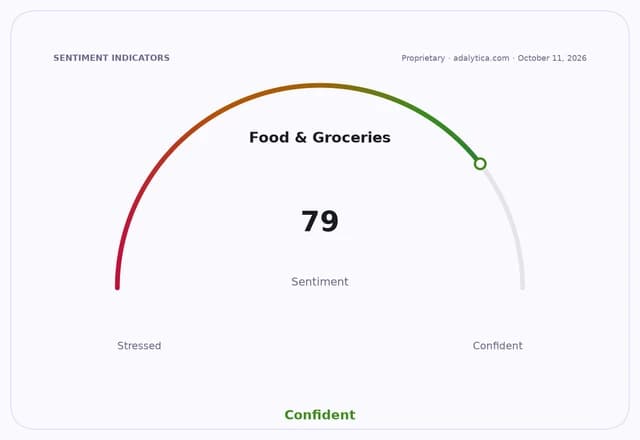
Sentiment IndicatorsⓘProprietary · adalytica.com · October 11, 2026
This is a snapshot — live sentiment, awareness and momentum for 130+ markets update continuously in the dashboard.Open AlphaPulse

That matters because Argentina is one of the world’s key wheat exporters, and every improvement in South American supply tends to ease pressure on international prices, especially when buyers are already watching weather closely across the Southern Hemisphere. The exchange said 91% of the wheat area now has adequate to optimal moisture, with 64% of crops rated good to excellent, suggesting the crop has a solid foundation as it moves into grain fill.
There is still some downside risk. The report said damage assessments from recent frosts are ongoing, so the final outcome is not locked in. But the broad message is clear: the crop is holding up better than feared, and the early numbers argue against a major supply shock from Argentina this season.
Investors in agricultural commodities should care because even modestly better wheat output can shift sentiment across the grain complex, cap upside in wheat futures and influence pricing for related assets such as wheat ETFs. In the broader farmland and agribusiness ecosystem, a healthier crop can also support farmer economics, lower feed-cost pressure over time and improve visibility for exporters and grain handlers.
The same report also showed corn planting for the 2026/27 crop is running ahead of last year, while sunflower planting is moving forward with most fields in normal to excellent condition. That suggests Argentina’s agricultural engine is advancing on multiple fronts, not just wheat, which is constructive for a country that depends heavily on farm exports for hard-currency earnings.
For long-term investors, the takeaway is simple: weather-driven volatility is still part of the grain trade, but the first hard evidence from Argentina leans positive. If the crop keeps progressing and frost losses remain limited, wheat supply expectations could stay comfortably above the five-year norm, a development worth watching for anyone invested in commodities, farm equipment, fertilizer names or broad agriculture funds.
| Entity | Gains | Losses |
|---|---|---|
| Argentine wheat growers | ▲Better-than-feared yields | ▼Less upside from a shortage rally |
| Wheat buyers/importers | ▲More comfortable supply outlook | ▼Lower chance of a price spike |
| Wheat bulls/longs | ▲Limited unless frost damage worsens | ▼Weather premium may fade |
| Agribusiness and ETF investors | ▲Steadier crop outlook | ▼Less explosive near-term trade |