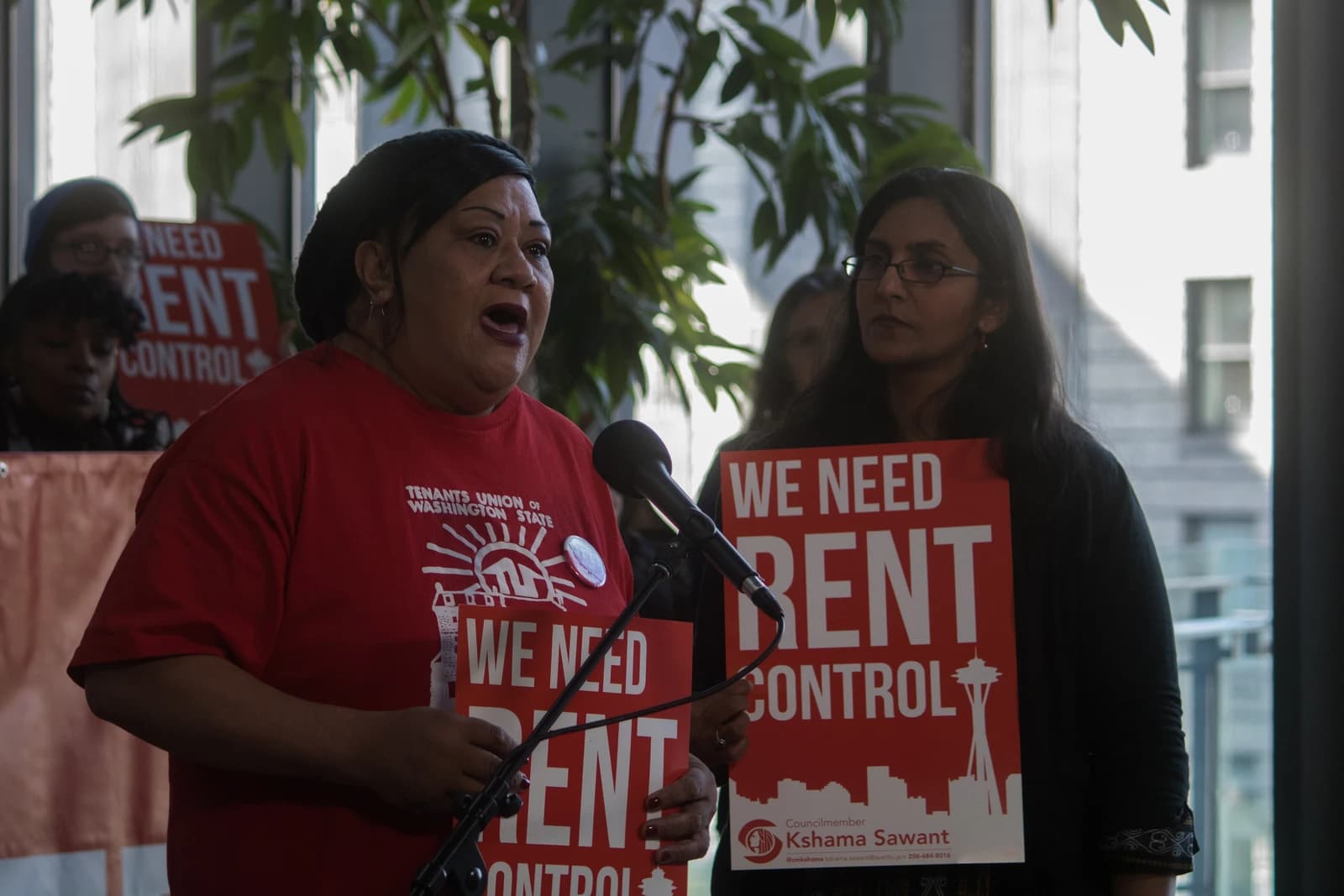
Arizona is joining a multistate legal fight over a Trump administration housing rule that could remove federal rental assistance from mixed-status households, a change that landlords, public housing authorities and investors say could tighten an already strained affordable-housing market and push more families toward homelessness.
Arizona joins lawsuit over HUD rental aid rule
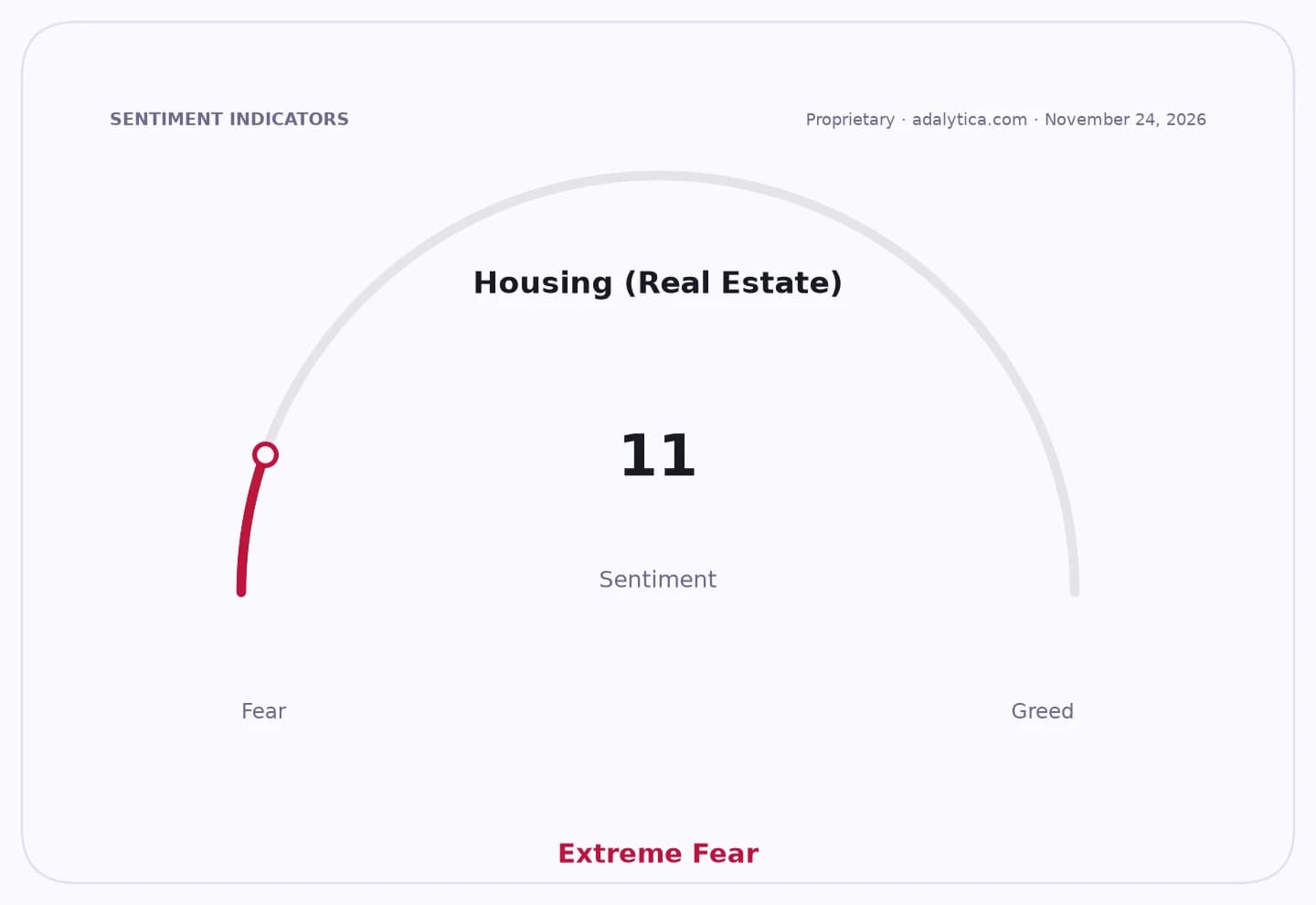
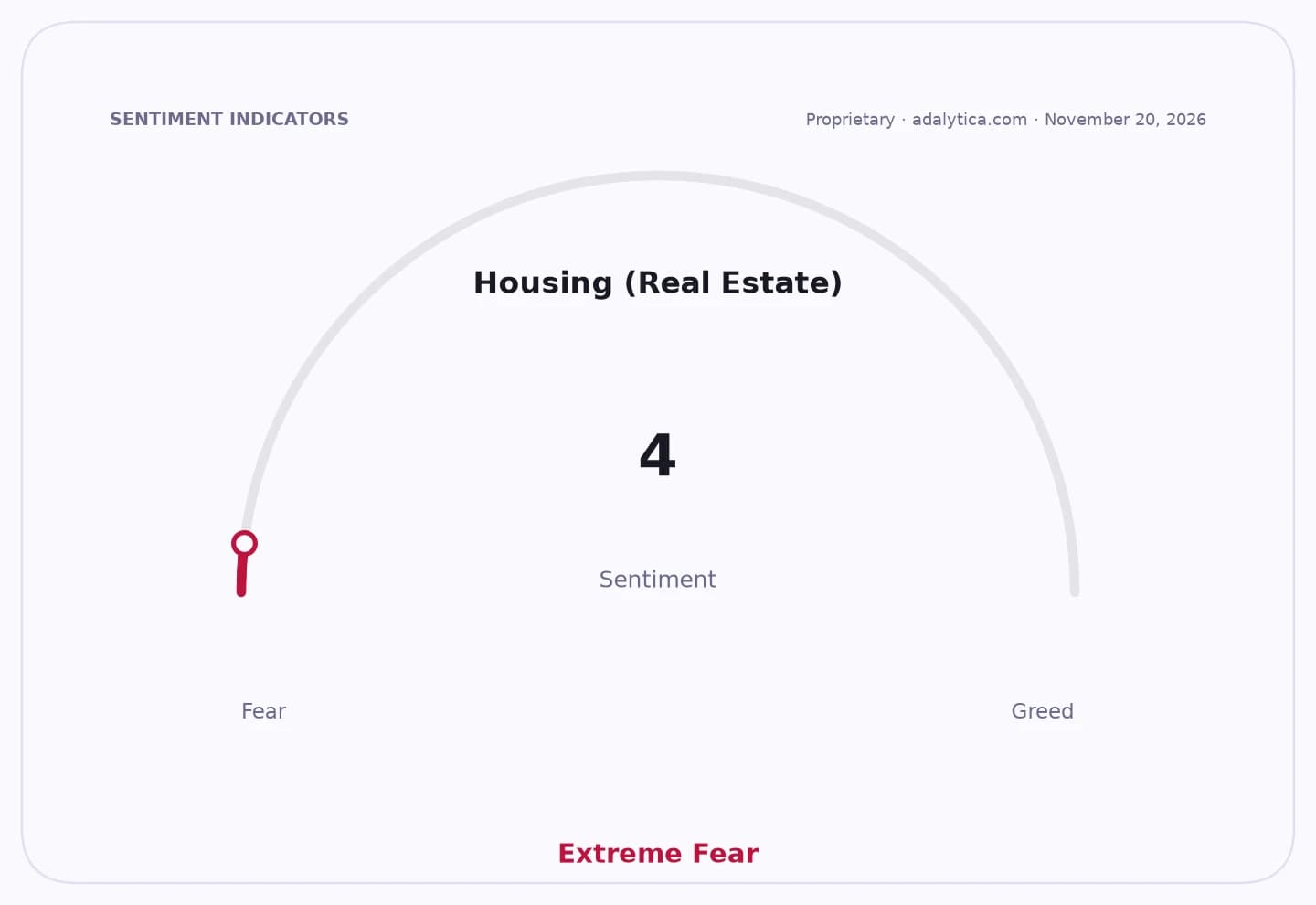
Housing (Real Estate)
The lawsuit, led by Arizona Attorney General Kris Mayes and joined by 21 other attorneys general and Pennsylvania Gov. Josh Shapiro, says the rule would end long-standing prorated aid for families that include both eligible and ineligible members and instead require every person in a household to qualify for HUD assistance. That reverses a framework in place for nearly three decades and, if implemented, would affect about 20,000 mixed-status families, or 78,100 people, according to HUD estimates.
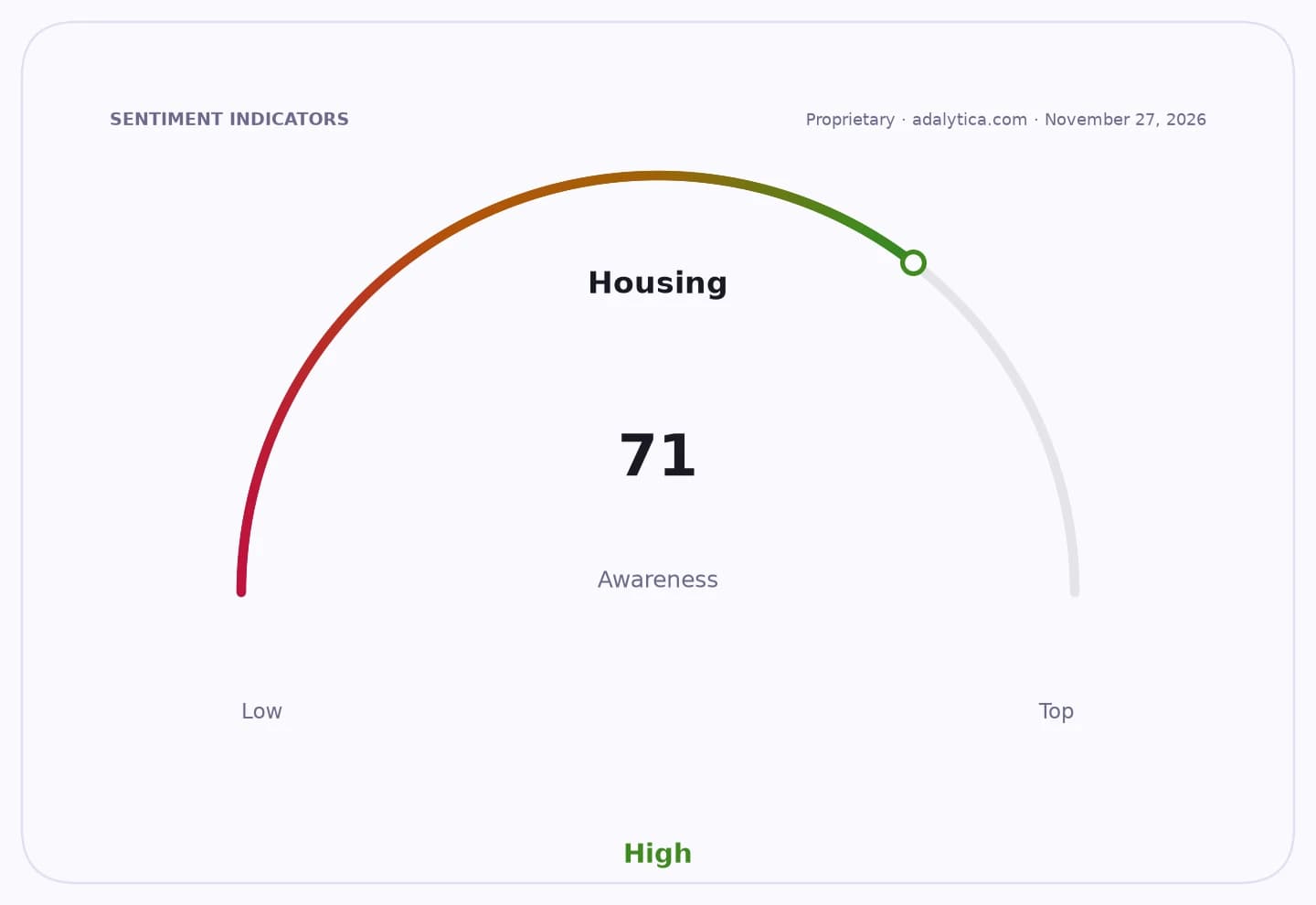
Sentiment Indicators
Housing
The economic stakes go beyond the immediate loss of subsidies. Arizona and other plaintiffs argue that removing aid from households that include eligible children, seniors and workers would increase shelter and emergency-housing costs for state and local governments, which could face annual expenses of $20,000 to $50,000 per displaced person. It also risks weakening rental income for owners of subsidized housing, a material issue in a state where affordability remains tight and vacancy risks can alter the economics of the Section 8 market.
That matters for investors because the rule could change the flow of revenue to multifamily owners, affordable-housing operators and housing-related equities that depend on stable voucher demand. In Arizona, where housing policy is already being shaped by high rents, elevated mortgage rates and supply shortages, any policy that reduces utilization of subsidized units can ripple through occupancy, rent collections and development incentives. American Homes 4 Rent, one of the larger single-family rental owners with a presence in Sun Belt markets, has traded near the middle of its recent range as investors weigh slower housing turnover and uneven demand against persistent rental support.
The case also highlights a broader political risk around U.S. housing policy: federal decisions on eligibility can quickly become local balance-sheet problems. HUD’s reported acknowledgement that the rule could leave subsidized units vacant and push landlords out of the voucher program is especially important because it would not just displace tenants; it could reduce the supply of affordable units available to qualifying renters, worsening the shortage the policy claims to address.
For Arizona, the dispute is likely to become another test of whether housing policy is being used to manage affordability or to enforce immigration priorities. For investors, the key question is whether federal housing rules become a source of renewed pressure on subsidized housing cash flows, public-sector costs and the already fragile supply side of the rental market.
| Entity | Gains | Losses |
|---|---|---|
| Federal government/HUD | ▲tighter eligibility control | ▼legal challenge, administrative risk |
| Mixed-status families | ▲none | ▼loss of housing aid, displacement risk |
| Arizona/local governments | ▲none | ▼higher shelter and homelessness costs |
| Affordable-housing landlords | ▲none | ▼lower voucher revenue, vacancy risk |