Greece’s long-standing homeownership culture is giving way to renting as surging property prices, expensive mortgages and strained household budgets push more families out of the buy-to-own market.
Greece homeownership falls as rents rise
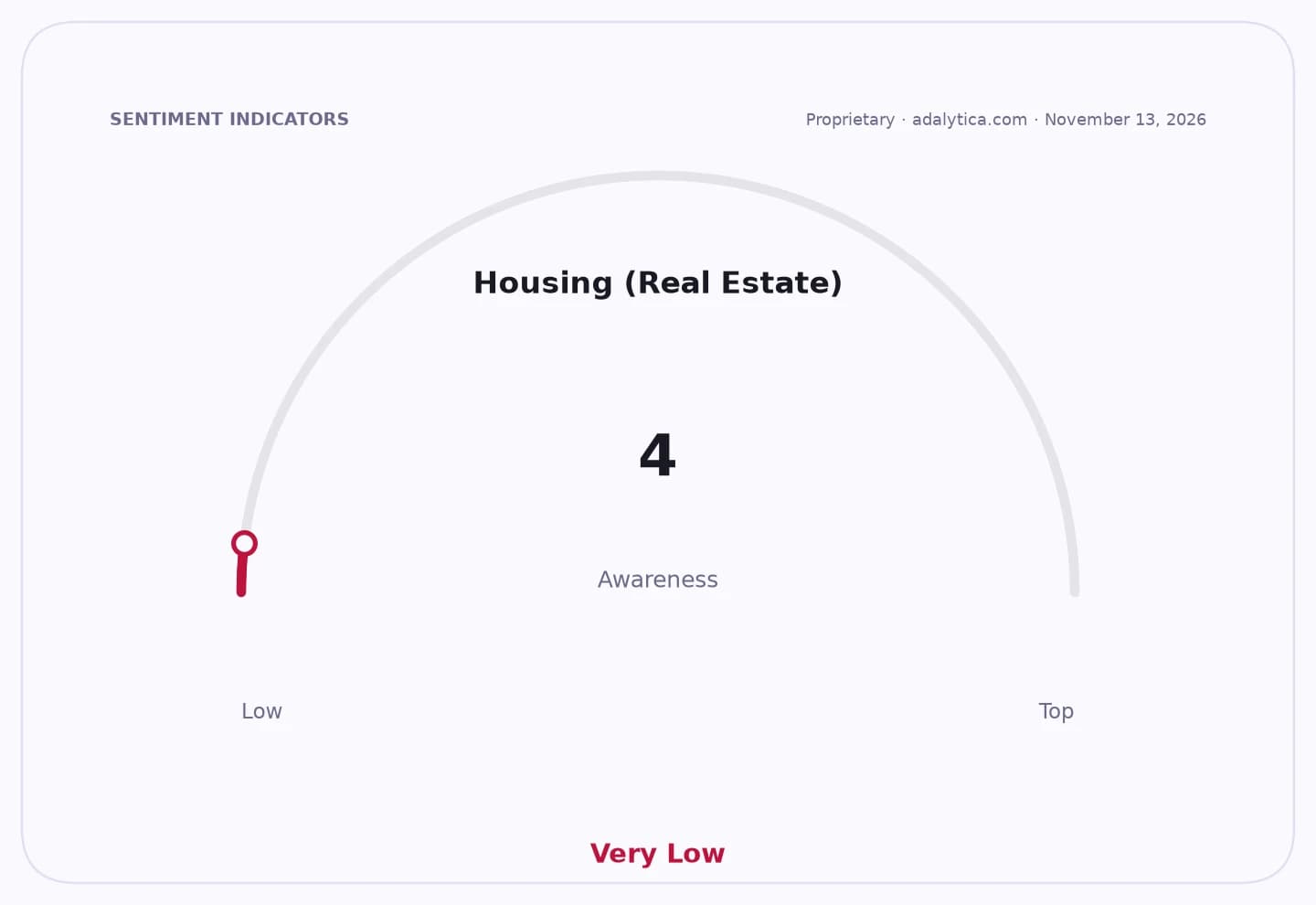
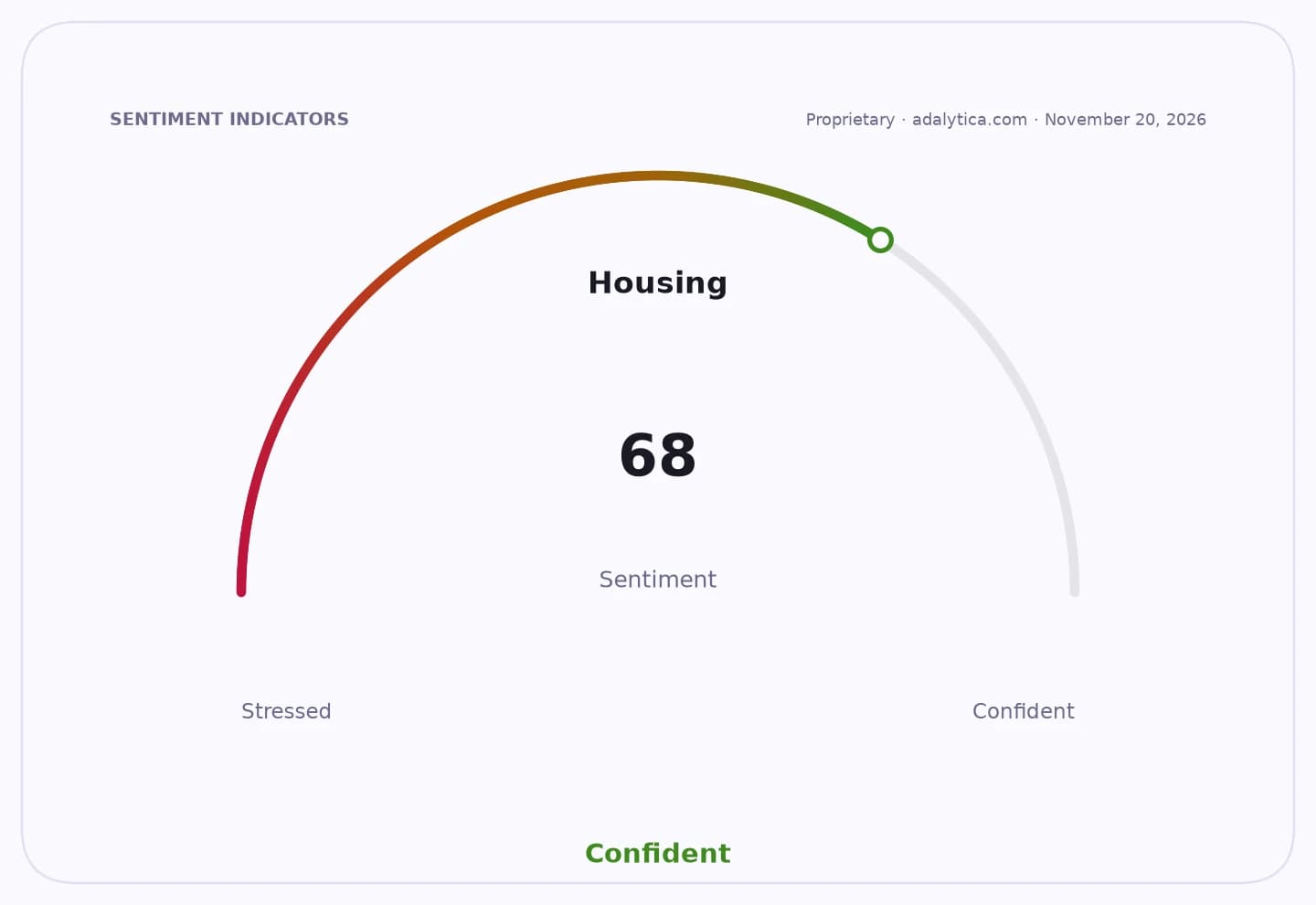
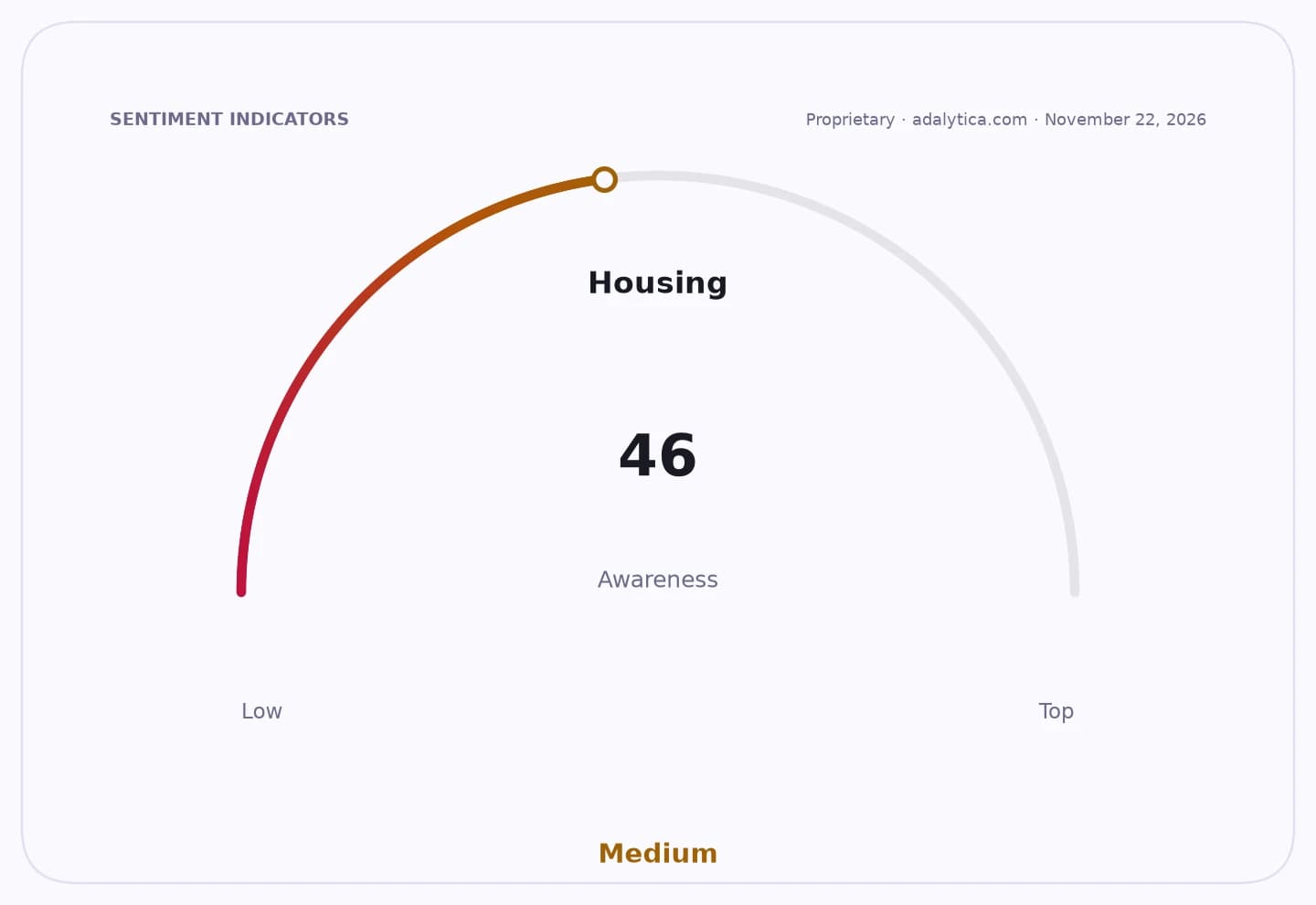
Housing (Real Estate)
Eurostat data show the share of Greeks living in owner-occupied housing fell to 69.4% in 2025 from 75.4% in 2019, a six-point drop that brings the country close to the EU average of 68.5%. The shift matters because it marks a structural change in how Greek households allocate income, build wealth and access shelter, with younger buyers and first-time purchasers bearing the brunt.
Sentiment Indicators
The move away from ownership is not just a social trend. It reflects a housing market where prices have risen faster than wages and where financing remains difficult even after the economy’s recovery from crisis. Bank of Greece data show apartment prices rose 8.3% in 2025 and were still climbing at a 5.5% annual rate in the second quarter of 2026. For many households, that has made the upfront deposit and debt burden of a mortgage prohibitive, especially in Athens and Thessaloniki where affordable supply remains tight.
The result is a growing pool of renters, including people who would traditionally have bought a home. Eurostat says 30.6% of the population now lives in non-owner-occupied housing, up from 24.6% in 2019. That category includes not only market renters but also people living at subsidised or free accommodation, underscoring how demand for flexible or lower-cost housing options is broadening.
The pressure is most visible in housing affordability. Greece had the highest share of the EU population living in households that spent at least 40% of disposable income on housing costs in 2025, at 26.4%, compared with the bloc average of 7.7%. That is a critical macro drag: when housing absorbs so much income, consumer spending power weakens, savings rates fall and household balance sheets remain fragile.
The strain is clear in rental outlays as well. The Hellenic Statistical Authority’s household budget survey found households in rented accommodation spend 23.4% of their monthly budget on housing, of which 17.3% goes directly to rent. That leaves less room for consumption, precautionary saving or down payments, locking many households into renting longer than they may have planned.
Policy makers have tried to blunt the impact through the “Spiti Mou” housing schemes, which have already logged more than 24,000 approved applications and loans. A third round, expected by the end of December, would widen eligibility by raising the age cap to 55 and increasing the maximum property value to 300,000 euros, with loans of up to 230,000 euros. The question for investors and policy makers is whether such programmes can offset a supply shortage or merely support prices at the margin.
For housing investors, the change in Greece’s tenure mix is significant. A larger rental population can support landlords, developers and housing finance providers, but it also exposes how constrained supply and affordability have become. For banks, more housing demand may translate into mortgage growth, yet the affordability gap limits loan origination and raises dependence on state-backed schemes. For households, the erosion of ownership means less wealth accumulation over time, deepening intergenerational inequality.
The broader European comparison is telling. Greece once stood out for exceptionally high ownership rates, but it is now much closer to countries where renting is a normal tenure choice rather than a fallback. The difference is that in Greece, rental demand is rising less because preferences are changing than because ownership has become unreachable for too many.
What matters now is whether new housing policy can increase supply, improve affordability and ease financing conditions before renting becomes the default for an entire generation.
| Entity | Gains | Losses |
|---|---|---|
| Landlords | ▲Higher rental demand | ▼Tenant affordability worsens |
| First-time buyers | ▲Broader state support | ▼Higher prices and deposits |
| Banks | ▲Potential mortgage volume | ▼Fewer qualified borrowers |
| Greek households | ▲More housing options | ▼Lower savings and wealth build-up |