Turkey’s banking regulator has sharply curbed mortgage borrowing for people who already own at least two homes, a move that could slow speculative demand in a housing market where affordability has become a growing political and economic fault line.
Turkey Regulator Cuts Mortgages for Multi-Home Owners
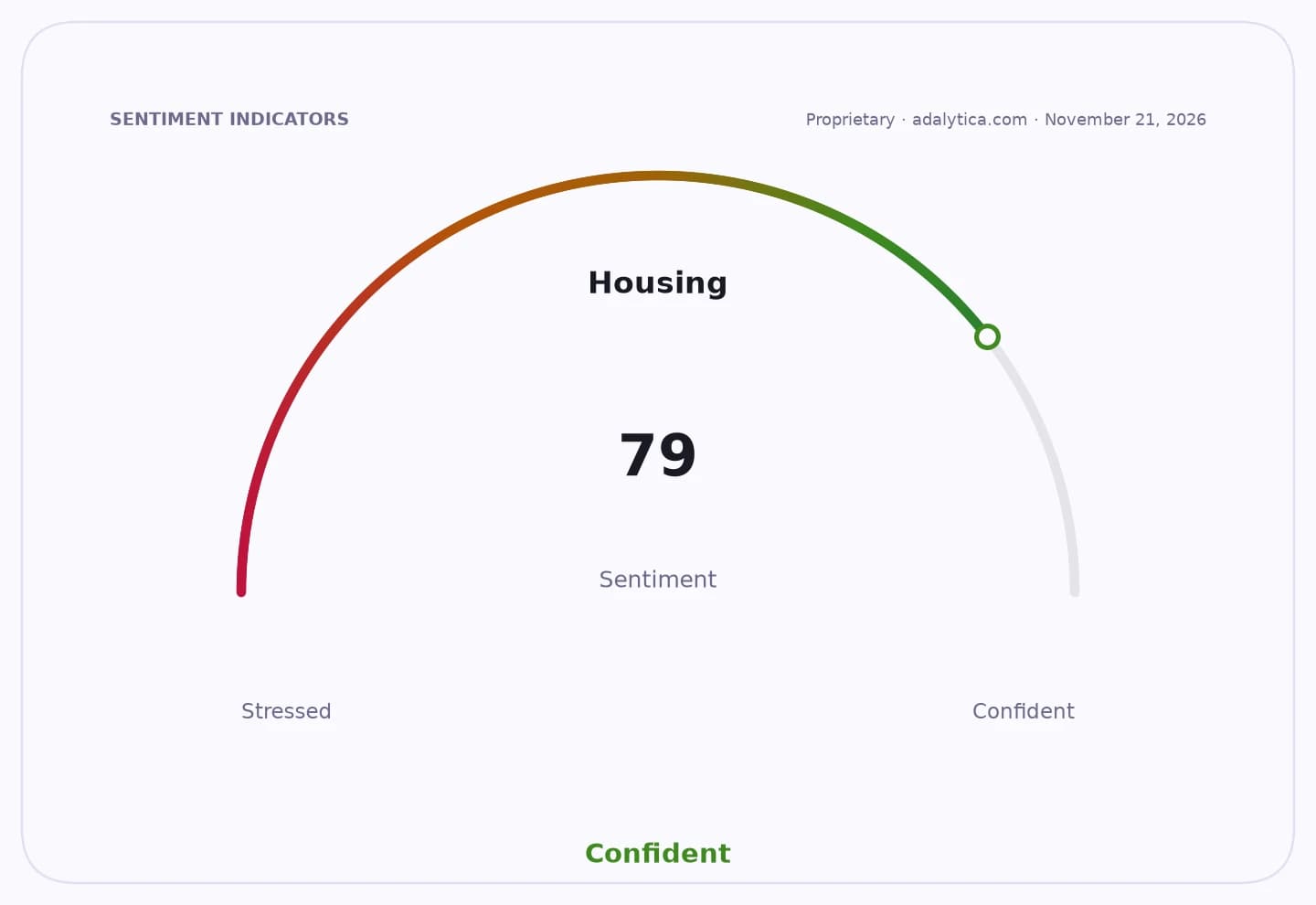
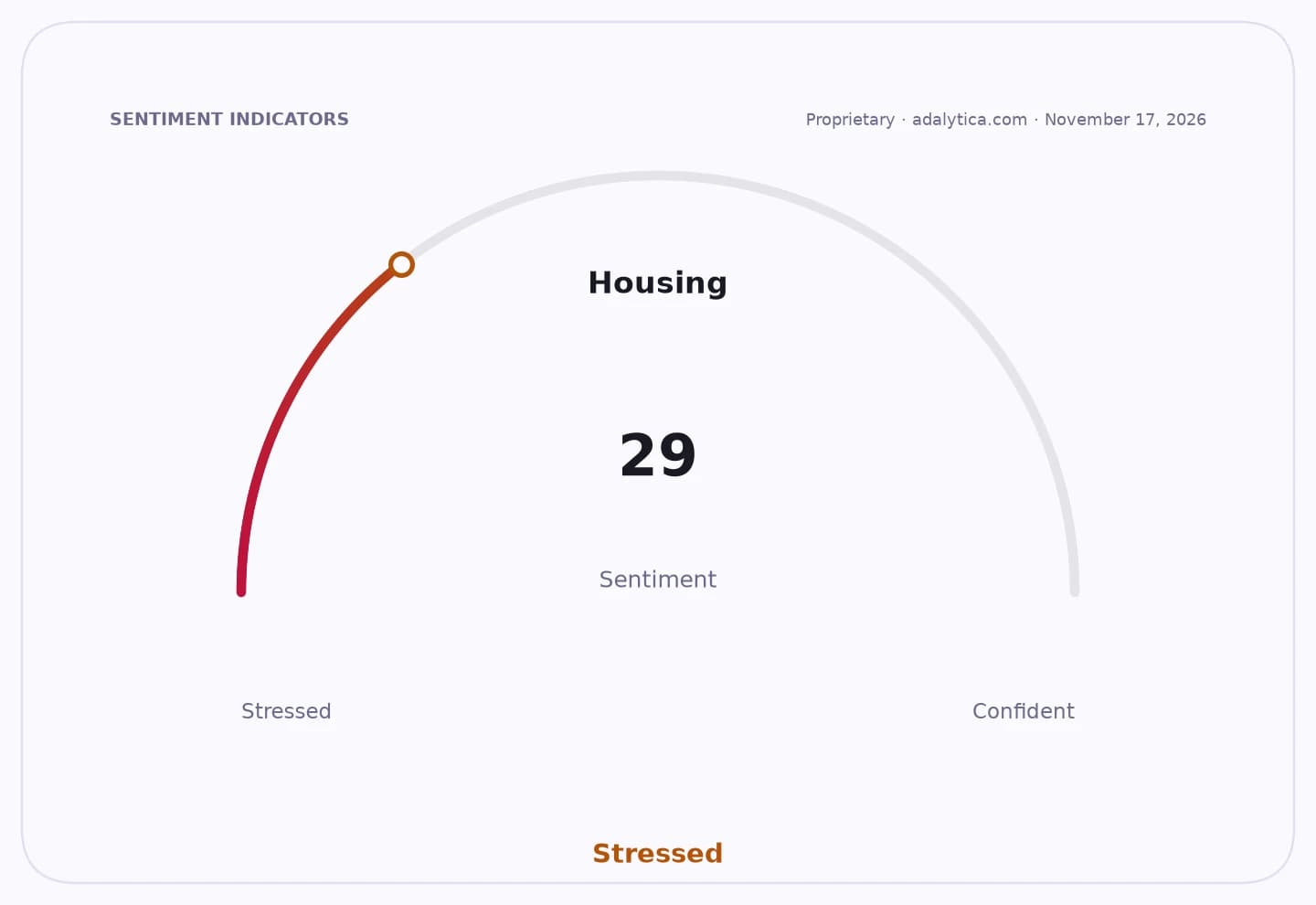
Housing
The Banking Regulation and Supervision Agency, known as BDDK, said borrowers who, or whose spouses or minor children, already have at least two homes will see the maximum mortgage they can take for a new purchase cut by 75% under existing loan-to-value rules. The restriction also applies to loans secured against residential property, putting a tighter leash on investors and affluent buyers who have been leaning on leverage to add to property portfolios.
Sentiment Indicators
That matters because housing finance is one of the few levers regulators still have when inflation, high borrowing costs and elevated home prices make ownership harder for first-time buyers. By reducing access to credit for multi-home owners, Ankara is trying to direct bank lending away from investment demand and toward households more likely to live in the homes they buy. In practical terms, that can cool prices at the margin, limit leverage in the property market and reduce the risk that housing becomes even more detached from local incomes.
For banks and mortgage lenders, the change is another sign that Turkey is keeping a firm hand on credit growth. Lenders have already been operating in a restrictive environment, and this rule adds another layer of underwriting pressure at a time when real estate lending is sensitive to policy shifts. For homeowners with existing property holdings, especially those using homes as collateral, the new rules will make expansion far more expensive and may force buyers to rely more on cash.
Investors should read this as a policy aimed at housing-market stability rather than a broad stimulus. It is unlikely to revive demand across the board; instead, it may reshape who gets credit and on what terms. That can be a headwind for speculative property activity, but it also supports the longer-term case for more disciplined lending and a healthier mortgage market.
The key question now is whether tighter lending will be enough to ease affordability without choking off legitimate demand. If housing inflation stays sticky, regulators may keep leaning on credit conditions. For investors watching Turkish banks, builders and the broader consumer economy, this is worth treating as a structural policy shift, not a one-off rule change.
| Entity | Gains | Losses |
|---|---|---|
| First-time buyers | ▲Better credit access over time | ▼None immediately |
| Multi-home owners | ▲Lower systemic leverage risk | ▼Mortgage capacity cut |
| Turkish banks | ▲Lower credit-risk buildup | ▼Slower mortgage growth |
| Housing market speculators | ▲Tighter market discipline | ▼Easier leverage removed |