Australia’s rental crisis has deepened to its worst level since 2012, giving the Greens fresh ammunition to demand an immediate national rent freeze and ongoing rent caps as households are forced to spend about 30% of income on rent.
Australia rental crisis deepens as Greens push rent freeze
The issue has moved from a cost-of-living complaint to a policy fight with direct macroeconomic consequences. When one-third of household income is being diverted to shelter, discretionary spending weakens, arrears risk rises and the burden of inflation is concentrated on renters rather than property owners. That makes housing policy a transmission channel for broader price pressures, not just a social issue.
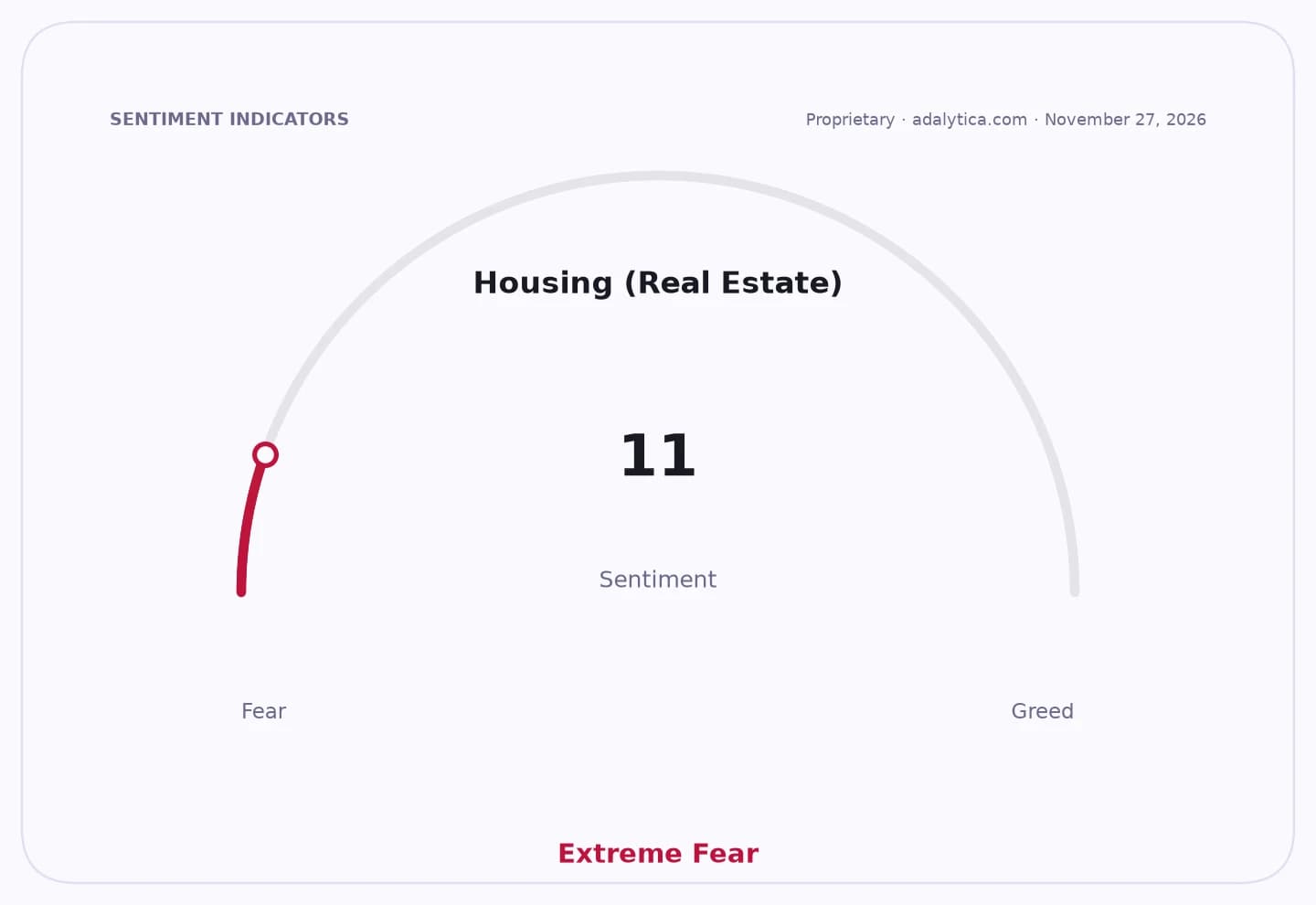
Sentiment Indicators
New data from the Rental Affordability Index show almost every Australian capital city is now rated unaffordable for renters, with Greater Sydney and Perth still the least affordable markets. The ACT, which introduced rent caps in 2019, was the outlier, with affordability improving by 4%, a result the Greens say proves price controls can work in practice.
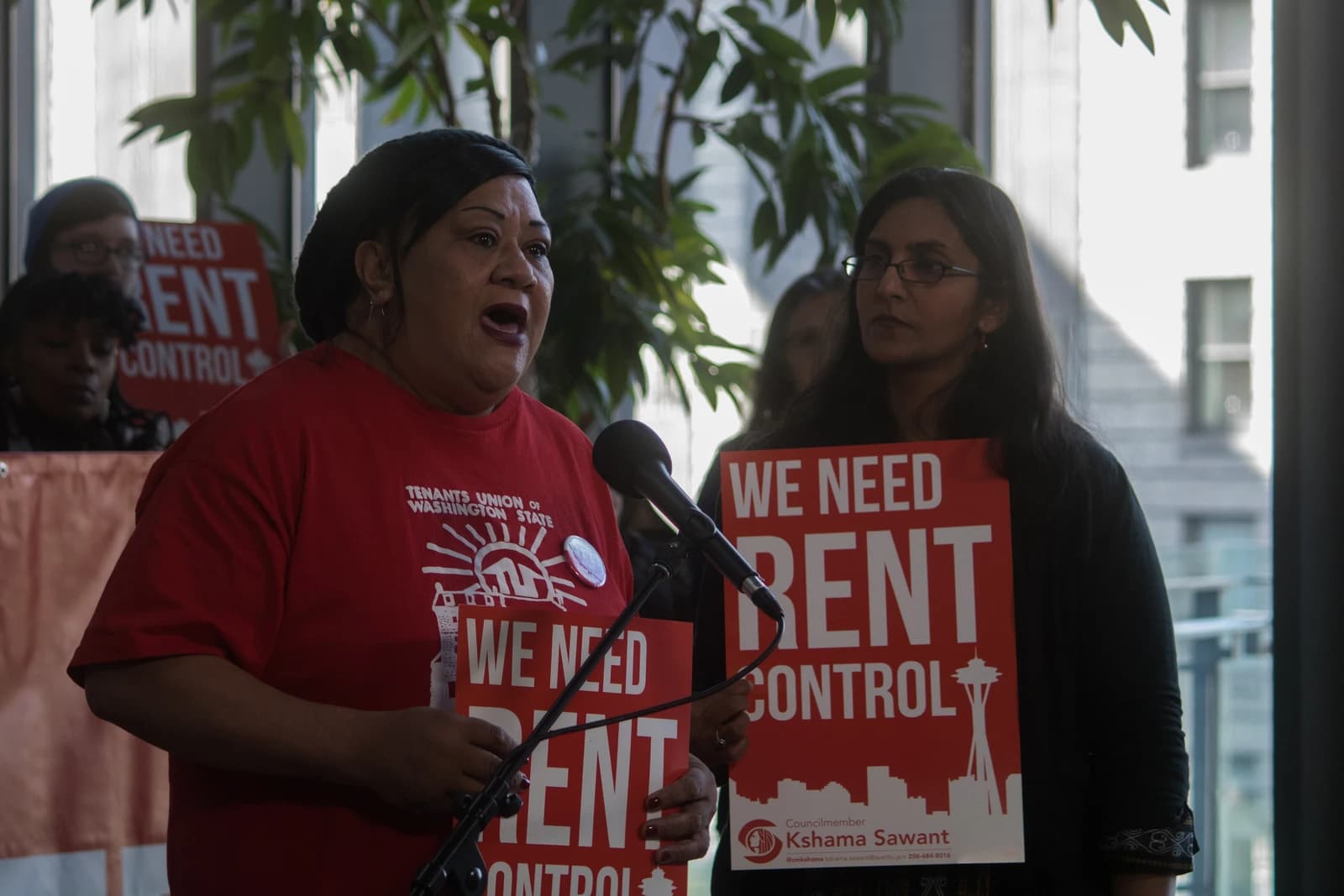
Senator Barbara Pocock said renters are being hit by an inflation shock they did not cause, arguing that real wages are falling while interest-rate increases are being passed through into rents. The political pitch is aimed squarely at Labor, which has resisted broad rent controls and has instead leaned on housing supply measures. The Greens are trying to force the debate toward direct intervention as the crisis worsens.
For investors, the stakes are highest in residential property markets, listed landlords and any policy linked to rental growth assumptions. A rent freeze would cap revenue growth for landlords and could hit sentiment toward housing-related assets, especially in markets where cash-flow assumptions rely on continuing rent increases. The longer-term counterargument is that caps can discourage supply and maintenance, potentially tightening the market further if not paired with public housing expansion.
The policy clash also lands against a global backdrop of housing affordability strain, where governments are increasingly willing to test interventions once considered politically unworkable. In Australia, the immediate question is whether a worsening rental burden and falling real wages will push Canberra toward more aggressive market restraints, or whether officials will stick to supply-side reform and leave tenants to absorb the pressure.
| Entity | Gains | Losses |
|---|---|---|
| Renters | ▲Lower housing costs | ▼Rent increases |
| Landlords | ▲Higher rental income | ▼Policy caps |
| Australian government | ▲Political control if action taken | ▼Pressure if inaction continues |
| Listed residential landlords | ▲Stable demand | ▼Revenue growth limits |