Unpaid rent in France has fallen to its lowest level since 2023, a rare sign of stability in a housing market still defined by shortages and weak turnover that is reshaping the balance of power between landlords and tenants.
France rent arrears fall to lowest since 2023
At online property manager Monsieur Hugo, the late-payment rate has dropped to 2.3%, while Imodirect says arrears of more than one month are down to 3%, from 3.5% a year earlier. The improvement matters because rent collection is a direct cash-flow driver for landlords and a key risk metric for property managers, particularly in a market where higher borrowing costs have already squeezed returns and made reliable income more valuable.
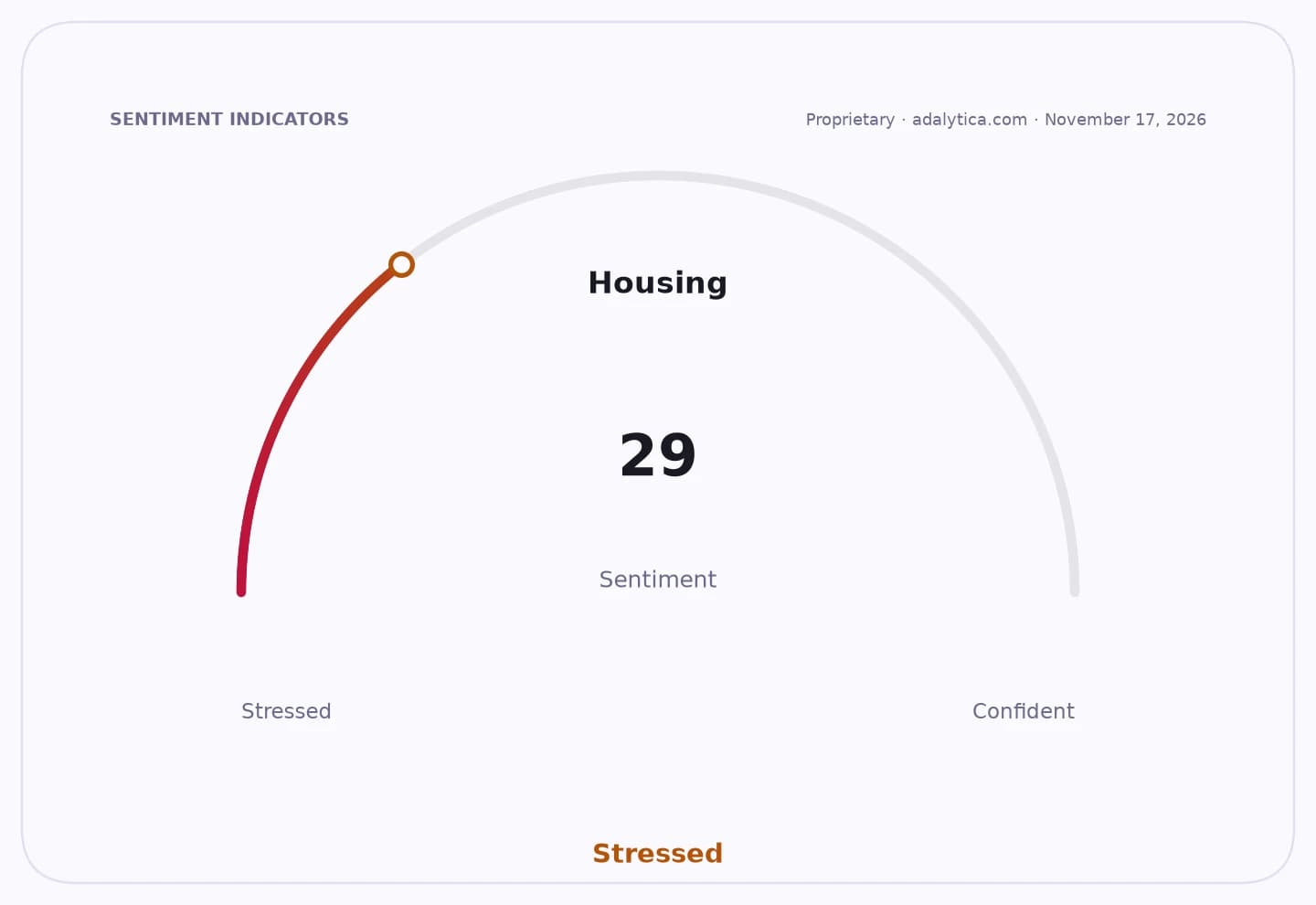
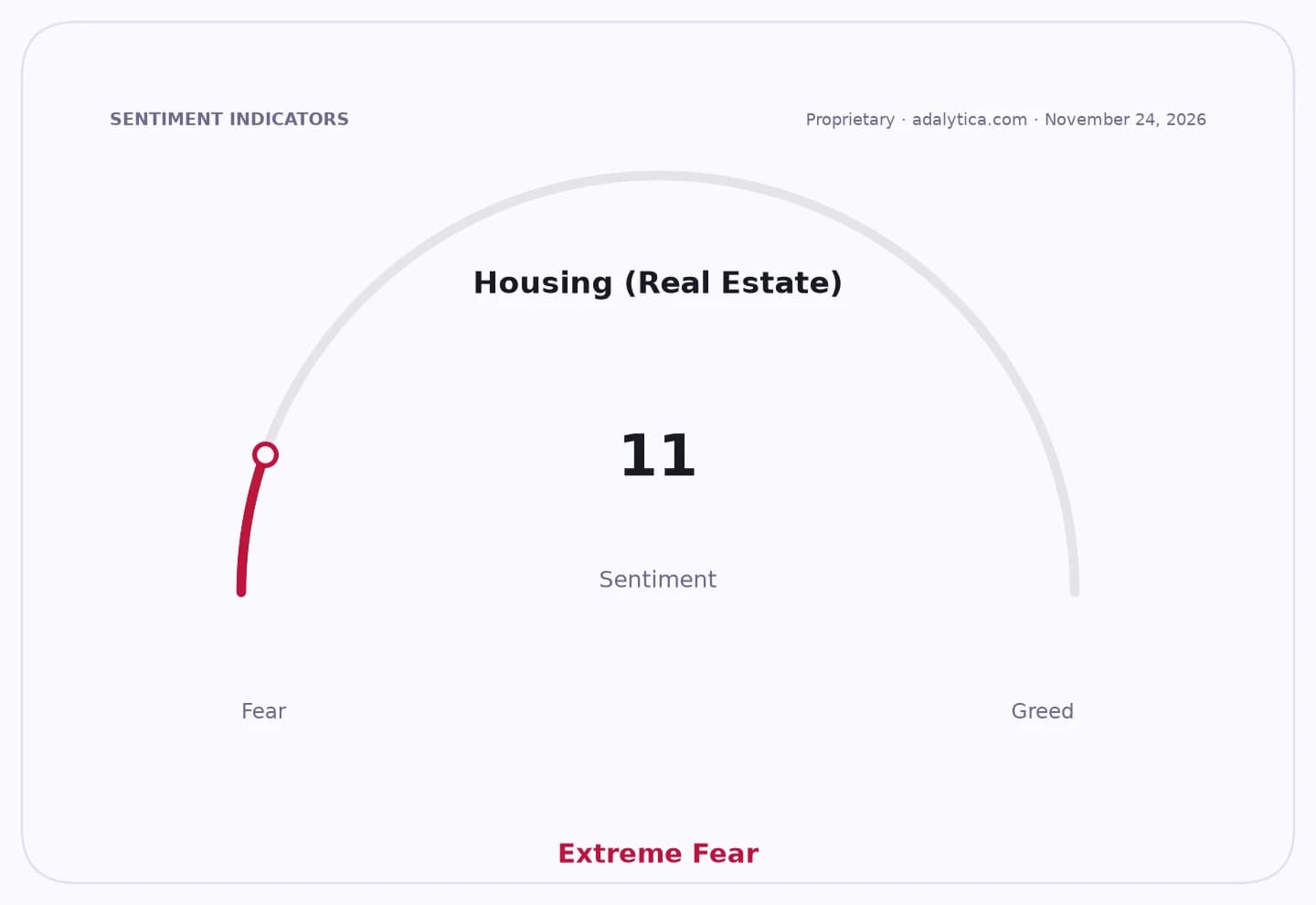
Sentiment Indicators
The drivers point to a market that is working differently from the usual delinquency cycle. Arnaud Hacquart, president of Imodirect, said the housing shortage is making tenants more cautious about missing payments because they know replacement accommodation is hard to find and eviction risk is higher. That low rotation also helps: arrears tend to cluster at the start of leases, and once tenants remain in place longer, they have more incentive to protect the tenancy and regularize payments quickly.
For investors, the message is mixed but important. Lower arrears support rental income visibility and reduce bad-debt provisions, which is positive for landlords and platforms that manage large portfolios of small-unit housing. But the same shortage underpinning better collections also limits tenant mobility and can sustain rent inflation, keeping affordability pressures elevated and raising political risk for the sector.
A second factor is tenant screening. Managers say they are tightening checks because artificial intelligence has made document fraud easier. Imodirect says 24% of applications in Paris contain at least one falsified document. That does not automatically translate into chronic non-payment, but it shows the market is becoming more selective at the front end, which may reduce arrears while also excluding some applicants and reinforcing access constraints.
The broader takeaway is that France’s rental market is being disciplined less by regulation than by scarcity. For landlords, that supports cash flow and lowers near-term credit risk. For tenants, it means fewer alternatives, stricter screening and less bargaining power. The next test will be whether arrears remain contained if the labor market softens or if rent pressures intensify enough to strain household budgets.
| Entity | Gains | Losses |
|---|---|---|
| Landlords | ▲Better rent collection | ▼Less tenant turnover income |
| Property managers | ▲Lower arrears risk | ▼Higher screening costs |
| Tenants with strong files | ▲Easier lease retention | ▼Less mobility |
| Renters with weak files | ▲— | ▼Stricter access, higher rejection risk |