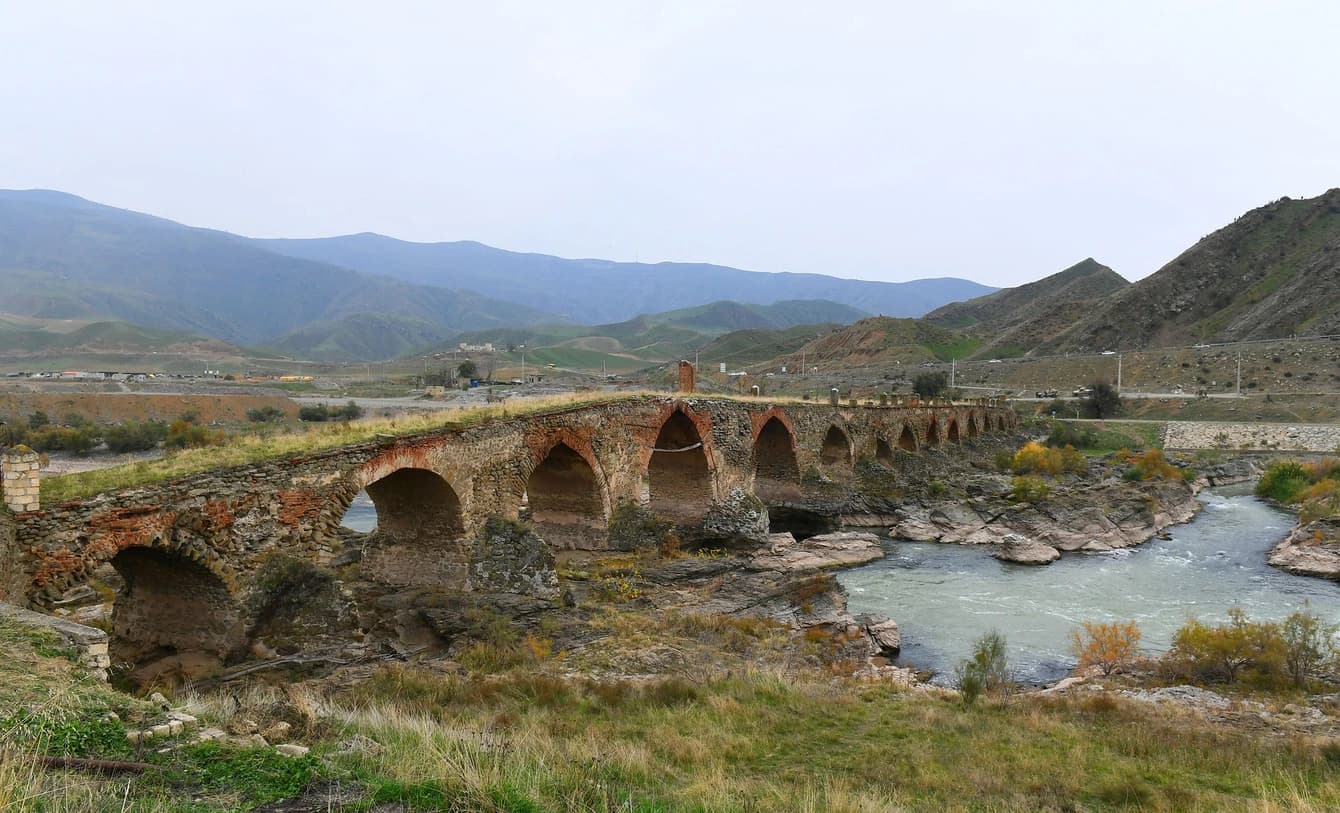
The Trump-backed transport route through Armenia could give Washington a military foothold on Iran’s northern frontier, a geopolitical shift that would sharpen tensions across the South Caucasus and raise the strategic value of defense assets tied to the corridor.
Armenia corridor could raise defense demand
Russian officials are already treating the proposal as more than a trade lane. Alexey Shevtsov, a deputy secretary of Russia’s Security Council, said the so-called “Trump route” could allow the West — including U.S. troops, private military contractors and intelligence infrastructure — to be deployed directly in Armenian territory “in the immediate vicinity” of Iran’s border. That is exactly why the market should care: the route is no longer just about logistics between Armenia and Azerbaijan. It is about who controls access, surveillance and power projection in one of the world’s most sensitive borderlands.
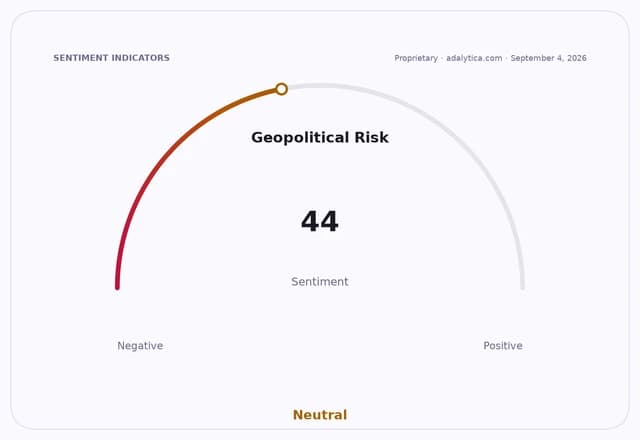
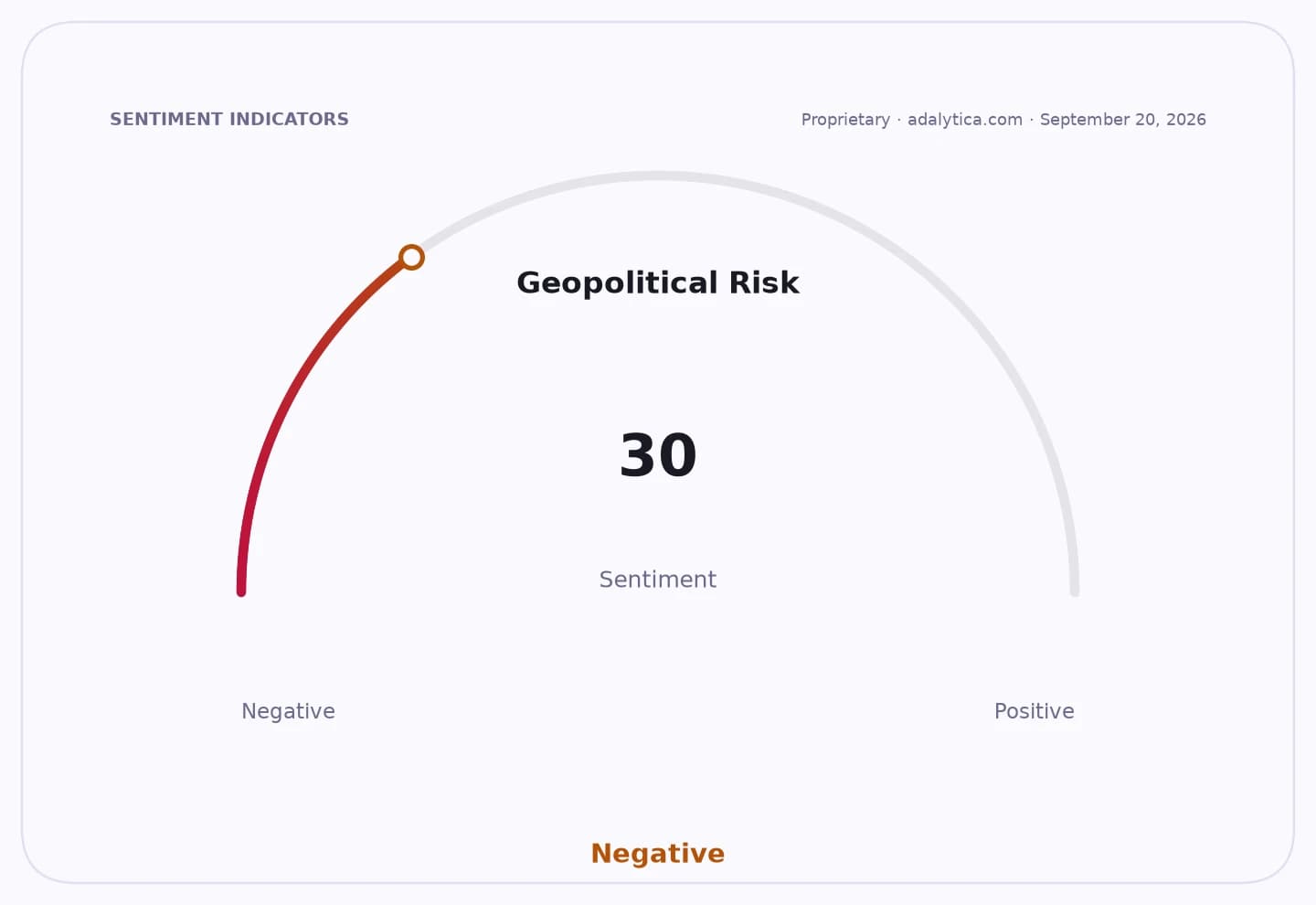
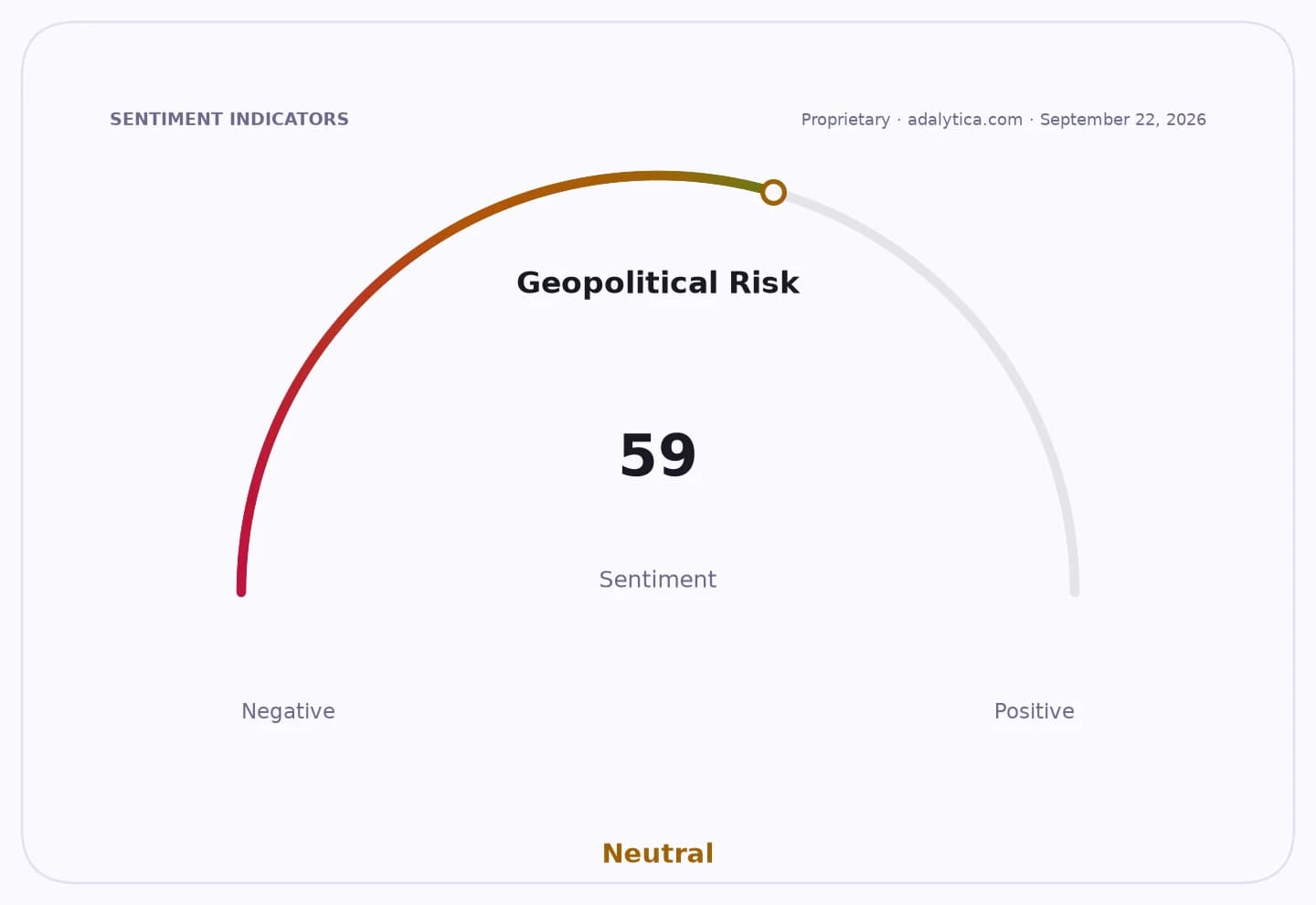
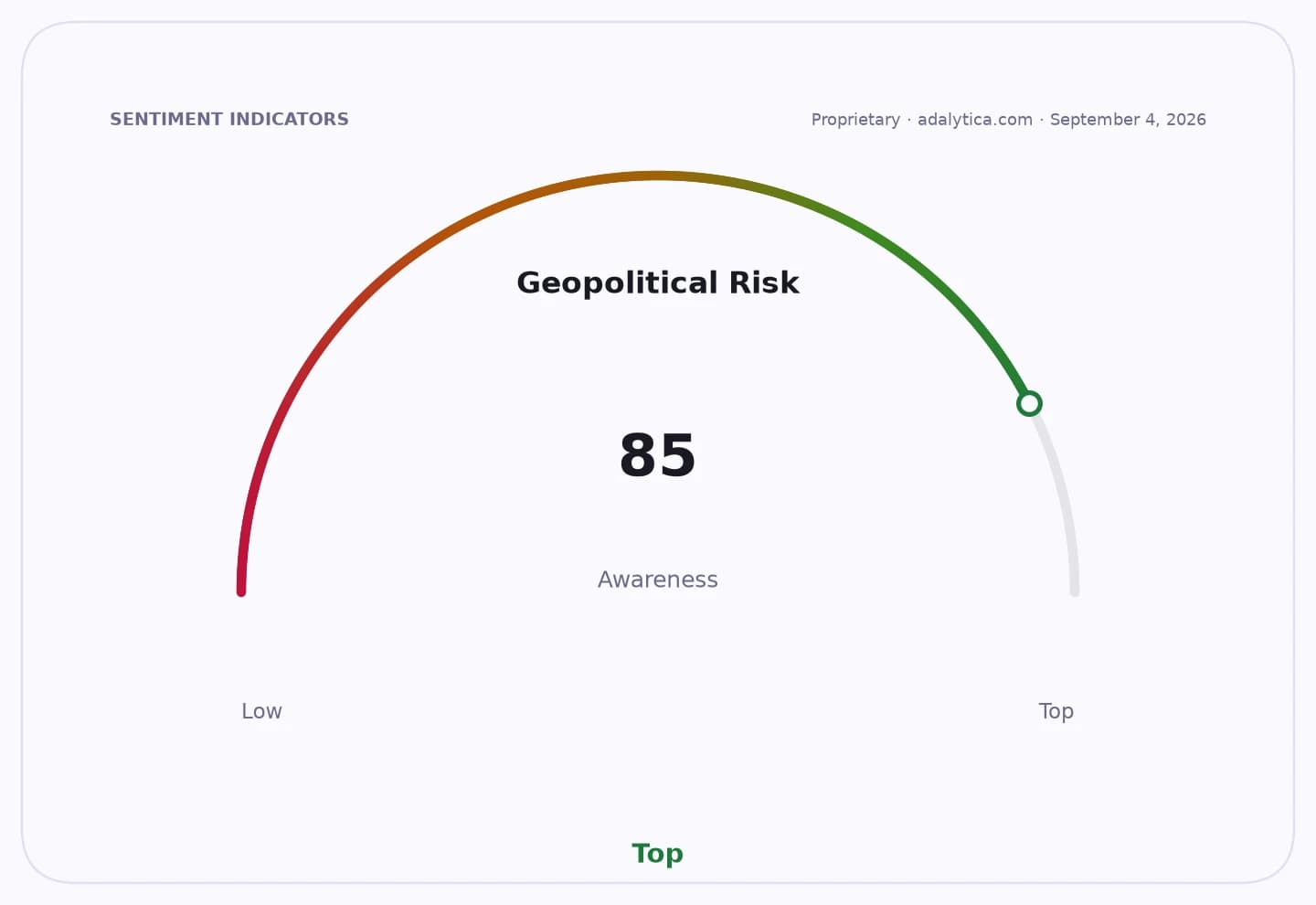
For investors, the first-order impact is a higher geopolitical risk premium around the wider Black Sea-Caspian corridor and the energy and defense systems that support it. Any durable U.S. presence near Iran would reinforce demand for missile defense, ISR, secure communications and military logistics — the kind of spending that tends to flow toward prime contractors with exposure to air defense and regional deterrence. That helps explain why defense stocks have remained bid even as broader markets wobble: investors are paying for a world where flashpoints are multiplying, not receding.
The technical setup in the defense group underscores that message. Lockheed Martin has pulled back to about $528, below both its 50-day and 200-day moving averages, after trading above $600 earlier this summer, while momentum indicators have weakened sharply. Northrop Grumman has also slipped to roughly $523, near its 200-day average after a steep reset from above $760 in March. RTX, by contrast, is holding near $201 and still sits well above its 200-day average, suggesting the market is favoring names with steadier execution and broader mission-system exposure. In other words, the trade is becoming selective, not abandoned.
Geopolitical Risk — 30-day sentimentadalytica.com
Explore this data interactively — full history, time series and cross-market comparisons.Open AlphaPulse
The broader story is that Armenia is being pulled into a contest between Russia, the United States and Iran at the exact moment it is trying to balance ties with Moscow and its EU ambitions. Putin has already warned Yerevan that it cannot fully straddle the EU and the Eurasian Economic Union, threatening economic consequences if it moves too far west. That raises the stakes for the route: if Armenia leans toward Washington-backed infrastructure, Russia can retaliate through trade, while Iran will view the corridor as a direct security threat.
That makes the investment case more durable than a one-day headline reaction. The market underestimates how often geopolitical corridors become permanent capex themes: roads, rail, border security, surveillance, drones, air defense and command networks all require years of spending. I believe the best way to position is not to chase the headline, but to own the picks-and-shovels of escalation — defense primes, border-security enablers and logistics infrastructure that benefit whether the route becomes a commercial artery or a military flashpoint.
The next catalyst is political, not financial: any concrete move on the Armenia corridor will force Washington, Moscow and Tehran to reveal how far they are willing to go. When that happens, defense budgets and risk assets in the region will reprice fast. The opportunity is in being early.
| Entity | Gains | Losses |
|---|---|---|
| U.S. defense contractors | ▲Higher demand for missile defense and ISR | ▼Budget visibility only |
| Russia | ▲Leverage over Armenia’s alignment | ▼Influence if corridor advances |
| Iran | ▲None | ▼Security pressure near border |
| Armenia | ▲Transit relevance and Western backing | ▼Sovereignty and trade risk |