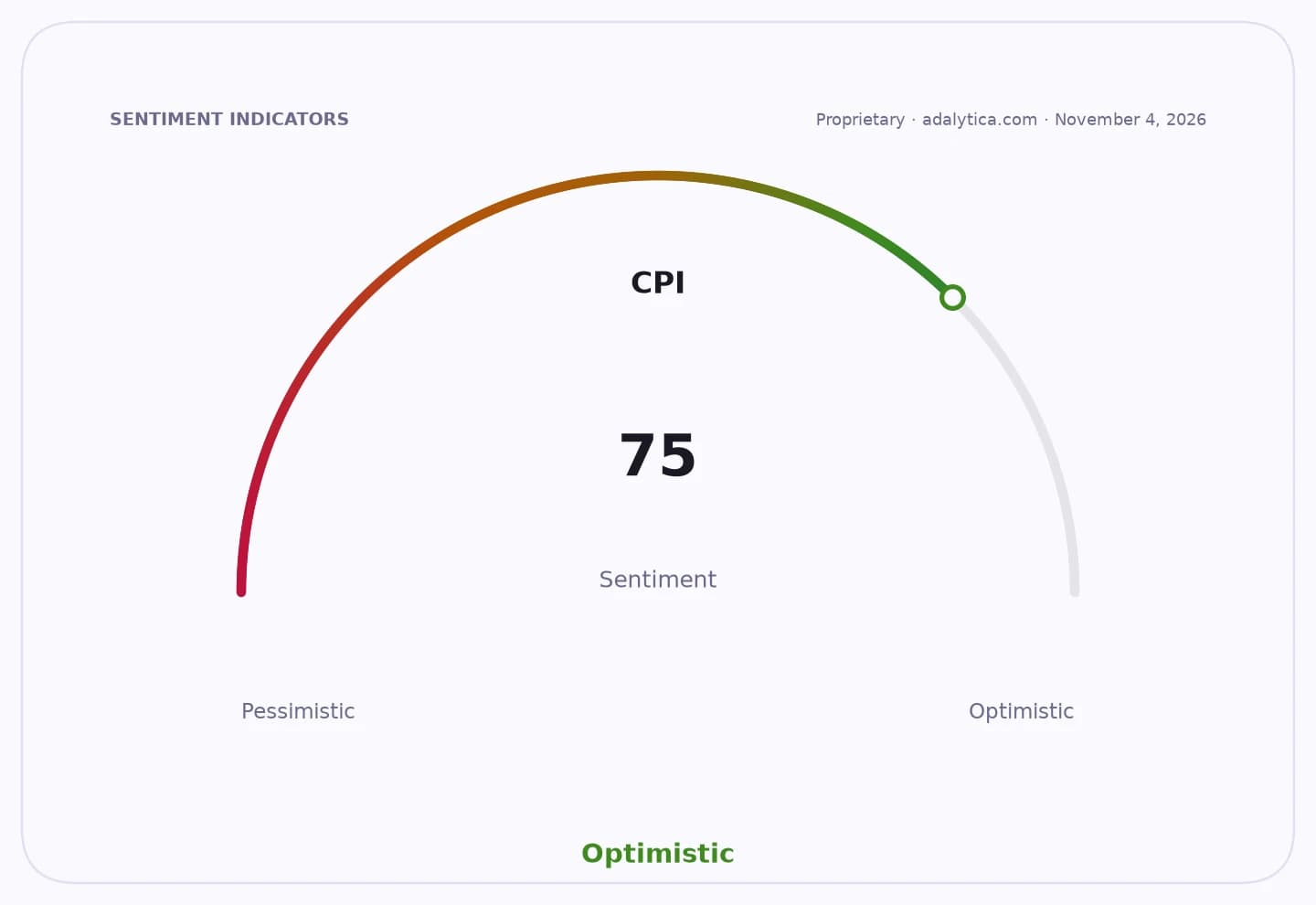
A 10% increase in gas prices would lift inflation by another 0.8%, Armenia’s central bank chief said, underscoring how quickly energy costs can spill into the broader economy and complicate the policy outlook.
Armenia Central Bank Warns on Gas Price Inflation

That matters because gas is not just a household utility bill. In Armenia, it feeds directly into consumer prices and indirectly into transport costs, electricity production and the price of goods made by energy-intensive industries. Central bank chairman Martin Galstyan said the direct hit from a 10% tariff increase would be about 0.6 percentage point, with another 0.1% to 0.2% coming from related sectors. In other words, a move in one regulated energy price could push inflation well beyond the headline number many households see at the pump or on their heating bill.
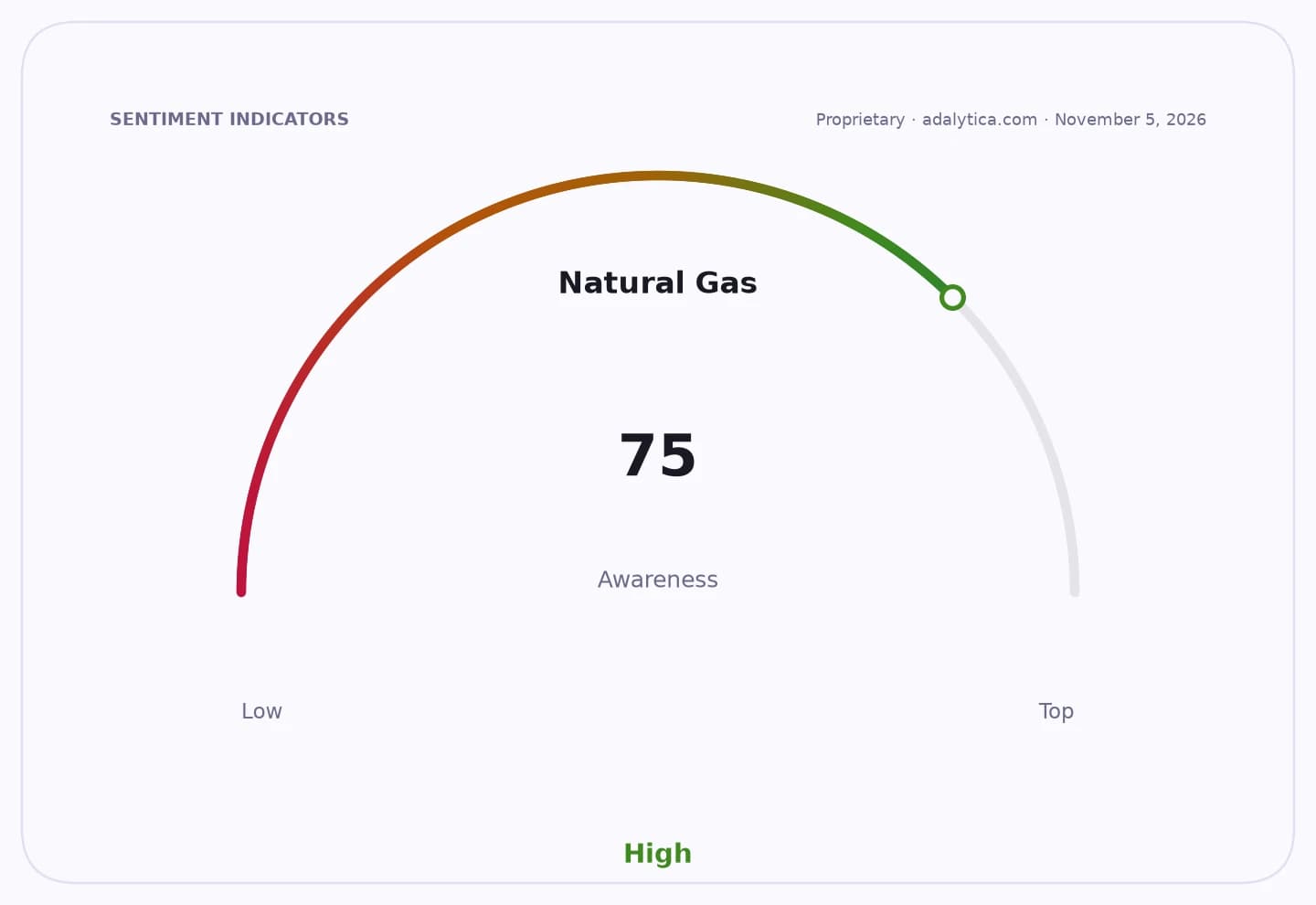
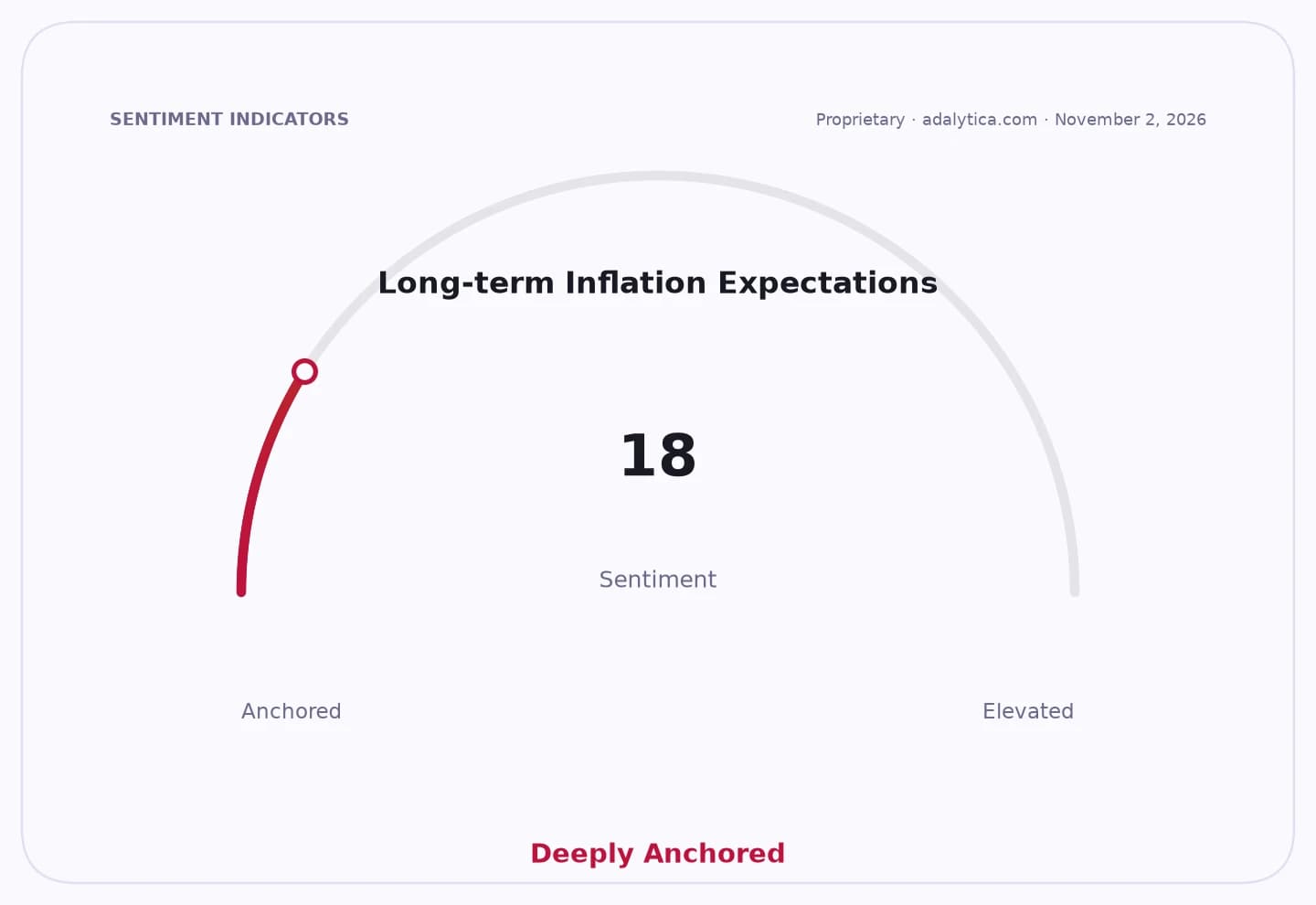
Sentiment Indicators
For investors, the message is simple: energy inflation remains one of the fastest ways for a small, import-dependent economy to lose price stability. If gas costs rise, the central bank may have less room to ease policy, which can keep borrowing costs elevated for longer and weigh on consumer demand. It also raises the odds of more volatility in local assets tied to spending, utilities and fuel-sensitive industries.
The broader pattern is not unique to Armenia. Across markets, energy prices are once again doing the heavy lifting on inflation, from gasoline and jet fuel to cooking gas and electricity inputs. That is a reminder that when crude and gas move sharply, central banks often face a second-round problem: they are not just fighting a temporary price spike, but the way that spike filters through wages, freight, manufacturing and expectations.
Galstyan also said there is no clear visibility yet on future gas pricing, which means policymakers cannot build a firm scenario around the move. For investors, that uncertainty is the real story. Inflation forecasts can shift quickly when energy pricing is opaque, and that makes disciplined, long-term positioning more important than trying to trade every swing in fuel markets.
| Entity | Gains | Losses |
|---|---|---|
| Gas suppliers | ▲Higher revenues | ▼Consumer pushback |
| Armenian consumers | ▲None | ▼Higher living costs |
| Central bank | ▲Policy focus | ▼Less room to ease |
| Energy-sensitive businesses | ▲Pass-through potential | ▼Margin pressure |