ArtCraft’s debut is a direct challenge to two of the software market’s most lucrative subscription engines, and that makes it more than a curiosity for designers and office workers hunting for free alternatives. If Brandon Thomas’s open-source suite can move beyond experimentation, it could pressure Adobe’s Creative Cloud and chip away at Microsoft’s productivity moat by giving users local, no-account tools that mimic familiar workflows without monthly fees.
ArtCraft Challenges Adobe and Microsoft Software Models
The economic significance is straightforward: software that once required a recurring license is being repackaged as free, AI-assisted and open source. That matters because it attacks one of the highest-margin models in tech, where customers pay for access, updates and cloud integration rather than ownership. ArtCraft’s pitch — desktop apps for Windows, macOS and Linux, plus browser versions, with local operation and no user account required — lands squarely in the middle of growing resistance to subscriptions and cloud lock-in.
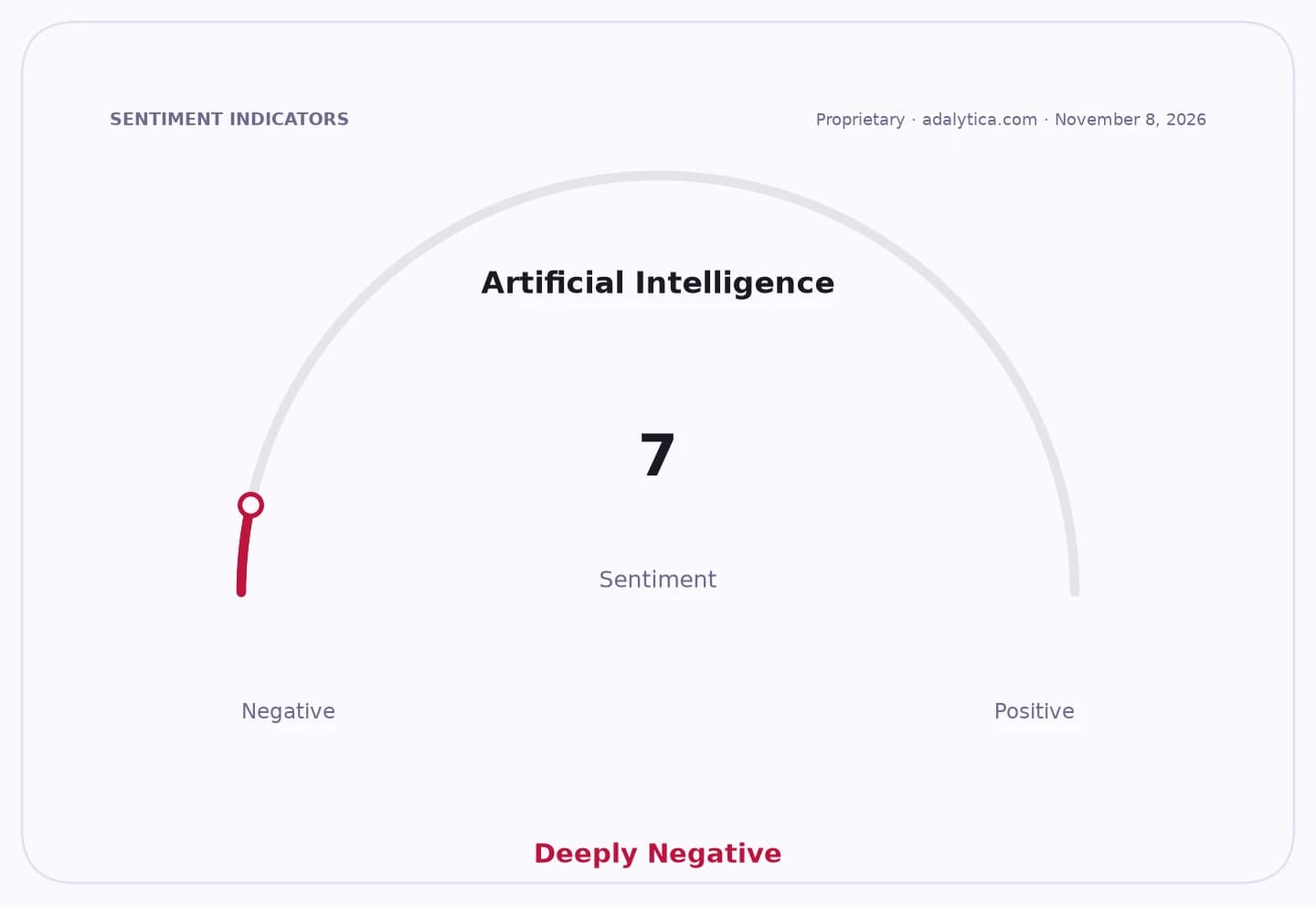
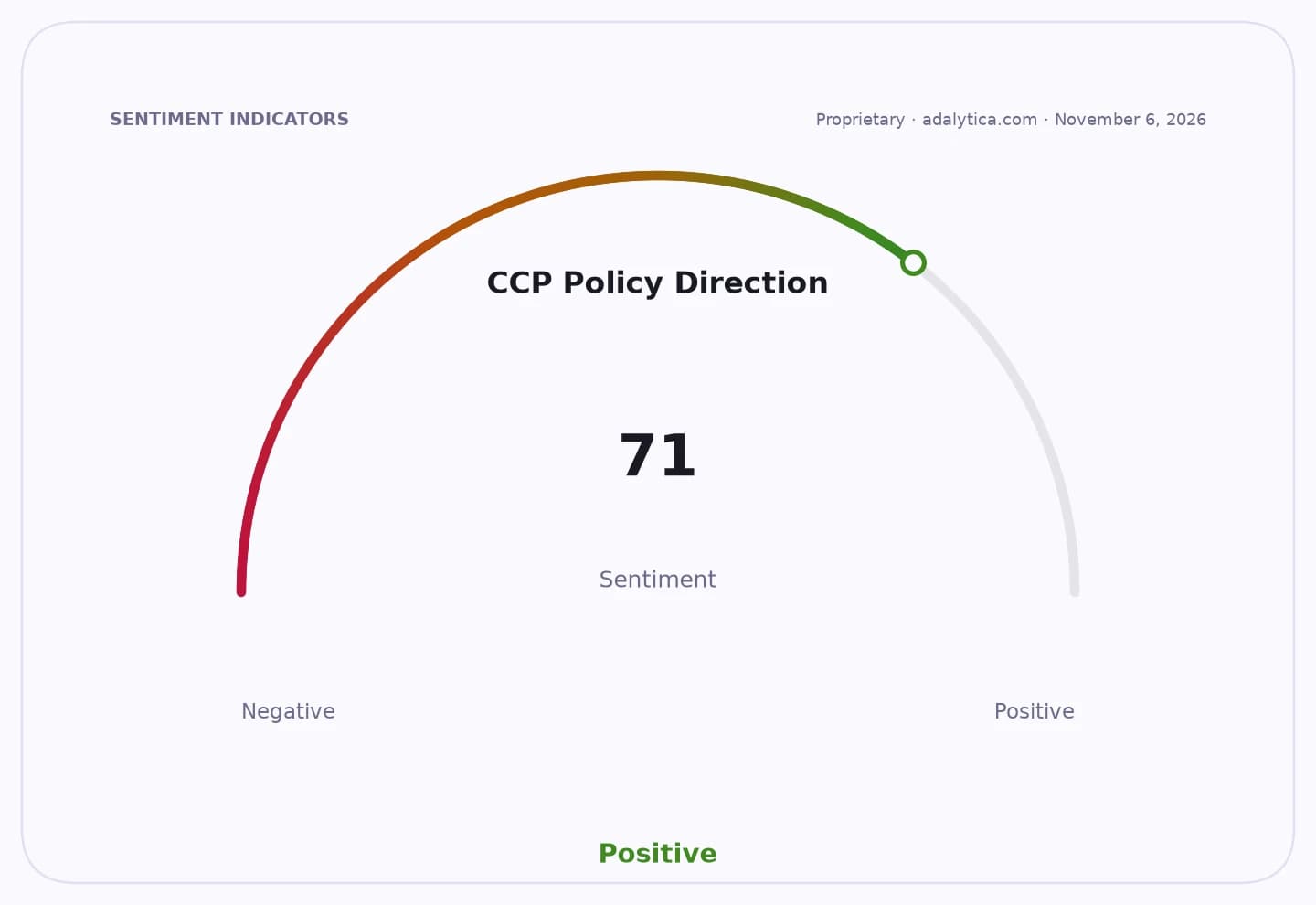
Sentiment Indicators
The project is ambitious in scope. ArtCraft includes 13 apps, from PhotoCraft and VectorCraft to FilmCraft, WordCraft, GridCraft and DeckCraft, with tools designed to look and feel familiar through shared menus, keyboard shortcuts and interfaces. It was built in Rust with help from Anthropic’s Claude Opus 5.5, a reminder that AI coding tools are now compressing the time and cost needed to launch software products that once would have taken far larger teams.
But the market should not confuse reach with readiness. Early testing has already flagged weaknesses, including missing Photoshop plug-in and scripting support, while reviewers described parts of the suite as unusable. The comparison set is also unforgiving: GIMP, Inkscape, Krita and the free version of DaVinci Resolve already offer more mature alternatives in key categories. For now, ArtCraft looks less like an Adobe killer than an accelerant for a broader shift toward lower-cost, locally controlled software.
Artificial Intelligence vs ADBEadalytica.com
Explore this data interactively — full history, time series and cross-market comparisons.
The legal question is the one investors should watch most closely. Thomas says the project is a clean-room reimplementation based on public specifications and observed behavior, but reporting has raised questions about whether reverse engineering played a role. That distinction matters because copyright and IP disputes can quickly turn a disruptive open-source project into a legal overhang, especially if the design language, features or workflows are judged too close to Adobe’s originals.
Adobe shares have already shown how sensitive the market is to growth and margin narratives, with the stock recently trading well below its highs even as technicals have remained volatile and the 50-day and 200-day moving averages have converged in the mid-200s. Microsoft, meanwhile, has benefited from AI enthusiasm and a strong rebound in its shares, but it is not immune to the same open-source pressure that ArtCraft represents. Adalytica’s AI sentiment gauges show elevated interest in both names, suggesting investors are already focused on the next battleground: whether generative tools widen the moat for incumbents or make it easier for challengers to clone core functionality.
My view is that the real opportunity is not to bet on ArtCraft becoming the next Adobe. It is to recognize that AI is lowering the barrier to entry across creative and productivity software, which can compress pricing power, slow subscription growth and force incumbents to lean harder on enterprise features, cloud services and workflow integration. That is where the asymmetry lies: the biggest winners may be the broader open-source ecosystem, AI coding platforms and infrastructure players that enable this wave, while Adobe and other premium software vendors are left defending the right to charge for convenience.
| Entity | Gains | Losses |
|---|---|---|
| ArtCraft / open-source tools | ▲User adoption, visibility | ▼Legal scrutiny, feature-gap criticism |
| Adobe | ▲Installed base defense from incumbency | ▼Subscription pressure, margin risk |
| Microsoft | ▲AI ecosystem relevance if users stay in Office | ▼Low-cost productivity substitutes |
| Open-source ecosystem | ▲More contributors, faster adoption | ▼Monetization remains limited |