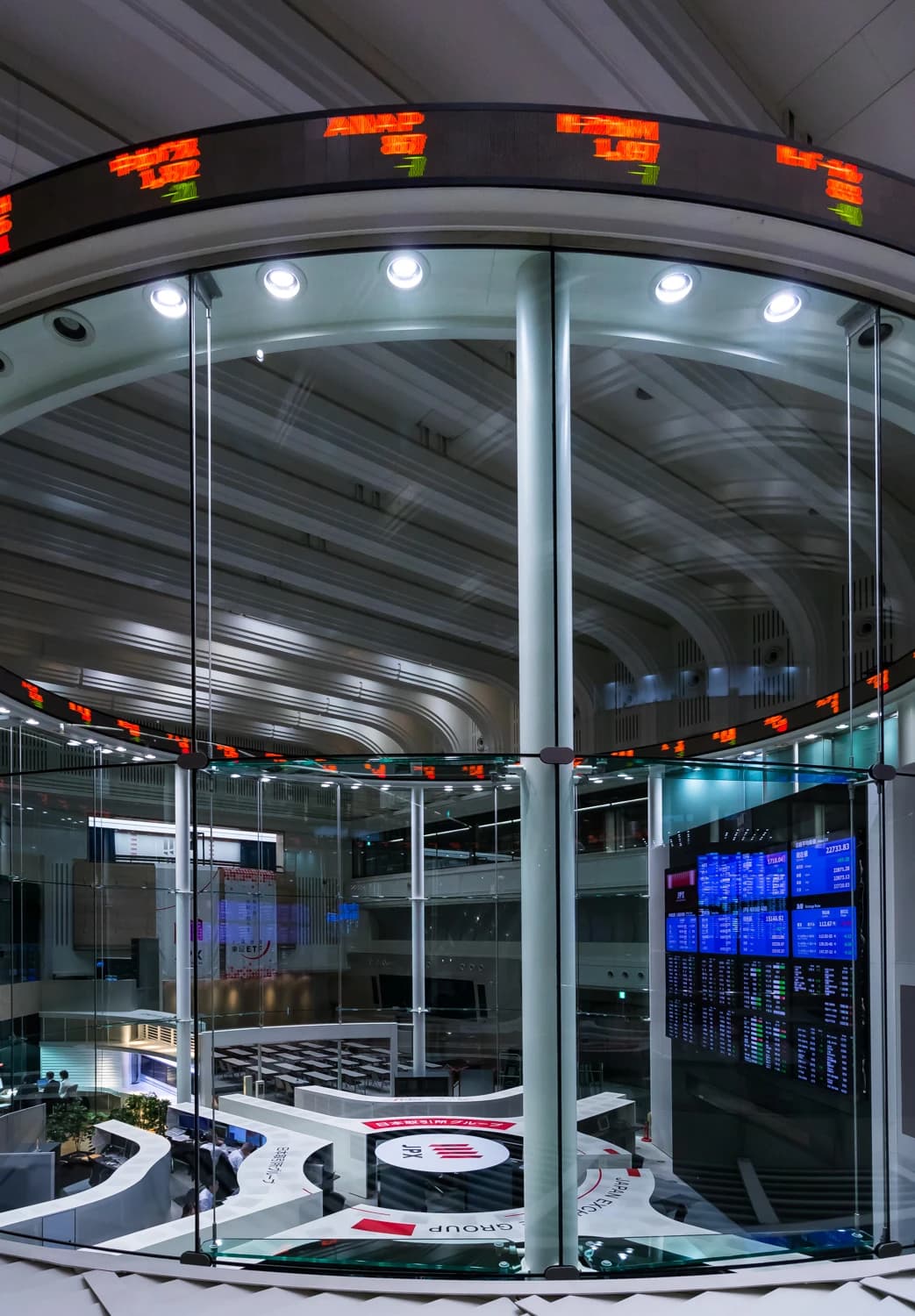
Asia’s most AI-sensitive stock markets are getting hit first, and the speed of the retreat is a warning shot for global growth investors: if enthusiasm for artificial intelligence capex fades, the pain does not stay confined to the U.S. tech complex. The Nikkei 225 and South Korea’s Kospi fell about 4.5% in morning trade on Friday, while Taiwan’s Taiex dropped almost 6%, after a sharp Wall Street selloff and fresh concern that the AI spending boom may be running ahead of itself.
Asia AI stocks fall on capex and export worries
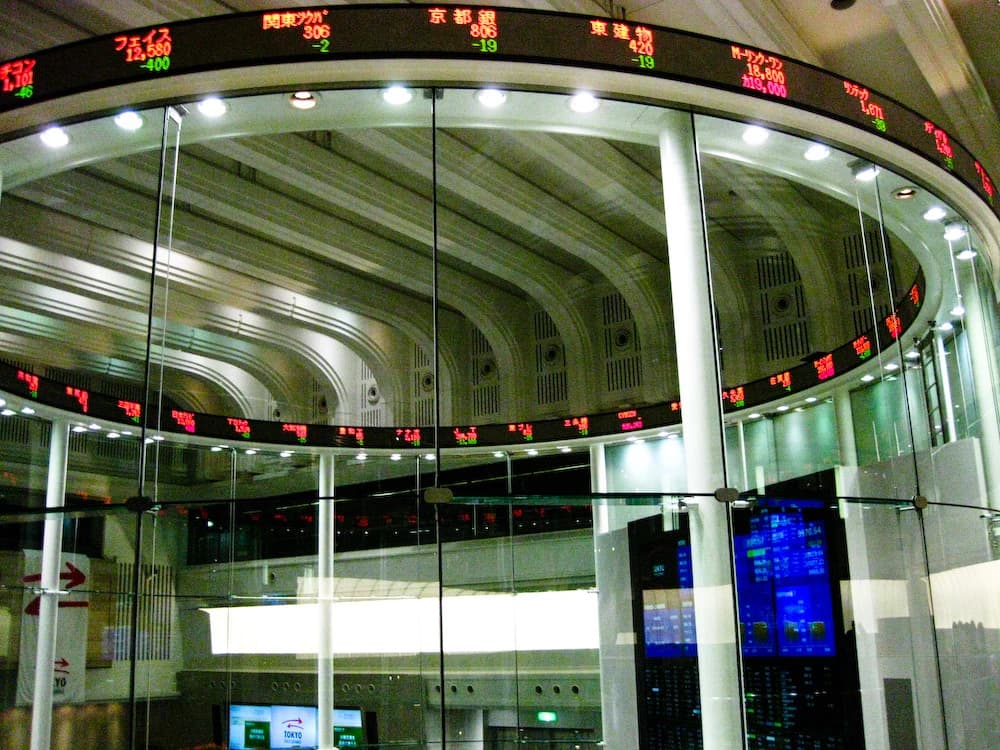
That matters because Asia sits at the center of the AI hardware trade. Taiwan and South Korea are home to the chipmakers, memory producers and foundry capacity that have powered the sector’s rally, while Japan has been a major beneficiary through equipment, automation and investment themes tied to the data-center buildout. When those markets are leading the downside, it is usually a sign that investors are reassessing the whole earnings chain, from chip demand to cloud spending to the returns on massive data-center investment.
Sentiment Indicators
The trigger was a brutal session on Wall Street, where the Nasdaq Composite fell 2.3% and the S&P 500 lost about 2% on Thursday. That came even as a new AI listing debuted, underscoring the market’s sharper focus on valuation and sustainability rather than just the next big headline. A separate headwind came from new U.S. export rules on AI chips, which could further complicate sales and deployment plans for companies serving Chinese developers through third countries, especially in Southeast Asia.
For investors, the key question is whether this is a healthy reset or the start of a broader de-rating in the AI complex. The answer will likely depend on whether earnings and capex keep matching the scale of the story. Gartner still sees AI investment reaching $2.7 trillion in 2026 and $3.6 trillion in 2027, but the market is increasingly asking who finances that spend, who captures the margin, and how quickly the returns show up. That is the exact point at which momentum turns into discrimination.
The damage is already visible in the region’s exchange-traded proxies. Japan’s EWJ has slid to 87.01 on Nov. 19 from 97.93 in late September, while South Korea’s EWY closed at 134.59, down from 188.72 in September, after a steep pullback from this year’s highs. Taiwan’s EWT has also been cut hard, ending at 83.96 on Nov. 19 versus 110.91 in September. Standard technical indicators across those funds show the pressure is not just narrative-driven: the shares are trading below their 50-day moving averages, with RSI readings in the low 30s, a pattern consistent with sustained risk-off flows rather than a one-day shakeout.
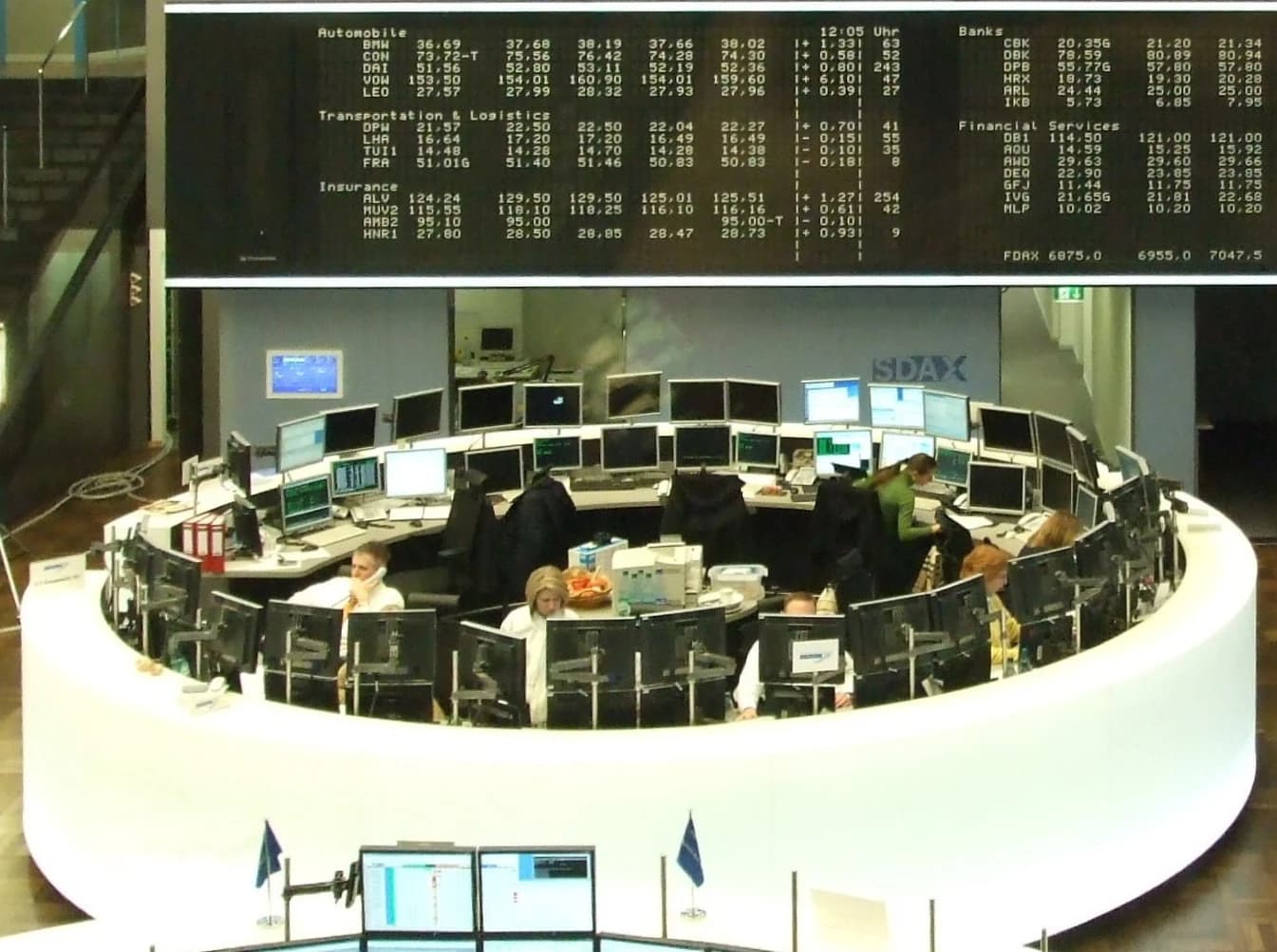
Europe is not insulated. The DAX fell for a fifth straight session on Thursday to 25,463.96, and the German market is entering Friday with its own fragile setup. If Asia’s chip-led slump spills into European equities, suppliers, industrials and auto names tied to the global semiconductor cycle could see another leg lower, especially with investors already questioning whether AI enthusiasm has outrun fundamentals.
The trade from here is not to abandon AI, but to be more selective. The market is starting to punish the obvious winners and reward businesses with real pricing power, balance-sheet strength and direct exposure to infrastructure rather than speculation. That creates an opening in the less crowded parts of the AI ecosystem — power, cooling, networking, grid equipment, data-center infrastructure and select semiconductor tools — while the most crowded AI hardware names may need a valuation washout before they become attractive again. In other words, the selloff is not a reason to exit the megatrend; it is a reason to own the toll roads instead of the most expensive toll booths.
| Entity | Gains | Losses |
|---|---|---|
| AI infrastructure suppliers | ▲Long-term capex demand | ▼Near-term valuation pressure |
| Japan, South Korea, Taiwan equities | ▲Defensive positioning in a reset | ▼Heavy selling in chip-led indices |
| Export-restricted chip vendors | ▲Fewer China-linked surprises | ▼Compliance risk and demand uncertainty |
| DAX industrials and tech | ▲Selective dip buyers | ▼Spillover from global risk-off sentiment |