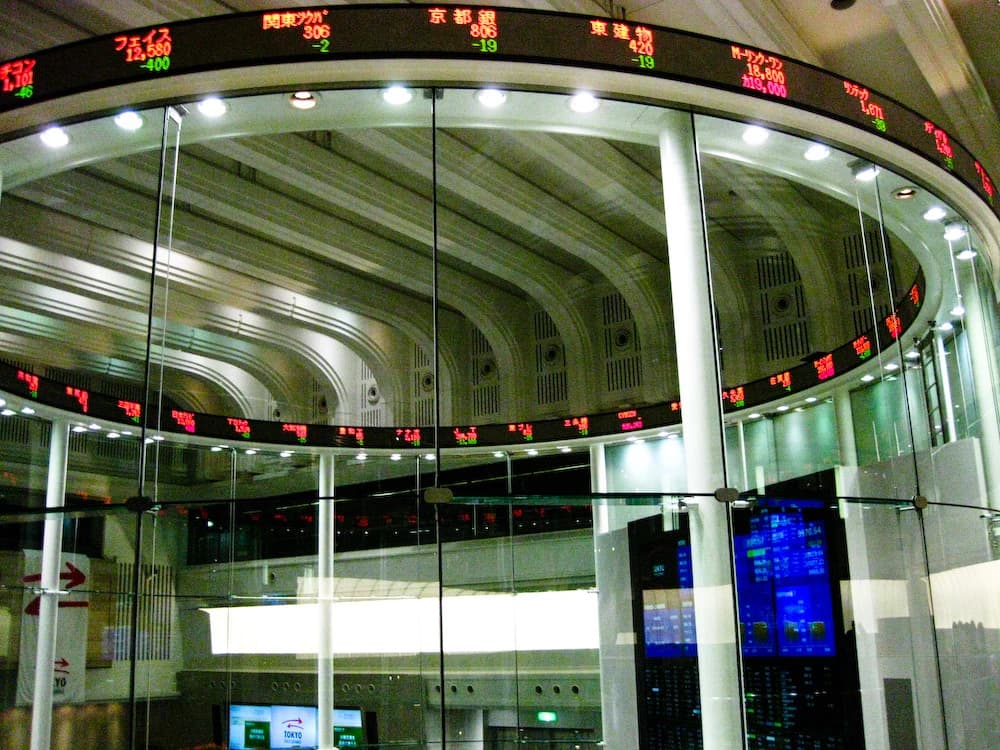
Asian equity markets were hit hard by a wave of selling in technology shares as investors reassessed the durability of the AI trade and cut exposure to some of the region’s biggest winners.
Nvidia, TSMC, Alibaba fall as Asian tech sells off

The retreat matters because tech has been doing the heavy lifting for Asian indices for much of the year, and the latest leg lower is now forcing a broader rethink of earnings momentum, valuation support and capital spending plans across the semiconductor and internet complex. When the market’s most crowded growth names start falling together, the damage rarely stays confined to one sector.
Sentiment Indicators

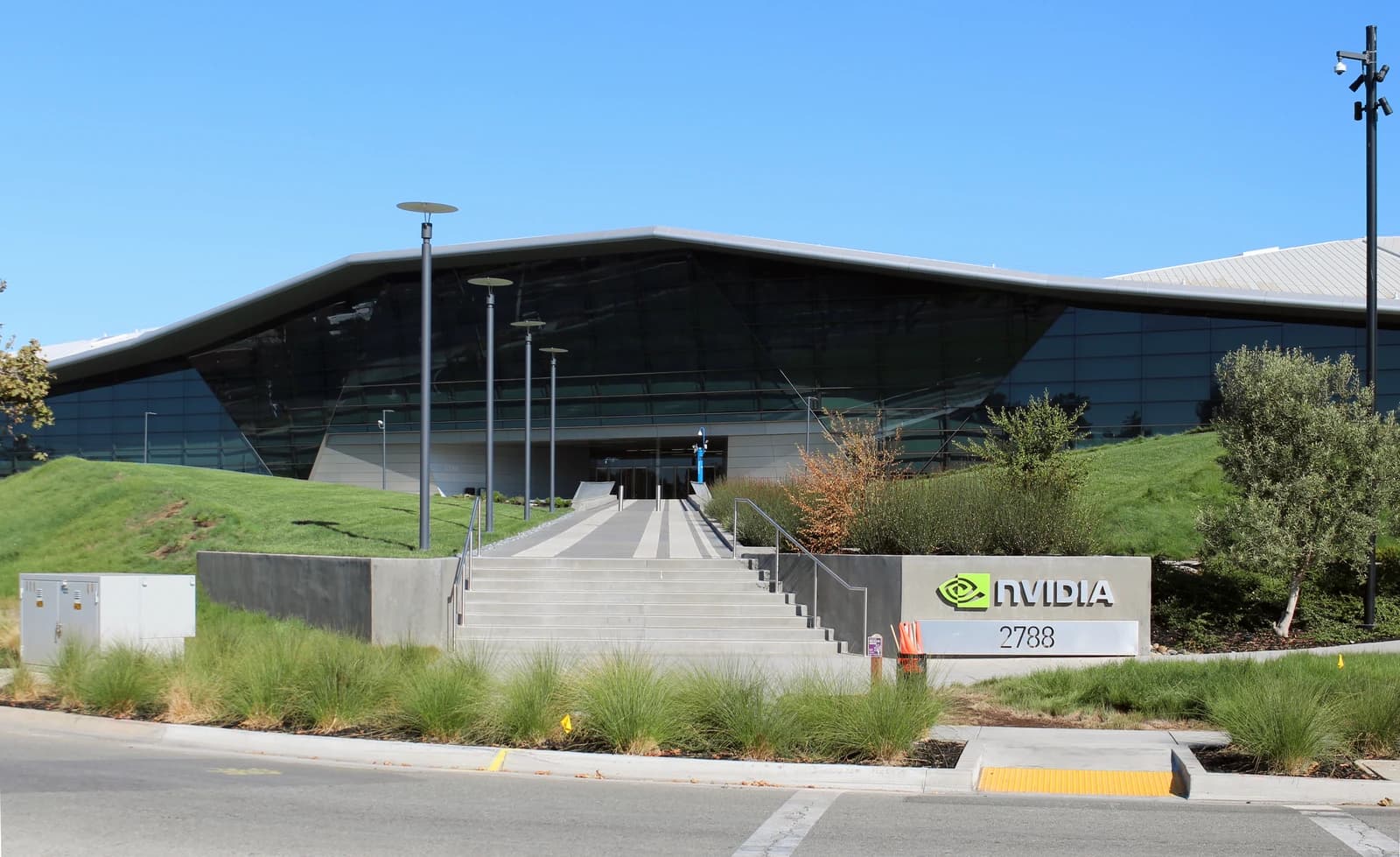
Nvidia, Taiwan Semiconductor Manufacturing Co. and Alibaba all came under pressure, underscoring how tightly Asia’s equity performance is tied to the global AI investment cycle. Nvidia, the bellwether for AI hardware demand, has fallen to $140.38 from $221.97 on Oct. 21, with its relative strength index deep in oversold territory at 16.0 and its shares trading well below the 50-day moving average of $207.30. TSMC dropped to T$338.84 from T$362.62 on Nov. 18, also below its 50-day average of T$422.51, while Alibaba slid to HK$83.35 from HK$109.10 on Nov. 5 and remains below both its 50-day and 200-day moving averages.
The technical damage reflects more than routine profit-taking. Nvidia’s MACD has deteriorated sharply, while the surge in volume on recent down days suggests selling pressure is broad rather than orderly. TSMC’s weaker tape is more important for Asia because the company sits at the center of the region’s semiconductor supply chain; any sustained de-rating there can spill into equipment makers, foundries and chip-packaging names across Taiwan, South Korea and Japan. Alibaba’s decline adds a China-specific layer, showing that investors are not only repricing AI-related optimism but also discounting weaker consumer and advertising demand in the mainland economy.
That combination matters economically because the market is questioning whether the massive capital spending tied to AI will translate into near-term profit growth quickly enough to justify current valuations. If investors demand higher cash-flow proof, the beneficiaries of the AI buildout may narrow to a smaller group of proven earners, while suppliers and adjacent names lose the valuation premium they enjoyed during the rally.
The selloff also lands against a less forgiving macro backdrop. Concerns about China’s growth have lingered, and a simultaneous bond-market shakeout has reduced the appeal of long-duration growth assets. Adalytica’s trade signals for the S&P 500 show fear at 26, while the dollar’s trade signal reads “Extreme Fear,” a reminder that cross-asset stress is not limited to Asian equities alone. For global investors, that raises the risk that portfolio de-risking becomes self-reinforcing: weaker tech shares can trigger more selling, which then feeds back into broader indices and passive flows.
The bull case is that this is a necessary reset after months of concentrated AI enthusiasm, and that underlying demand for chips, cloud infrastructure and advanced packaging remains intact. The bear case is that the market is discovering that the AI story has become too dependent on perfection in earnings and capex guidance, leaving little room for disappointment.
For now, investors are likely to watch whether the selling remains limited to momentum names or starts to drag on the wider regional market. If Nvidia and TSMC fail to stabilize, Asia’s tech-heavy indices could stay under pressure even if the broader global macro tone improves.
| Entity | Gains | Losses |
|---|---|---|
| Value buyers | ▲Lower entry points | ▼Near-term momentum |
| AI skeptics | ▲Repricing discipline | ▼Continued capex optimism |
| Chip suppliers | ▲Only if demand holds | ▼Valuation premium |
| Asian equity indices | ▲Broader rotation potential | ▼Tech-led downside |