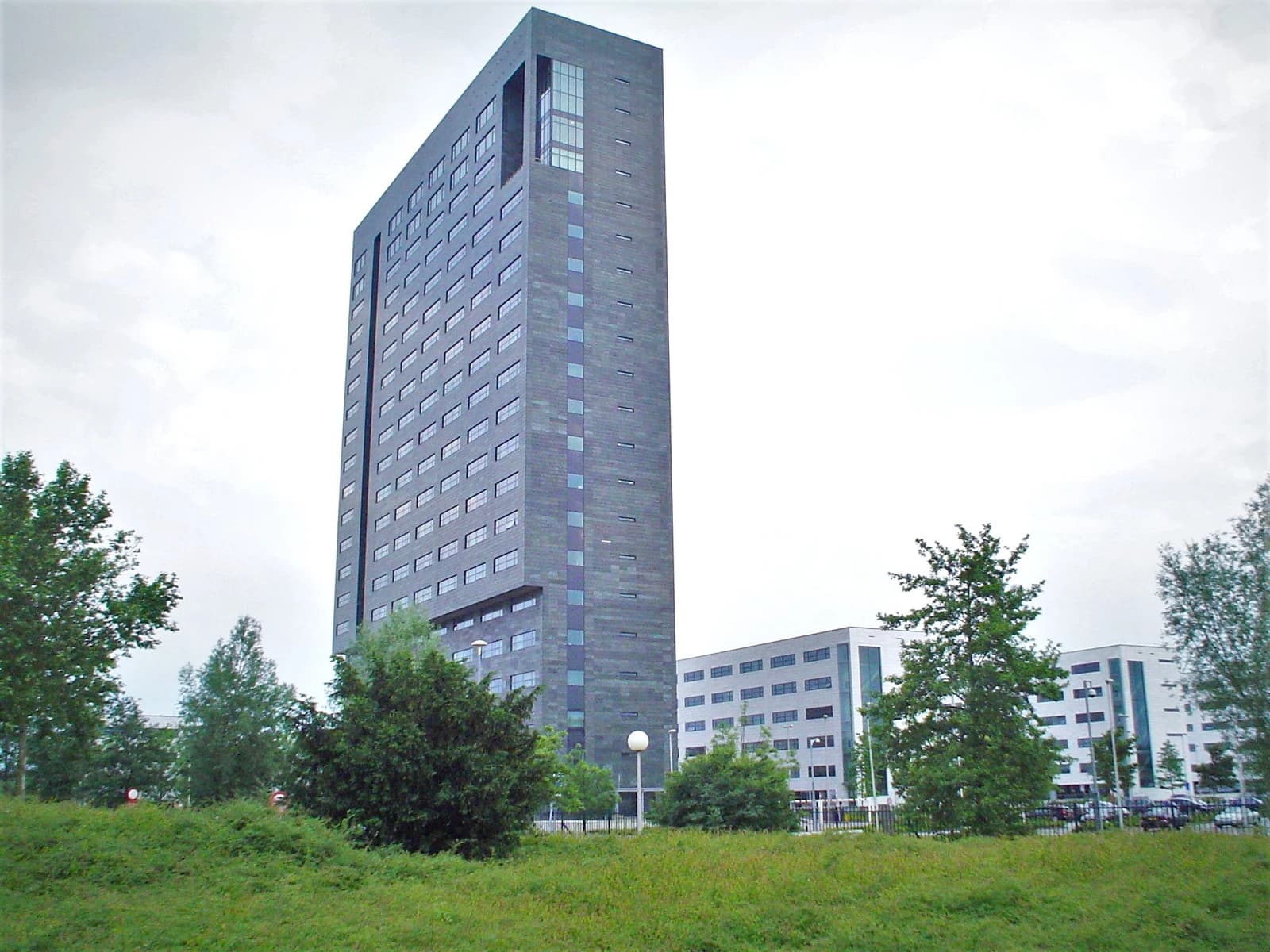
ASML's latest results and outlook reinforce its grip on the AI chip supply chain just as Nvidia and TSMC shares weaken on renewed doubts about the pace of AI spending. The Dutch equipment maker posted €11.7 billion in third-quarter net sales and €5 billion in net income, then said full-year sales should land between €44 billion and €45 billion with a gross margin around 56%, underscoring that the real choke point in advanced chip production remains the lithography tools only ASML can supply.
ASML Results Reinforce AI Chip Supply Chain Grip
That matters because every leading AI chip designer and foundry still depends on ASML's extreme ultraviolet systems to make the smallest, densest semiconductors. Nvidia can keep launching faster GPUs and TSMC can keep adding capacity, but neither can scale the newest AI chips without the machines that etch the circuit patterns onto silicon.
The investment case has been strengthened by ASML's pricing power as demand shifts toward its EUV portfolio. More than half of first-half 2026 revenue came from EUV systems, and management has already lifted its 2026 outlook twice this year, a sign that foundries are still prioritizing advanced-node spending even as export curbs trim deliveries of higher-end DUV tools to China.
ASML shares have still fallen from recent highs, closing at 1,647.12 on Monday after touching 1,986.87 in late June. The stock now trades about 26 times next year's earnings, while remaining well above its 200-day moving average, suggesting long-term investors are still paying for scarce exposure to AI infrastructure rather than to any single chipmaker's product cycle.
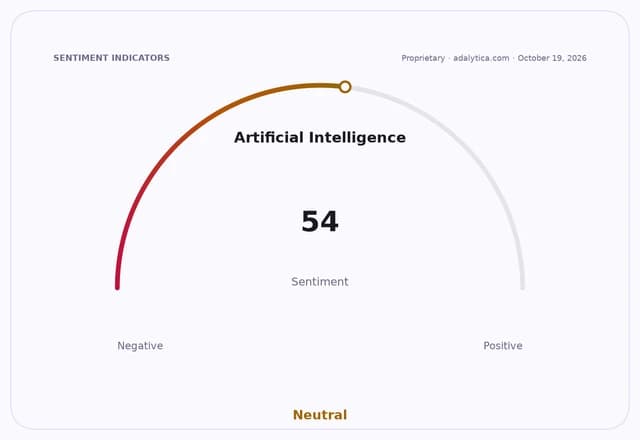
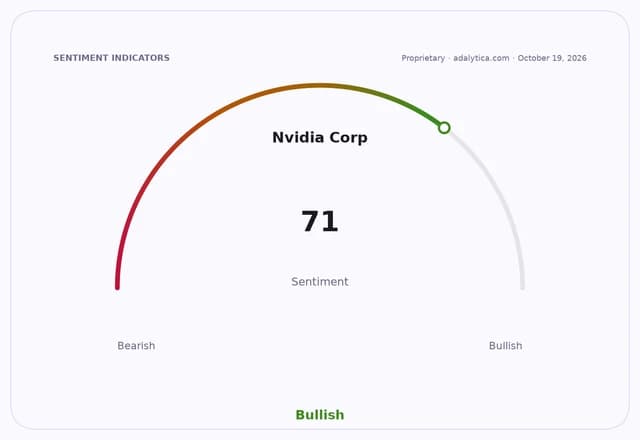
By contrast, Nvidia and TSMC have both come under pressure in recent sessions. Nvidia has retreated to about $214, while TSMC has slipped to just over $420, as traders reassess whether AI capex can keep compounding at the pace baked into the sector's biggest winners.
For investors, the message is straightforward: the AI trade is still alive, but the highest-quality bottleneck is not the chip designer or the foundry. It is the equipment maker sitting upstream, and ASML's next catalyst will be whether demand for high-NA and low-NA EUV systems keeps outpacing the industry's ability to diversify away from them.
| Entity | Gains | Losses |
|---|---|---|
| ASML | ▲pricing power and AI demand | ▼little direct competition |
| Nvidia | ▲AI chip demand growth | ▼valuation pressure and cyclicality |
| TSMC | ▲advanced-node utilization | ▼rising capex burden |
| China chipmakers | ▲legacy tools access | ▼tighter export restrictions |