ASML Holding is running into the kind of problem investors love: demand is outrunning supply, and it may stay that way for years. For a company that sits at the center of advanced chipmaking, that is the clearest sign yet that the AI buildout still has plenty of room to run.
ASML Says EUV and DUV Demand Exceeds Supply
The Dutch lithography leader said on its third-quarter earnings call that it will not be able to make as many extreme ultraviolet, or EUV, and deep ultraviolet, or DUV, machines as customers want in 2027 or 2028, while clients are already asking about deliveries in 2029 and 2030. That matters because ASML’s tools are indispensable for making the most advanced chips used in graphics processors, high-end CPUs and high-bandwidth memory, the components powering data centers and AI systems.
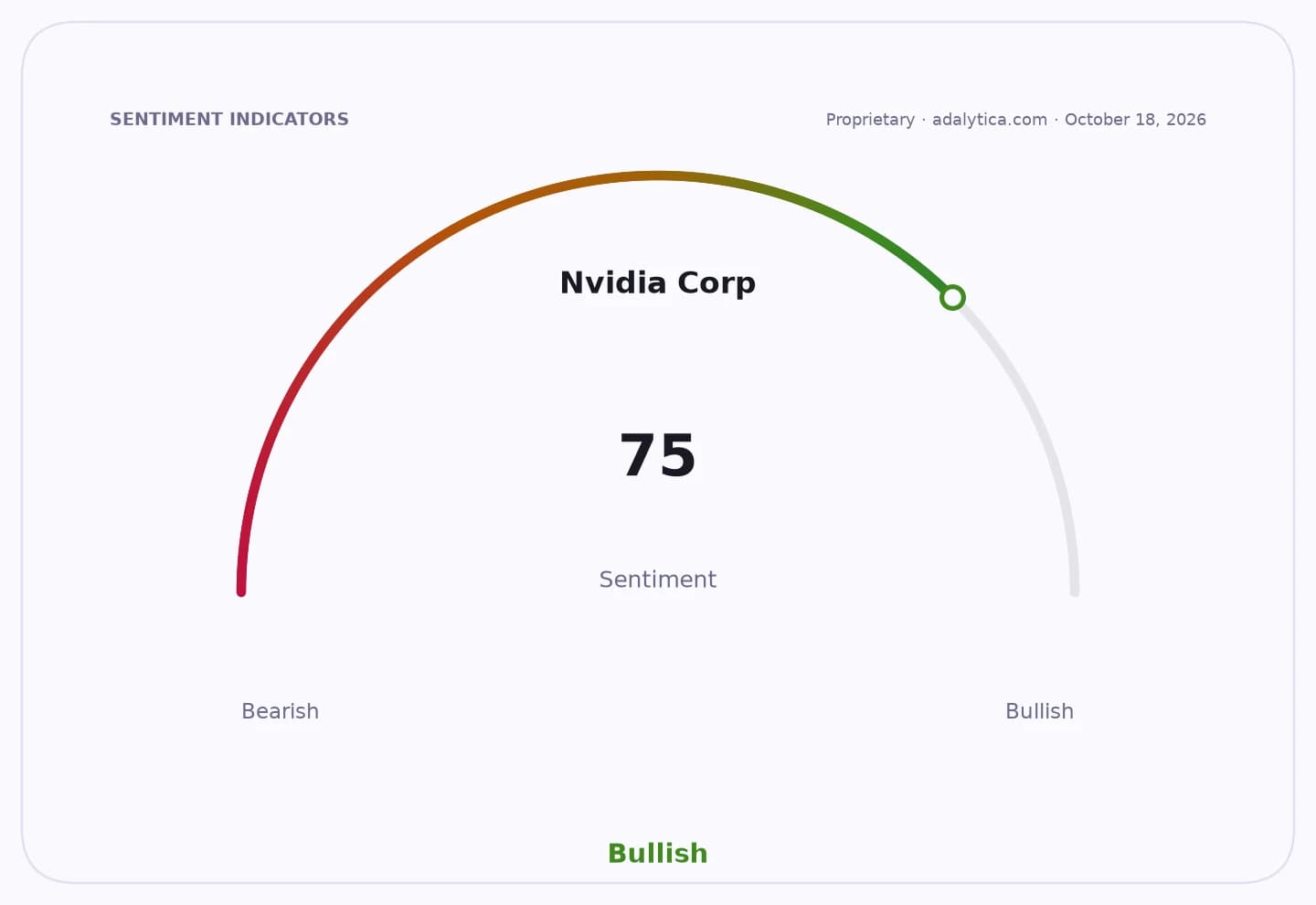
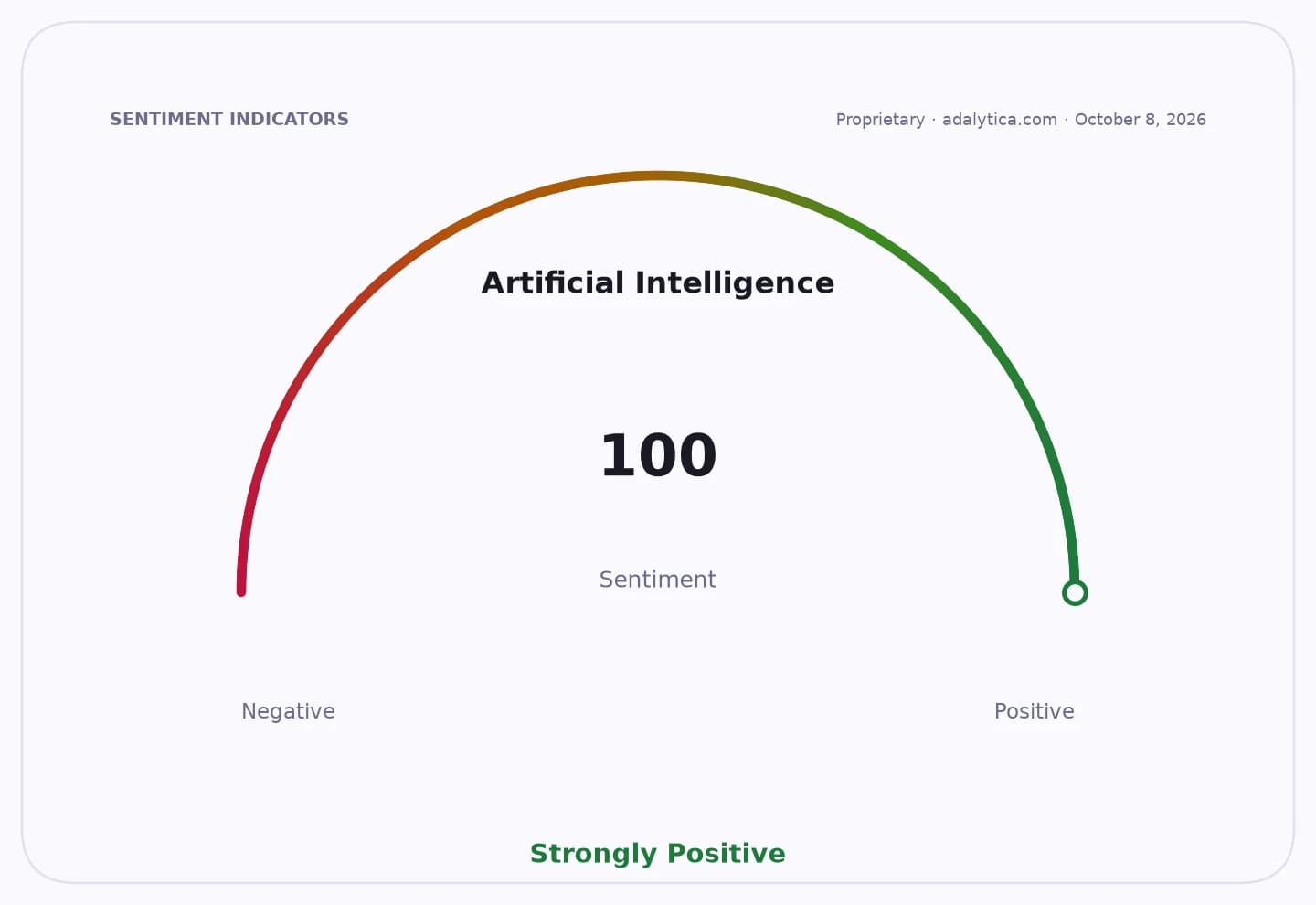
Sentiment IndicatorsⓘProprietary · adalytica.com · October 19, 2026
This is a snapshot — live sentiment, awareness and momentum for 130+ markets update continuously in the dashboard.Open AlphaPulse
This is not a one-quarter fluke. ASML’s Q3 revenue jumped 55% from a year earlier to 11.7 billion euros, with equipment sales up 51% and service revenue rising 65%. The company sold 113 new lithography systems, up from 66 a year earlier, and nearly half of sales came from its higher-priced EUV machines, compared with 38% last year. It also lifted its 2026 revenue outlook to 44 billion to 45 billion euros, underscoring that demand remains strong even as the industry wrestles with geopolitical restrictions and shifting customer mix.
For long-term investors, the bigger story is the durability of ASML’s moat. The company has a monopoly on EUV lithography, a technology that no rival can easily replicate, and it is also a leader in DUV systems. That gives ASML pricing power, backlog visibility and the ability to compound earnings through an entire semiconductor upcycle rather than just ride one hot quarter.
The next leg of growth could be even more attractive. ASML is preparing to ramp its newer NXE:3800F machine next year, which raises wafer throughput, and it is also seeing commitments from customers for its High NA EUV tools. Samsung plans to use them at high volume around 2028, with Taiwan Semiconductor Manufacturing following around 2030. Those tools cost about $400 million each, roughly double the price of Low NA EUV machines, which means ASML’s revenue mix should skew even more favorably over time.
There are risks, of course. China remains a meaningful part of the business, though at 23% of Q3 sales it was down sharply from 42% a year ago, and export controls could keep reshaping where ASML sells and how quickly customers can deploy its tools. The shares are not cheap, trading at about 29 times forward earnings, but premium valuations are easier to justify when a company has a monopoly in a market that is still expanding.
For investors with a multiyear horizon, ASML looks like one of those rare businesses where the secular trend is as important as the quarterly numbers. The AI boom, the memory cycle and the relentless push to smaller chip nodes all point in the same direction: more demand for ASML’s machines than the company can currently supply. That is a powerful setup for patient shareholders, and ASML remains worth watching closely — and holding for the long term.
| Entity | Gains | Losses |
|---|---|---|
| ASML | ▲Higher sales, stronger pricing | ▼Capacity constraints |
| Chipmakers | ▲Access to leading-edge tools | ▼Longer wait times |
| AI infrastructure builders | ▲Faster chip innovation | ▼Higher equipment costs |
| Rivals/customers in China | ▲More supply pressure | ▼Tighter export limits |