ASML is becoming the purest way to own the AI semiconductor arms race, and the market is starting to price it like a strategic monopoly rather than a cyclical equipment supplier.
ASML Emerges as AI Semiconductor Bottleneck
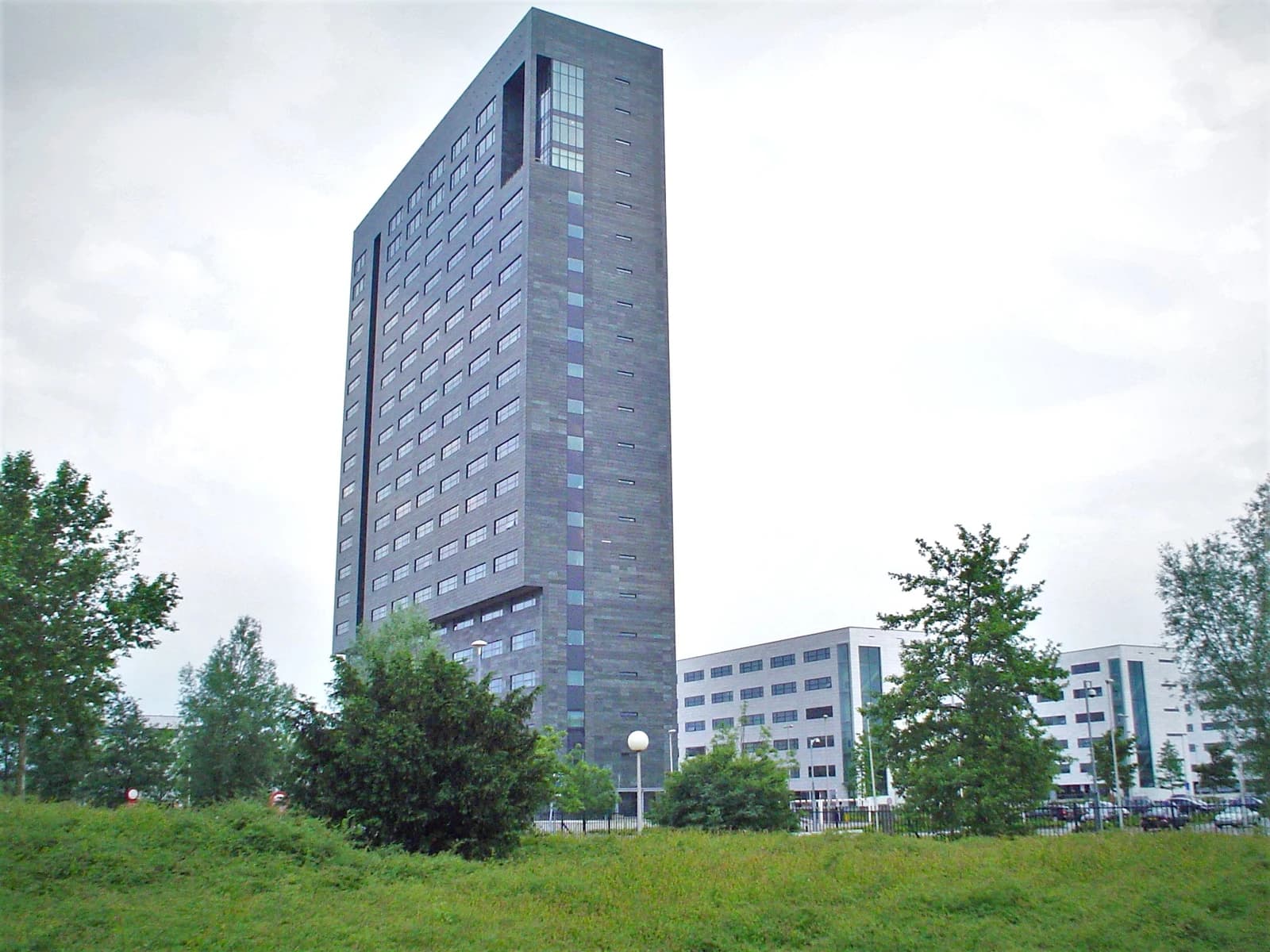
That matters because the company sits at the choke point of advanced chip manufacturing. Every accelerated buildout of AI data centers, every new Nvidia-class GPU cluster, and every next-generation foundry expansion ultimately depends on lithography tools from ASML. When the company says demand is strong enough to lift 2026 sales guidance to as much as €45 billion with gross margins of 54% to 56%, the message is not just that orders are healthy — it is that AI capex is still in the early innings and the industrial plumbing behind it is getting repriced.
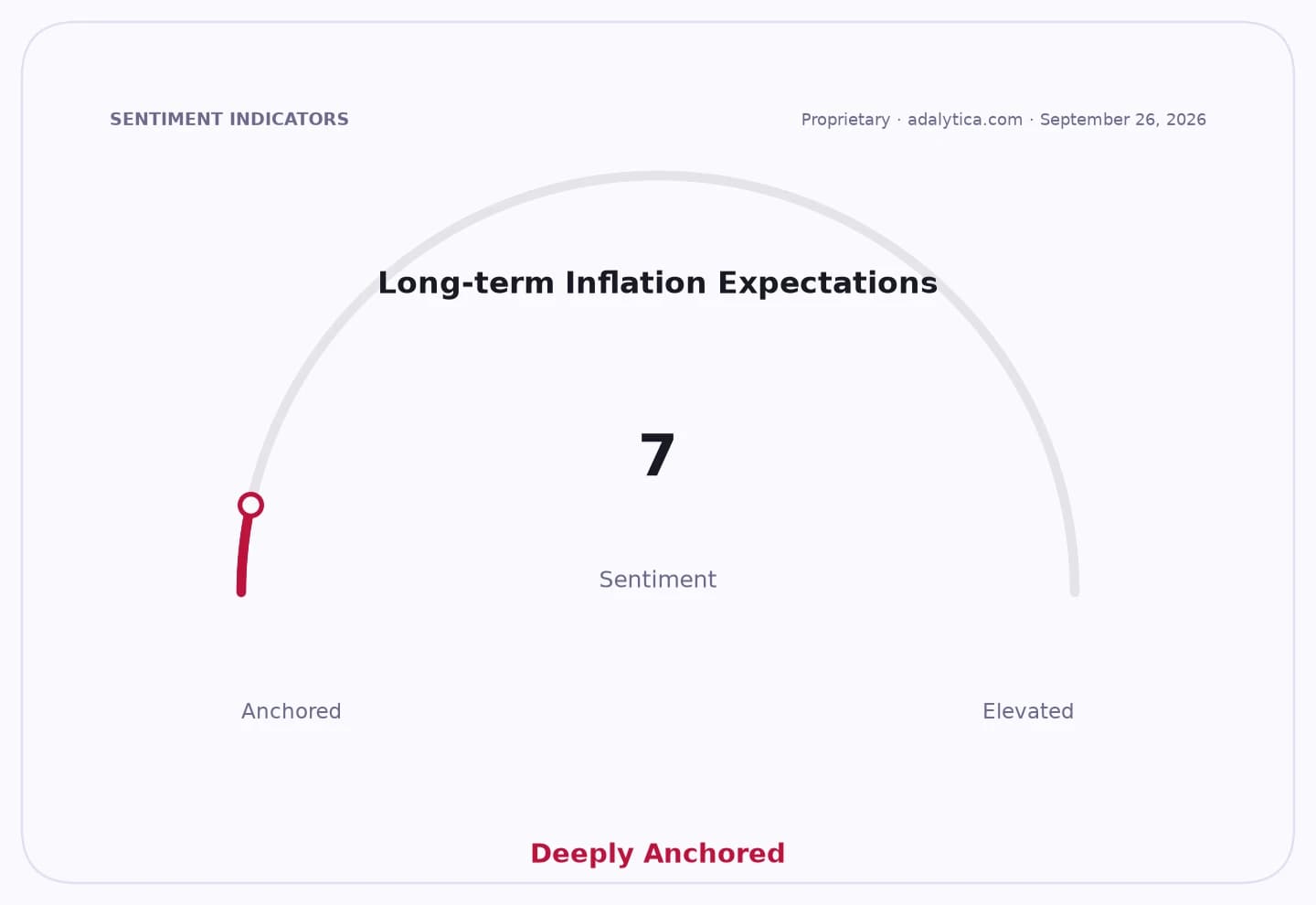
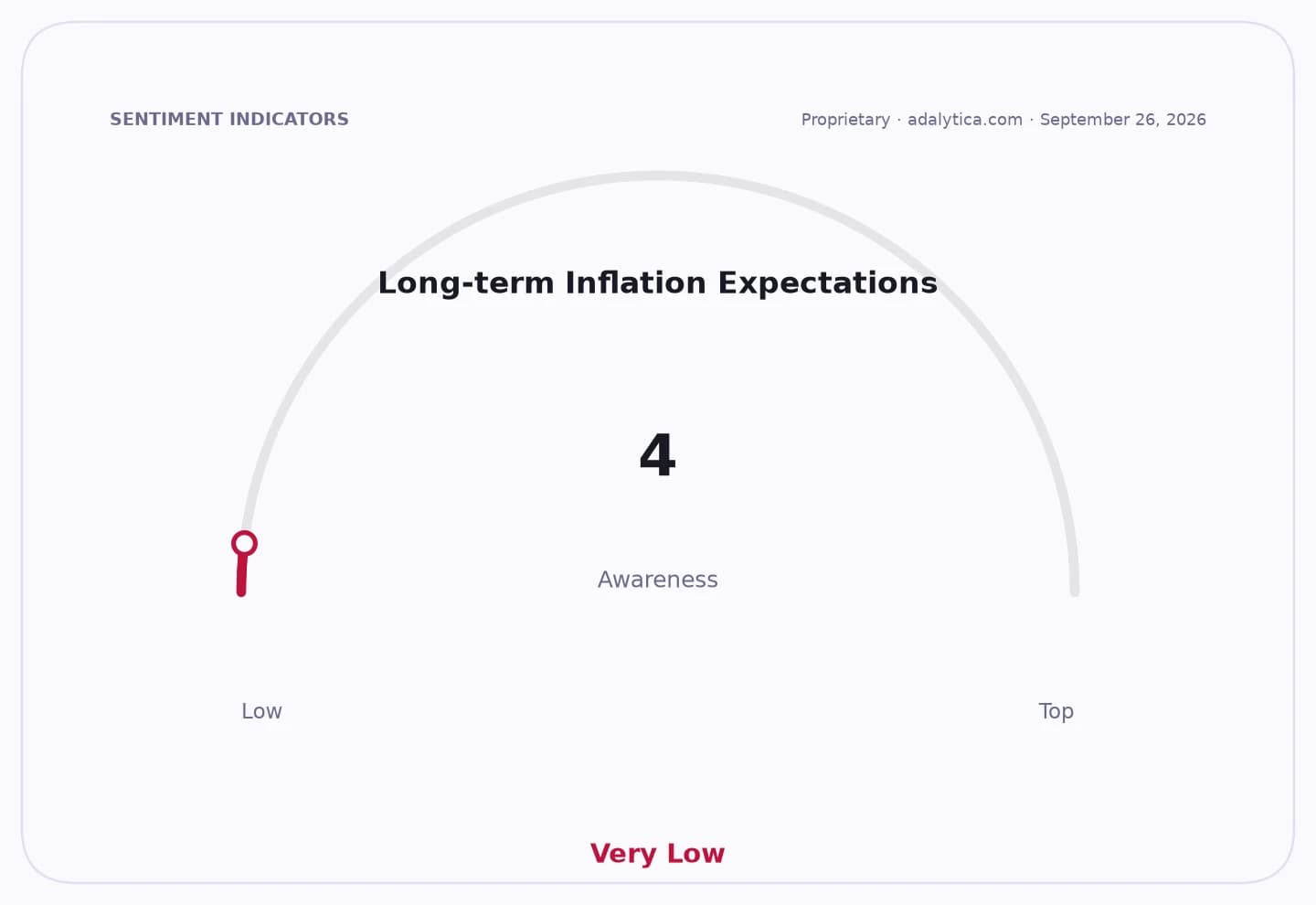
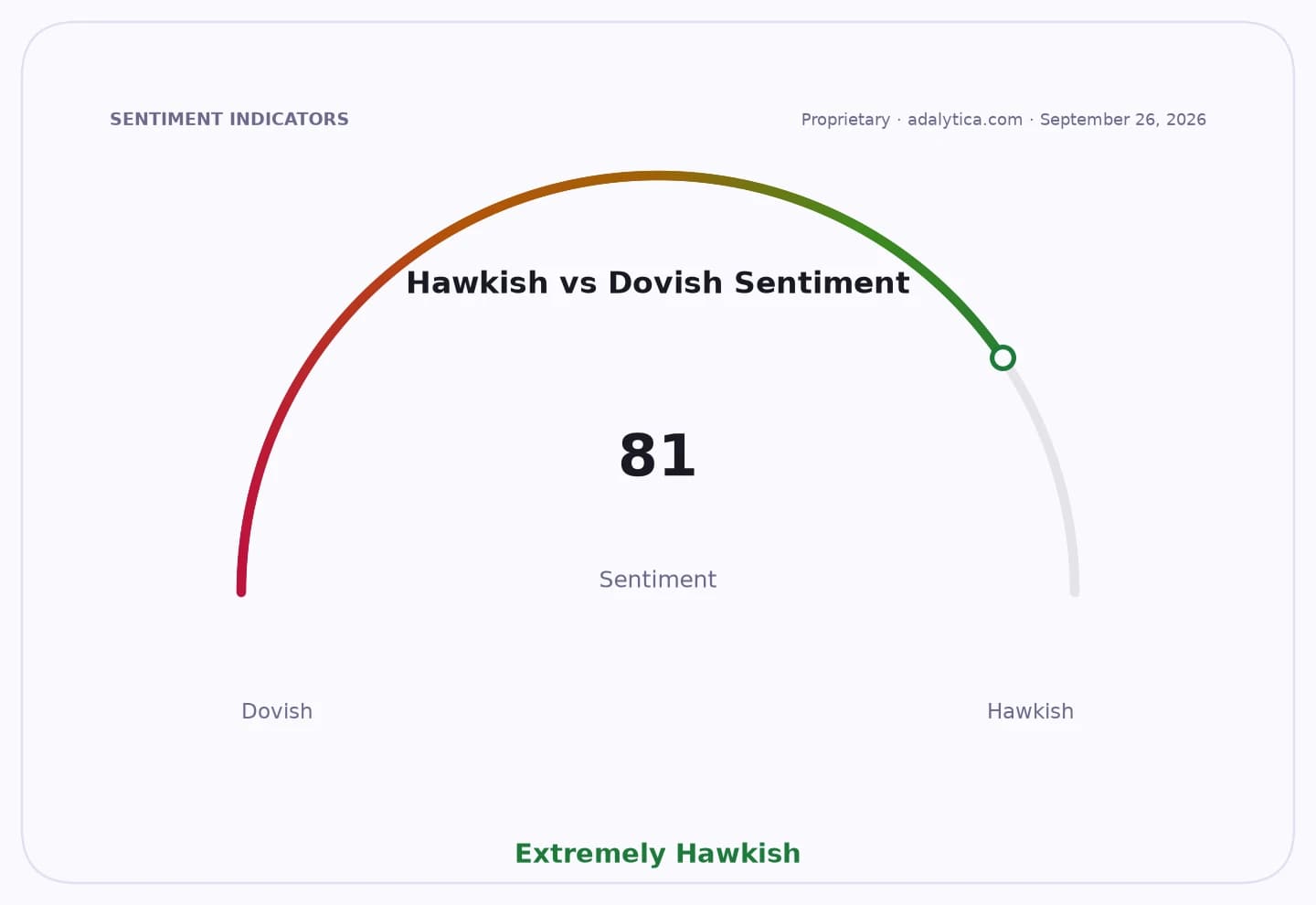
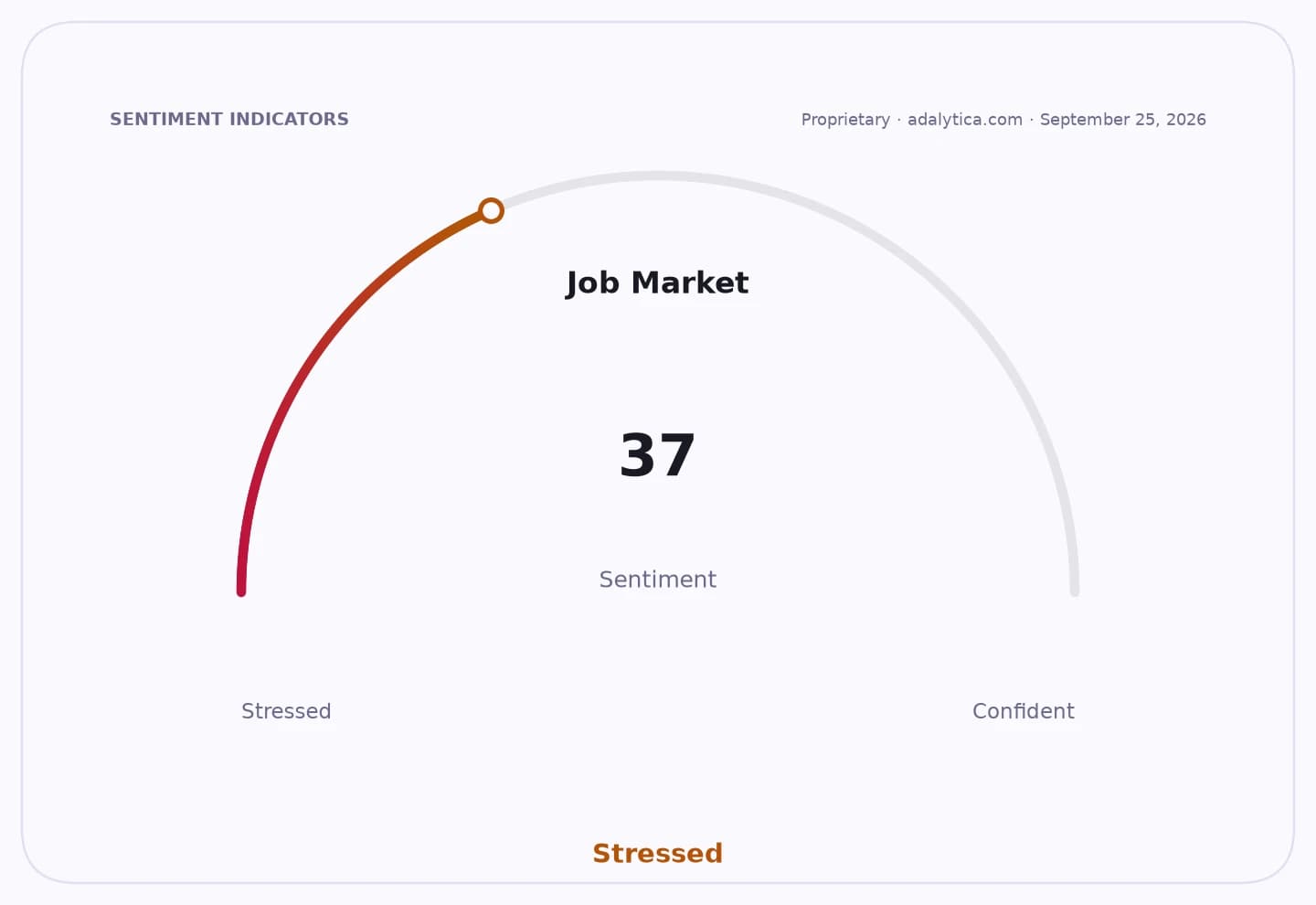
Sentiment IndicatorsⓘProprietary · adalytica.com · July 20, 2026
This is a snapshot — live sentiment, awareness and momentum for 130+ markets update continuously in the dashboard.Open AlphaPulse
This is exactly the kind of asymmetric setup the market often misses. Investors tend to chase the chip designer that captures the headlines, but the real toll road in a semiconductor supercycle is the equipment vendor that controls the bottleneck. ASML has now upgraded its outlook twice this year, after posting €9.3 billion of second-quarter sales and €2.9 billion of net income, a combination that signals both pricing power and demand visibility. If AI infrastructure spending keeps compounding, the company’s earnings power can scale far faster than the broader semiconductor complex because its tools are required before any advanced chip can be made.
The macro backdrop is supportive too. U.S. 10-year yields around 4.5% and a still-positive 2-year/10-year spread suggest growth is not being choked off by a deep recession signal, while industrial production remains near recent highs. That is an environment in which large capital-intensive bets can keep flowing. For ASML, the more important point is that AI is shifting semiconductor demand away from consumer electronics cycles and toward structural, multi-year capex from hyperscalers, foundries and sovereign-backed technology programs.
The stock’s technical picture also reflects a powerful rerating, even after recent volatility. ASML has traded well above its 200-day moving average and, despite a pullback from its highs, remains far ahead of where it started the year. That suggests investors are not just buying a cyclical rebound; they are paying up for scarcity value. In a market looking for durable compounders, few European companies offer anything close to ASML’s combination of market dominance, strategic relevance and direct leverage to AI infrastructure.
The trillion-dollar question is whether the market is underestimating how long this investment cycle can last. I believe it is. If AI chip demand keeps forcing TSMC, Nvidia’s ecosystem and the foundry complex to expand capacity, ASML’s order book should stay elevated and its margin profile should keep improving. That makes the Dutch company not merely a semiconductor supplier, but one of the clearest long-duration AI infrastructure winners in global equities.
For investors, the play is straightforward: own the bottleneck, not just the brand name. ASML remains one of the best ways to express the AI buildout thesis in Europe, and if the current spending cycle keeps running, a trillion-dollar valuation is no longer a fantasy — it is a credible endpoint for the market’s next rerating.
| Entity | Gains | Losses |
|---|---|---|
| ASML | ▲Higher orders, margin expansion | ▼Cyclical skepticism |
| Nvidia | ▲More AI chip demand | ▼Supply-chain bottlenecks |
| TSMC | ▲Foundry utilization, revenue growth | ▼Capex intensity |
| Chip buyers | ▲Faster AI deployment | ▼Higher equipment costs |