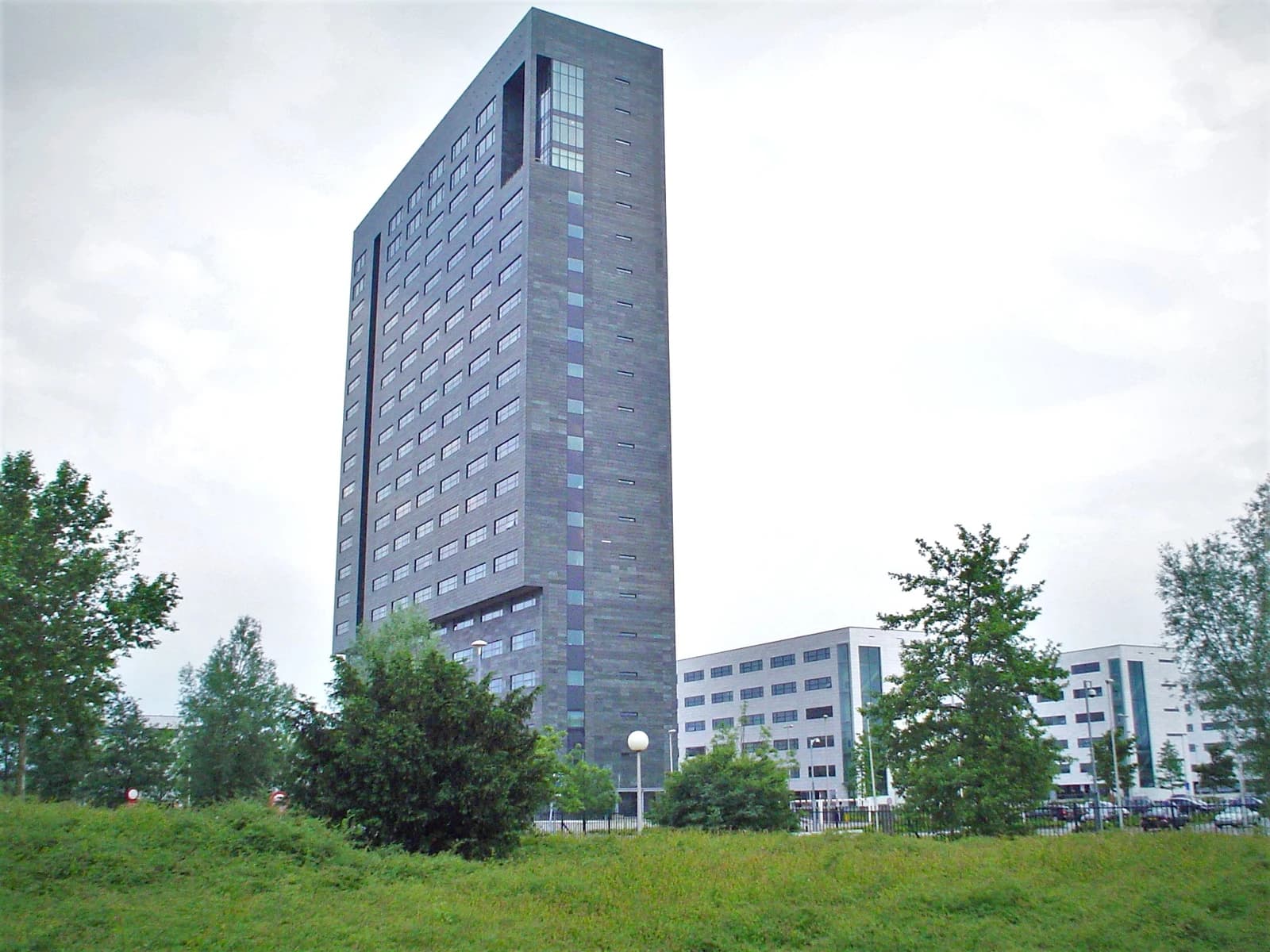
ASML’s rise into the world’s most important chip-equipment maker has not erased its local identity, and that matters because the company’s culture still helps explain how it manages scarce talent, strategic partnerships and an industry where execution is everything.
ASML Brabant Culture and Share Pullback
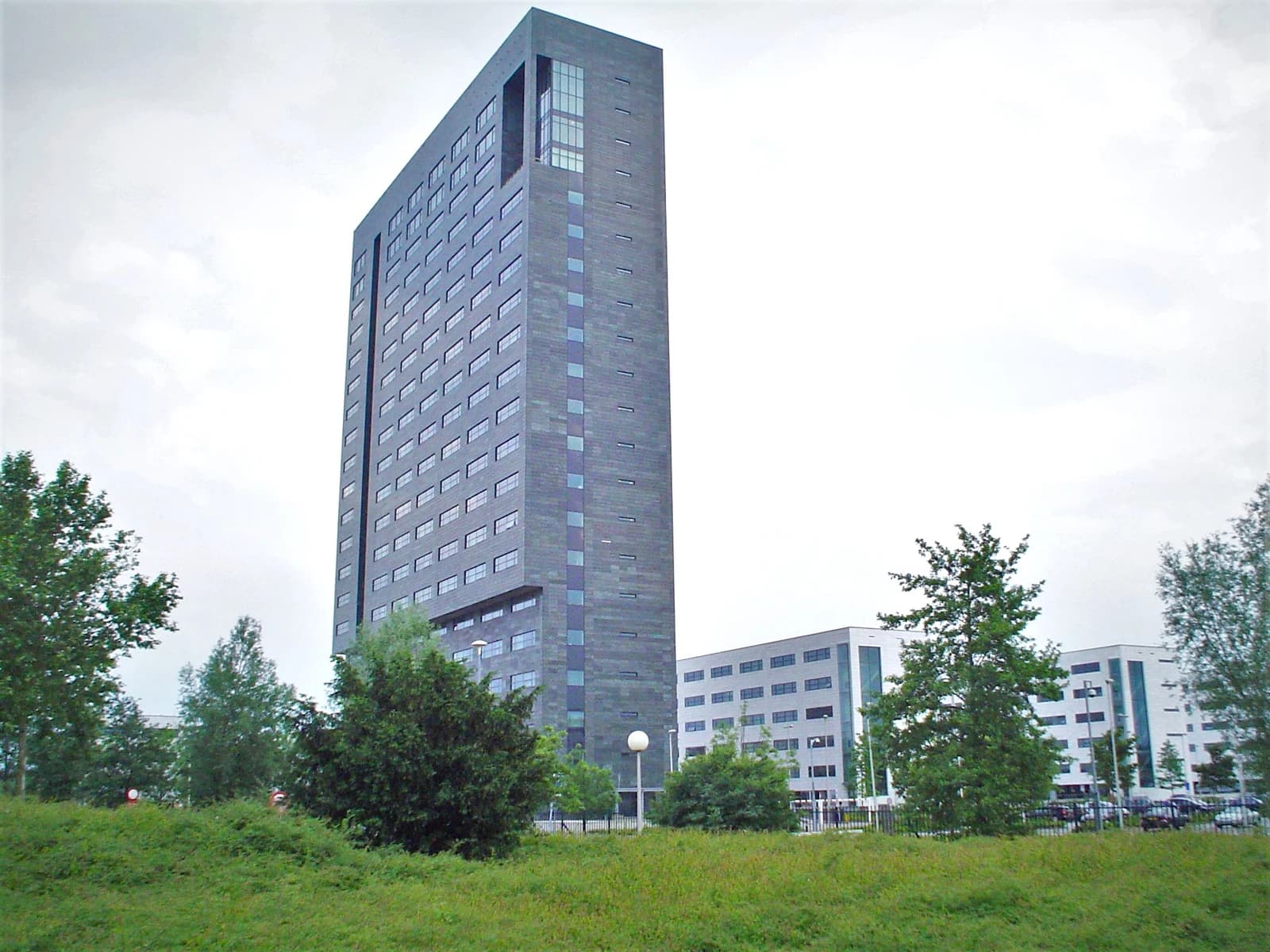
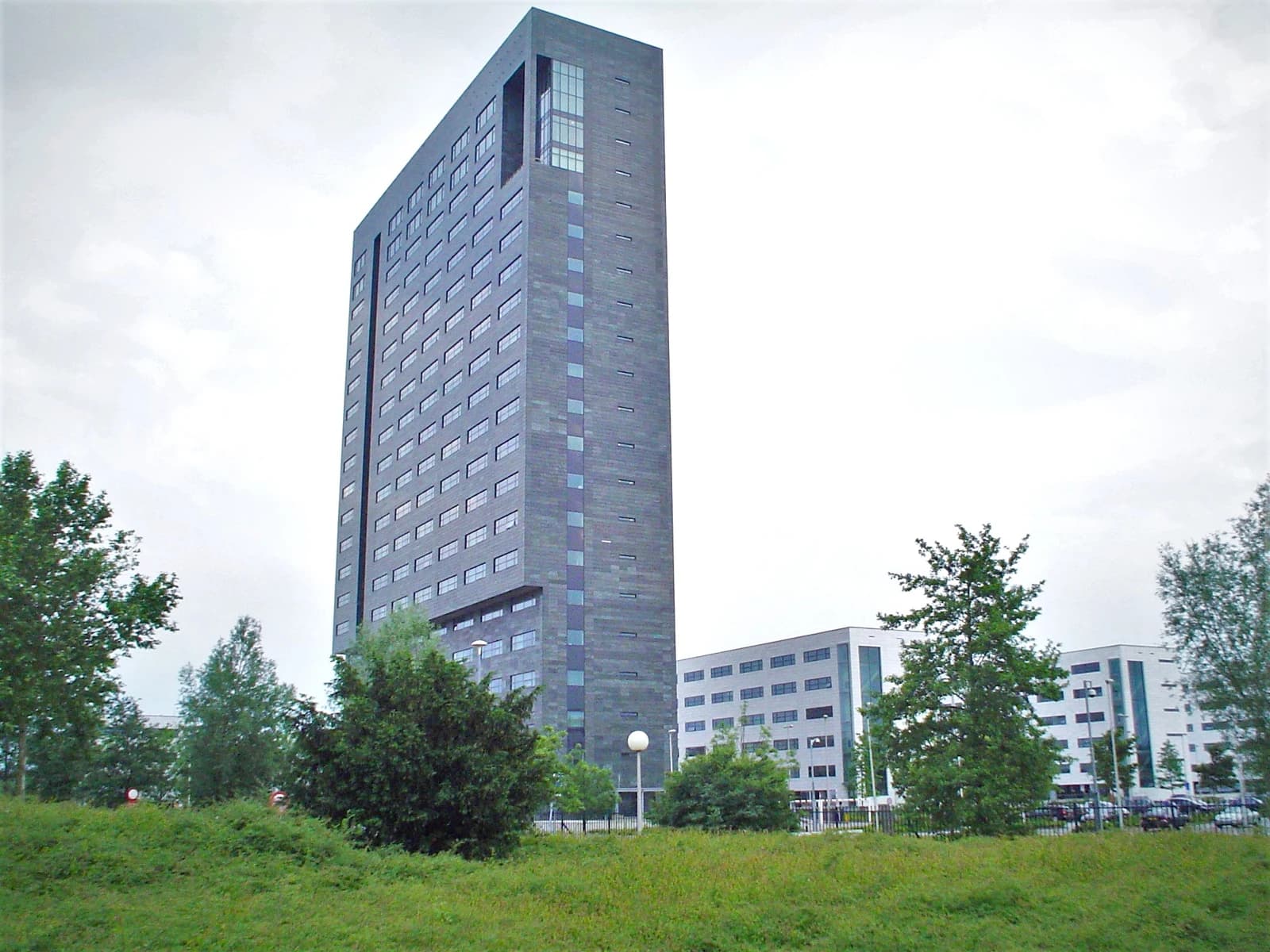
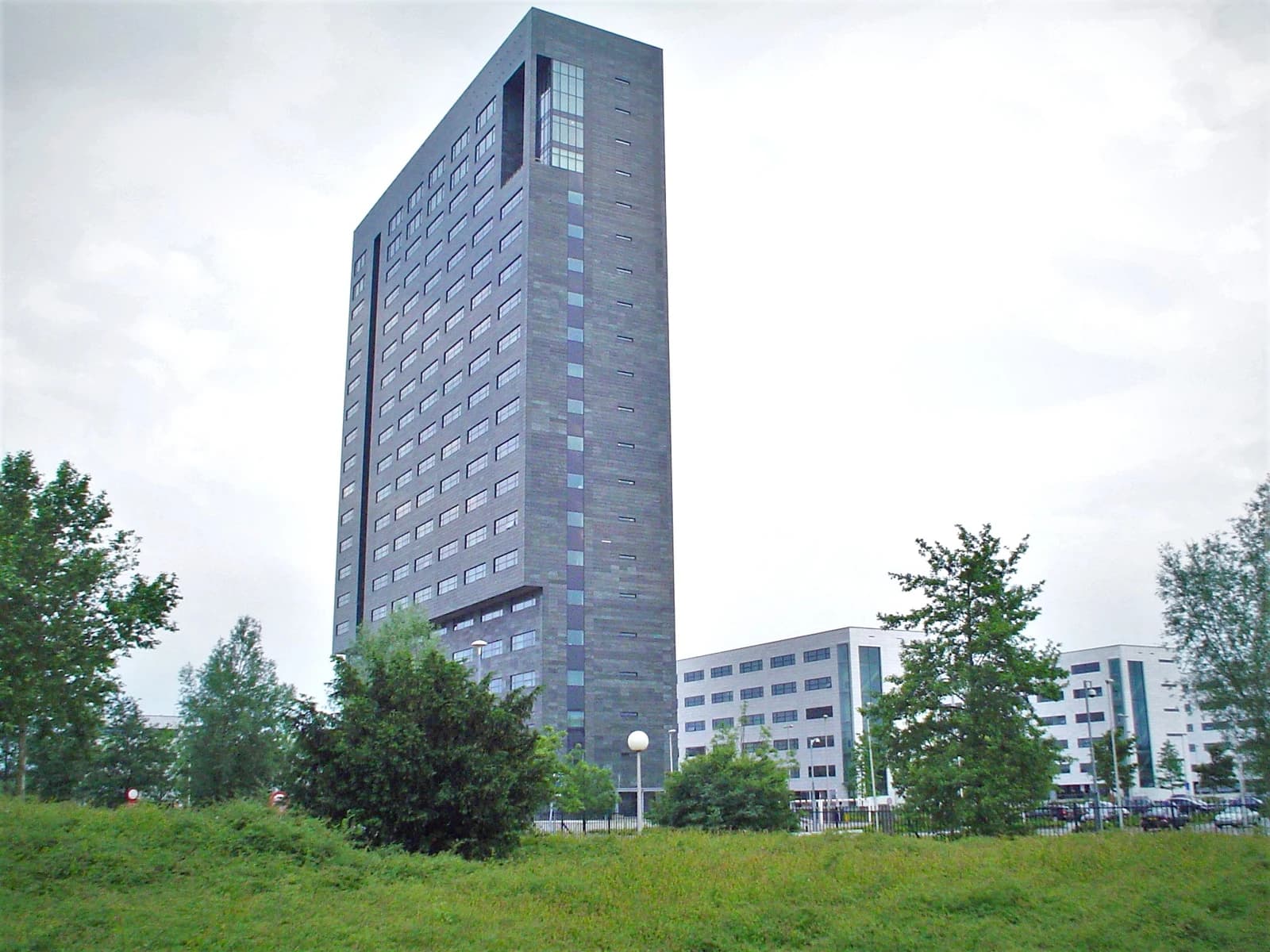
Two years of reporting by BNR’s Maxim van Mil and Daniël Mol found that the Dutch firm in Veldhoven remains deeply rooted in Brabant even after expanding to about 20,000 employees across a few square kilometers. The company that makes the machines used to produce the most advanced semiconductors is now a global power, but its internal style still reflects the region that built it: direct, stubborn and intensely confident in its own product.
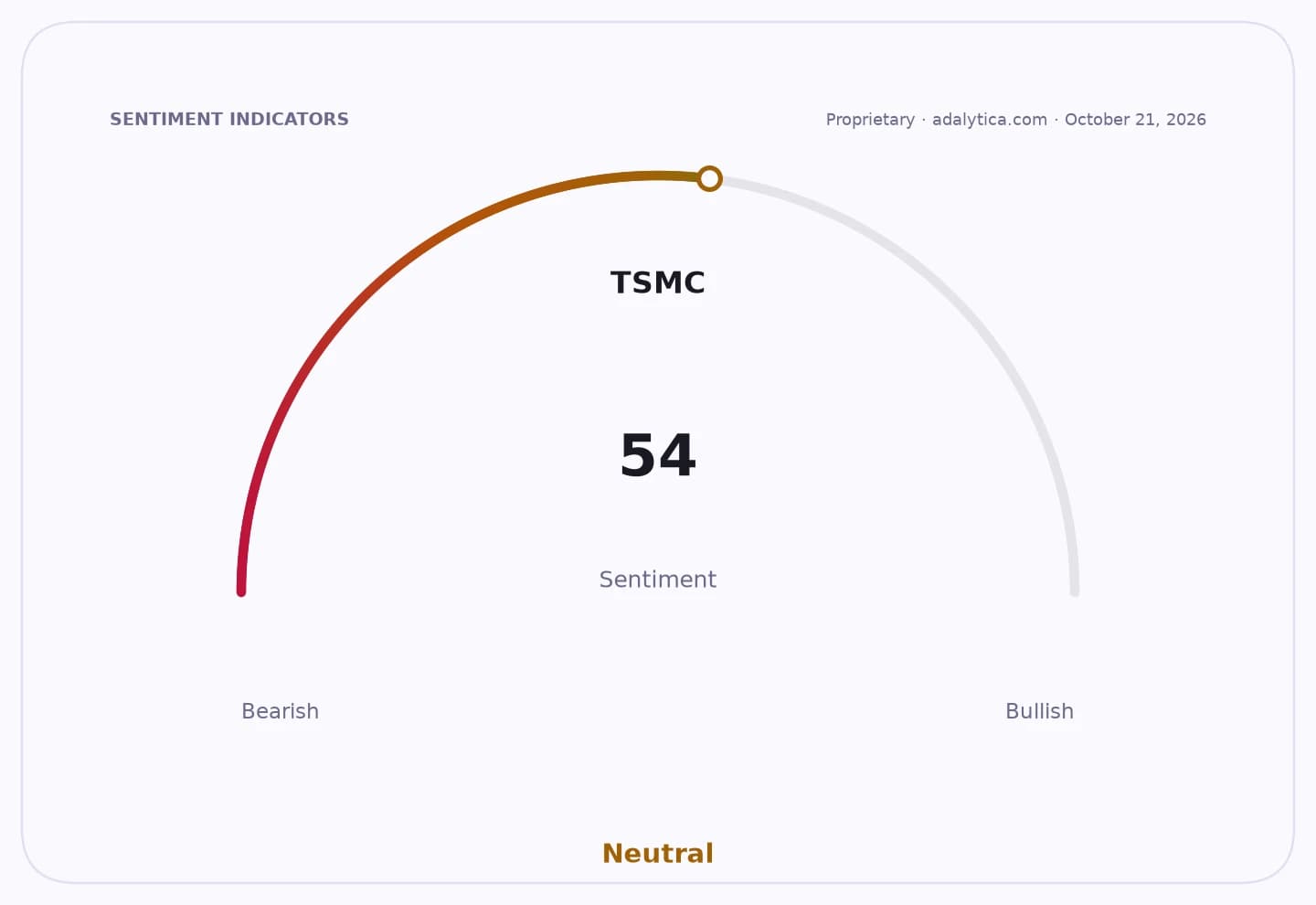
Sentiment IndicatorsⓘProprietary · adalytica.com · October 20, 2026
This is a snapshot — live sentiment, awareness and momentum for 130+ markets update continuously in the dashboard.Open AlphaPulse
That may sound like an anecdotal profile piece, but for investors it speaks to something more material. ASML’s competitive advantage depends not only on its monopoly-like position in extreme ultraviolet lithography, but on the culture that lets engineers challenge managers, move quickly and defend technical decisions in front of customers and partners. In an industry where one delayed iteration can ripple through global chip supply chains, culture is operational leverage.
The reporting also shows why collaboration can be both a strength and a friction point. ASML’s blunt, highly internalized way of working has at times clashed with partners such as Belgium’s imec and Germany’s Carl Zeiss SMT, which supplies lenses for ASML systems. The account of repeated efforts to bridge cultural gaps underlines that the company’s success is built on cross-border coordination as much as on Dutch engineering. When those relationships are strained, the risk is not branding damage but slower development and more management overhead in a business where the stakes are measured in multibillion-euro equipment cycles.
That tension comes at a moment when ASML is already under pressure from broader semiconductor volatility. The stock has been volatile in recent months: as of Oct. 19 it closed at 1,647.12, below its 50-day moving average of 1,737.75, with an RSI of 23.4 that points to a technically oversold name. The shares have also slipped well below the upper Bollinger Band, reflecting a sharp pullback after a strong run earlier in the year. For investors, that leaves ASML looking like a high-quality franchise undergoing a sentiment reset rather than a change in underlying strategic importance.
The comparison with peers reinforces that read. TSMC, the key foundry customer for ASML’s tools, has also seen its shares cool after a powerful rally, while Nvidia remains central to the AI trade but has had its own drawdowns. The semiconductor complex has become more volatile as markets reassess how much AI-related capex can be sustained. In that environment, ASML’s order outlook and customer relationships matter as much as the narrative around Dutch industrial identity.
The broader lesson is that ASML’s “Brabant” character is not a folkloric footnote. It is part of how the company preserves speed, technical rigor and bargaining power while operating at global scale. For bullish investors, that culture supports resilience and innovation. For bears, it can also mean friction with partners and a refusal to soften strategic positions when the market is becoming more demanding. Either way, it remains a core part of the ASML investment case.
| Entity | Gains | Losses |
|---|---|---|
| ASML management | ▲Stronger execution culture | ▼More partner friction |
| Engineers and researchers | ▲Freedom to challenge internally | ▼Less diplomatic collaboration |
| Partners such as imec and Zeiss | ▲Access to ASML’s technology ecosystem | ▼Pressure from ASML’s blunt style |
| Long-term investors | ▲Enduring competitive moat | ▼Near-term volatility and technical weakness |