LPG consumers in Assam have until August 16 to complete e-KYC verification, or risk losing the ability to book gas cylinders, a compliance drive that could disrupt household fuel access if large numbers miss the deadline.
Assam LPG e-KYC Deadline Nears August 16
The move matters because LPG is a staple household energy source across India, and any booking freeze would hit lower-income families first, forcing either delays in cooking fuel deliveries or a switch to more expensive alternatives. It also underscores how regulators and distributors are tightening identity checks and subsidy-linked controls in the domestic fuel system, with the aim of reducing fraud, improving customer records and curbing misuse of cylinders.
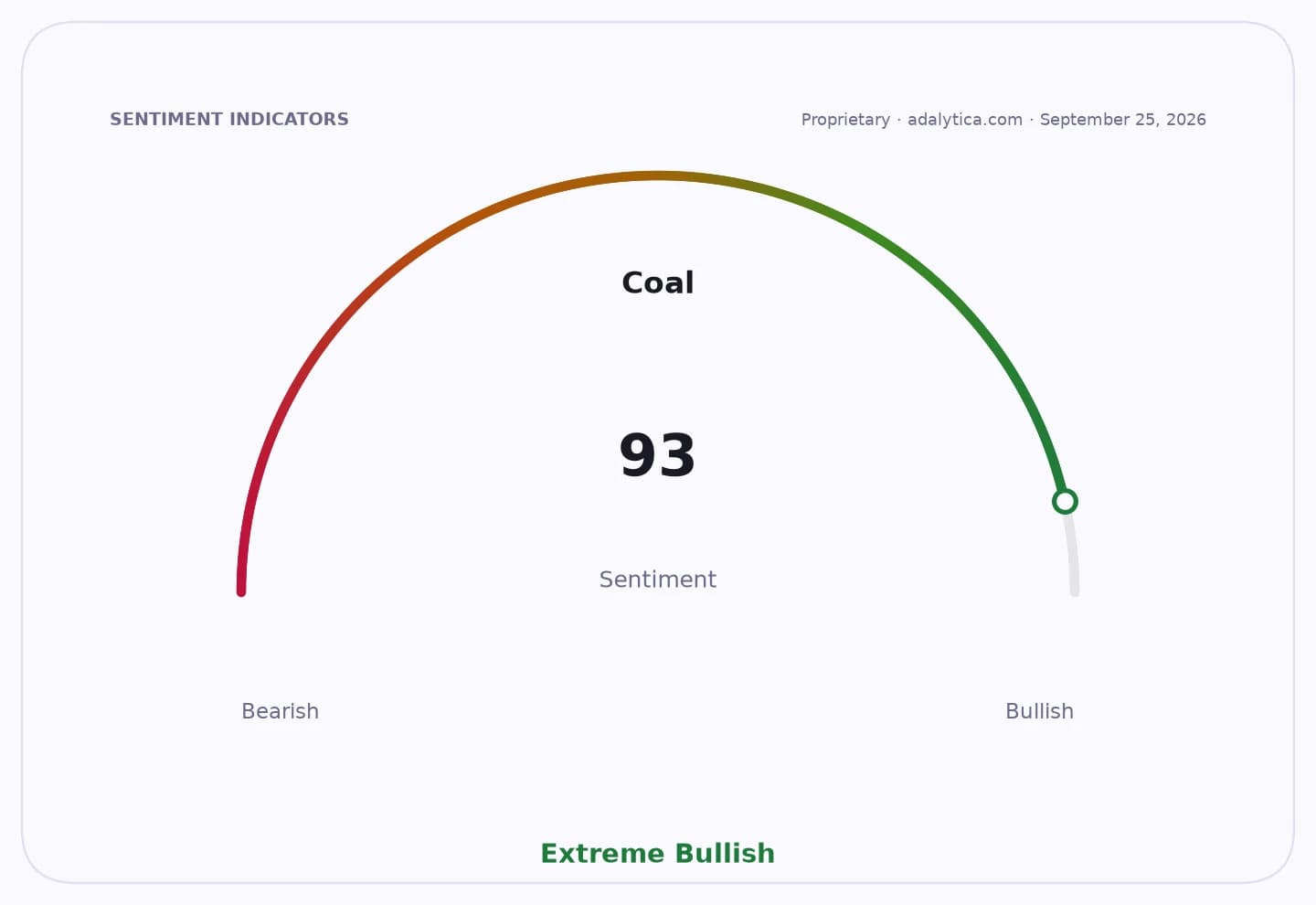
Sentiment IndicatorsⓘProprietary · adalytica.com · August 15, 2026
This is a snapshot — live sentiment, awareness and momentum for 130+ markets update continuously in the dashboard.Open AlphaPulse
For consumers, the immediate issue is operational rather than market-driven: failure to update KYC details can block bookings even if cylinders are available. For oil marketing companies such as IndianOil, Bharat Petroleum and Hindustan Petroleum, stricter verification can improve database integrity and reduce leakages, but it also raises the risk of temporary service disruption, call-centre pressure and complaints if the rollout is uneven.
The development comes against a broader backdrop of tighter fuel safety and distribution oversight. Authorities have also been cracking down on illegal LPG cylinder practices, while related fuel programs in the market are shifting, including the reported reduction in Bright Gas cylinder prices in some sizes and a trial to replace 3 kg LPG cylinders with 3 kg CNG cylinders. Taken together, the changes point to a distribution system under pressure to become cleaner, safer and more tightly controlled.
For investors, the direct earnings impact on listed oil marketing companies is likely limited, but the policy reinforces the importance of retail execution and regulatory compliance in a business where small operational frictions can affect volumes, brand perception and subsidy administration. The key watchpoint is whether the Assam deadline is enforced strictly and whether the compliance push spreads to other states, potentially creating a wider administrative burden across the LPG network.
If the drive is implemented smoothly, it could strengthen distribution discipline. If not, it risks short-term consumer backlash and booking bottlenecks in one of the country’s most essential household fuel markets.
| Entity | Gains | Losses |
|---|---|---|
| Oil marketing companies | ▲Cleaner customer data | ▼Higher service complaints |
| Regulators | ▲Tighter control | ▼Enforcement backlash |
| Compliant consumers | ▲Uninterrupted bookings | ▼None |
| Non-compliant consumers | ▲None | ▼Booking disruptions |