AstraZeneca is putting more than $1 billion into a new Cambridge, Massachusetts, research hub, making Kendall Square the center of a strategy that could shape the drugmaker’s growth well beyond the end of the decade.
AstraZeneca opens $1B Cambridge research hub
The move matters because pharmaceutical companies do not build 18-story laboratories just for optics. They do it when they want more shots on goal in the highest-value part of the business: finding the next wave of medicines before rivals do. For investors, the message is that AstraZeneca is leaning harder into research intensity, artificial intelligence and robotics at a time when the industry is racing to turn faster discovery into durable earnings growth.
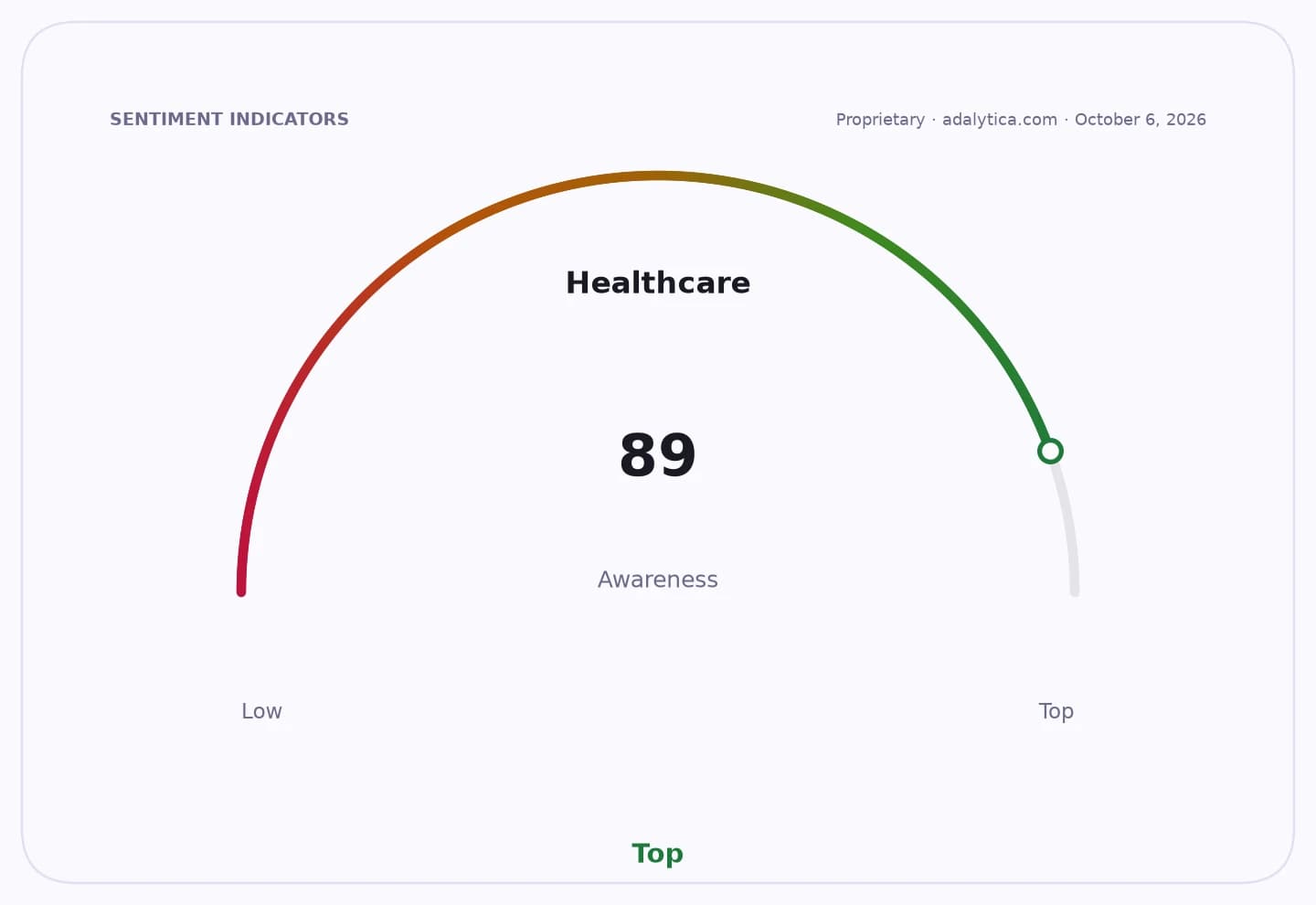
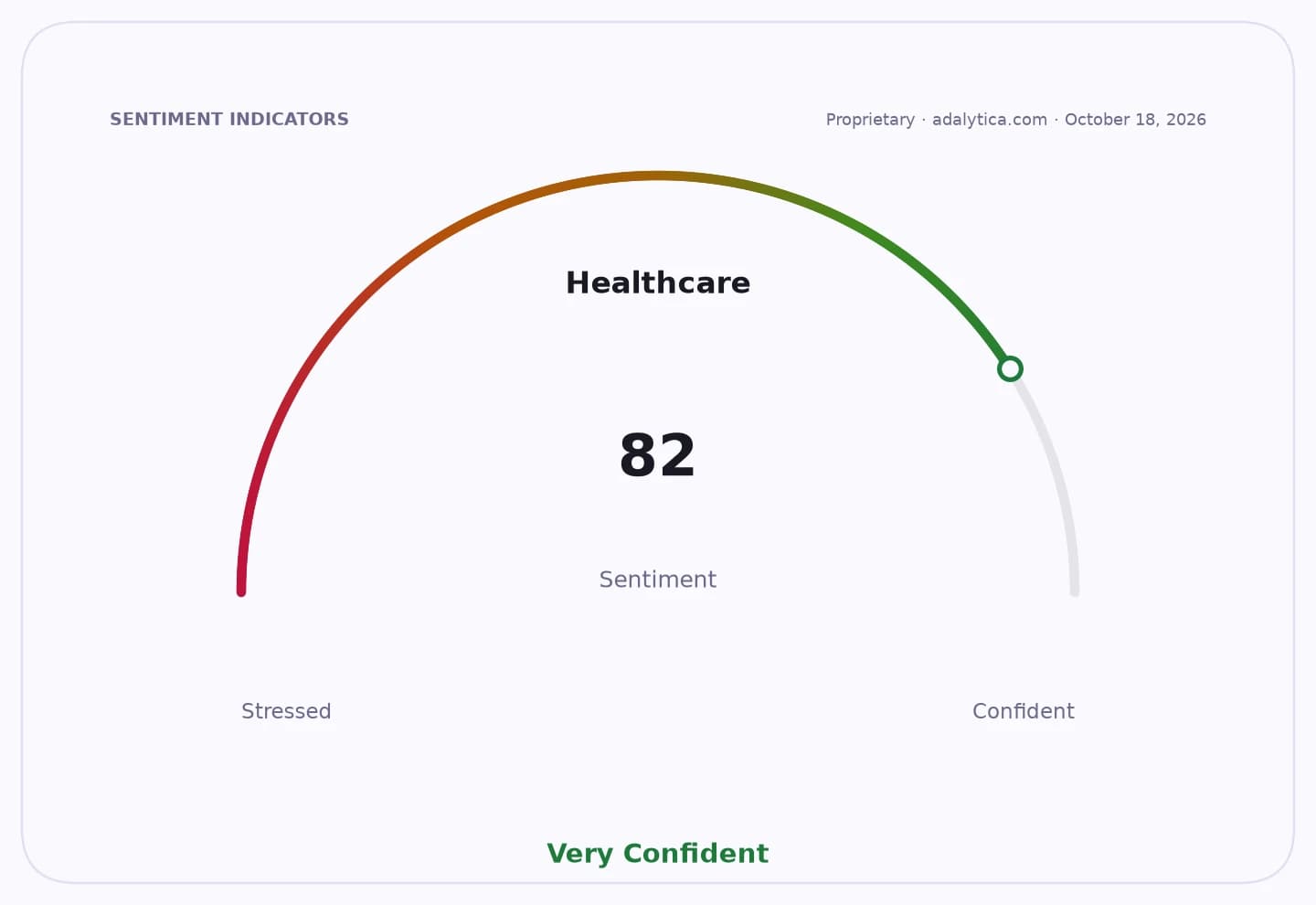
Sentiment IndicatorsⓘProprietary · adalytica.com · October 6, 2026
This is a snapshot — live sentiment, awareness and momentum for 130+ markets update continuously in the dashboard.Open AlphaPulse
The new global research center spans 570,000 square feet and will eventually house nearly 2,000 researchers across oncology, cell therapy, COPD, obesity and rare disease work. About 20% of the investment is going into robotics and AI, with the company planning connected labs designed to accelerate drug discovery through automation and AI agents. That is not a side project. It is a signal that AstraZeneca believes the next decade of pharmaceutical productivity will come from faster science, not just bigger marketing budgets.
The expansion is also a clear vote of confidence in the U.S. biotech ecosystem. AstraZeneca said its Massachusetts workforce should grow by more than 50% in coming years, and the new site is part of a larger $50 billion U.S. investment program. In plain English, the company is tying its future pipeline to the deepest pool of scientific talent and venture-backed innovation in the world. That should help support long-term competitiveness, especially in oncology, where the payoff from successful drugs can be enormous.
The timing is notable because AstraZeneca is simultaneously trying to turn Summit Therapeutics into a real part of its cancer strategy. Chief executive Pascal Soriot called Summit’s ivonescimab a next-generation immunotherapy, and he is clearly interested in combining it with AstraZeneca’s own antibody-drug conjugates. The logic is straightforward: if the combination works, it could strengthen AstraZeneca’s hand in a market dominated by Merck’s Keytruda and other blockbuster cancer regimens.
But this is where investors need to stay grounded. AstraZeneca owns only about 12% of Summit after putting in $2 billion, and it does not control ivonescimab. Bernstein remains cautious, noting that regulators will want both partners to prove their contribution to any eventual combination label. The key phase 3 readouts are still months away, and success is far from guaranteed. In biotech, great stories can still fail in the clinic.
Even so, the broader investment case is getting easier to understand. AstraZeneca is building the infrastructure, the talent base and the partnering network needed to keep its pipeline replenished. That is how pharmaceutical compounders win over time: not by depending on one drug, but by stacking discovery platforms, global research sites and selective alliances into a repeatable engine.
The shares barely moved in London, but long-term investors should pay more attention to the strategy than the daily tape. If AstraZeneca can turn Kendall Square into a faster, smarter discovery machine while advancing its cancer pipeline, the payoff could show up for years. For patient investors, this looks like a stock worth keeping on the watchlist and, on weakness, considering for a long-term portfolio.
| Entity | Gains | Losses |
|---|---|---|
| AstraZeneca | ▲Bigger pipeline engine | ▼Higher capital spending |
| Kendall Square / Massachusetts biotech hub | ▲More jobs and investment | ▼Intensified competition for talent |
| Summit Therapeutics | ▲Validation and trial demand | ▼Regulatory scrutiny |
| Merck & Co. | ▲— | ▼Greater competition in cancer immunotherapy |