AstraZeneca has opened a new research and development center in Massachusetts as part of a $1 billion investment that deepens its US footprint and signals the company is still putting capital behind drug discovery even as the biotech sector faces tighter funding conditions.
AstraZeneca Opens Massachusetts R&D Center
The move matters because research spending is the lifeblood of big pharma growth, and AstraZeneca is choosing to expand in one of the world's most concentrated life-sciences hubs rather than pull back. Massachusetts gives the company access to elite academic talent, biotech startups, contract researchers and a dense labor pool at a time when broader US manufacturing output is still grinding higher but the labor market remains only modestly cooled, with unemployment forecast around 4.2%.
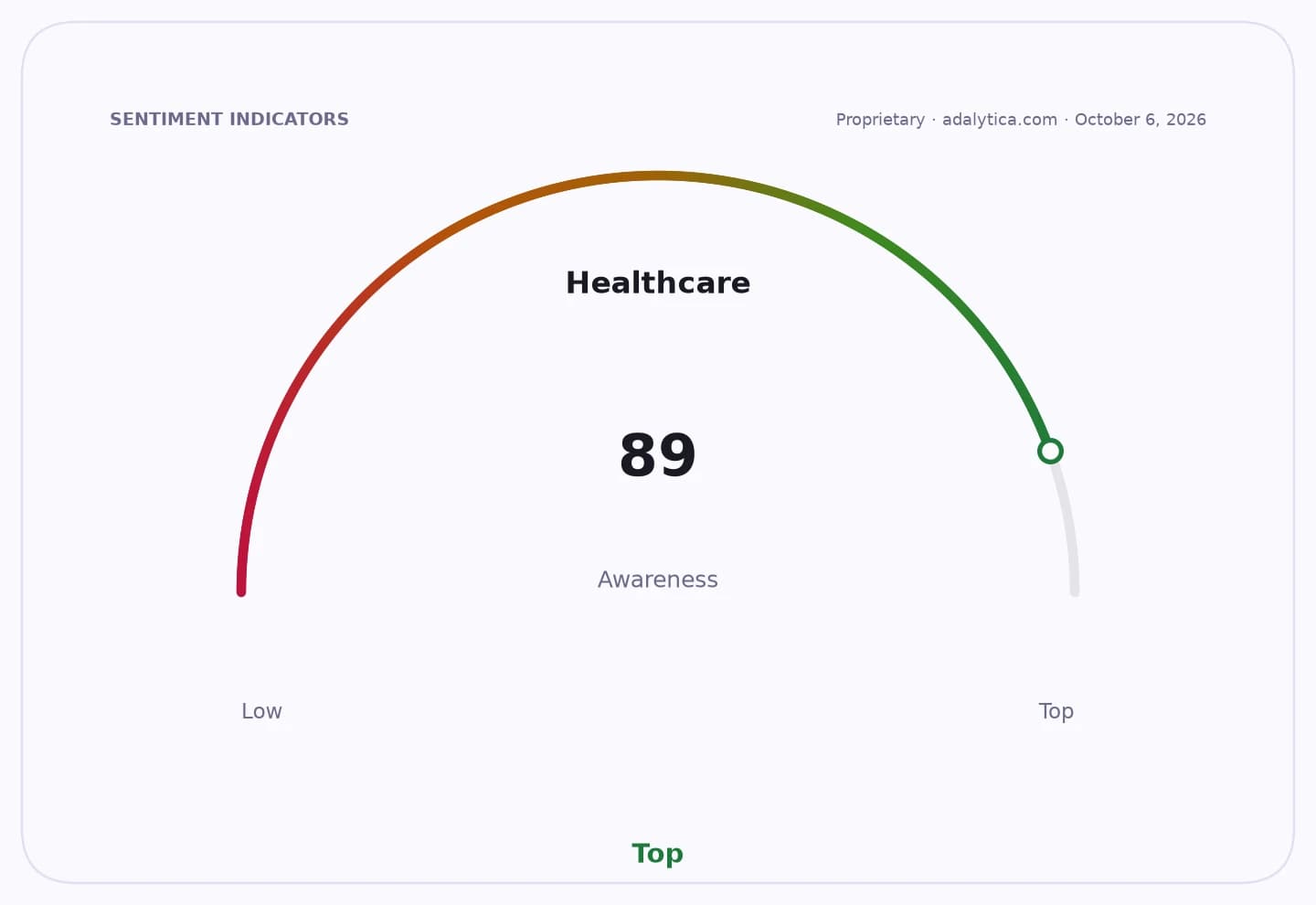
Sentiment IndicatorsⓘProprietary · adalytica.com · October 6, 2026
This is a snapshot — live sentiment, awareness and momentum for 130+ markets update continuously in the dashboard.Open AlphaPulse
For investors, the investment reinforces AstraZeneca’s commitment to pipeline execution in oncology and other high-value areas, but it also underscores the cost of staying competitive in an industry where breakthrough programs, partnerships and litigation can swing valuations. AstraZeneca shares were last at 156.53 on Oct. 5, below their 200-day moving average of 181.57, suggesting the market is still weighing growth prospects against execution and spending risk even after a volatile year in the stock.
The Massachusetts site adds to a broader wave of pharma and biotech dealmaking and capacity-building, including Novartis’ up-to-$7.8 billion mRNA pact with China’s Abogen and a string of strategic collaborations across the sector. At the same time, the industry is navigating a mixed backdrop of legal disputes, foreign takeovers and job cuts among Bay Area biotech employers, making scale and geographic reach increasingly important competitive advantages.
AstraZeneca’s US expansion also has local economic implications, supporting high-paying scientific jobs and deepening its ties to a key innovation corridor just as healthcare-spending sentiment remains weak. The bigger question for investors is whether the company can convert that spending into faster drug development and more durable revenue growth, with upcoming clinical readouts and partnership updates likely to be the next catalysts.
| Entity | Gains | Losses |
|---|---|---|
| AstraZeneca | ▲Expanded US R&D capacity | ▼Higher capital and operating costs |
| Massachusetts biotech hub | ▲Jobs and investment | ▼More competition for talent |
| Rival drugmakers | ▲Less direct benefit | ▼Risk of losing scientific edge |
| Investors | ▲Longer-term pipeline optionality | ▼Near-term margin pressure |