Tokyo Ohka Kogyo is emerging as a proxy for Japan’s race to secure a bigger role in the global semiconductor supply chain, even as the company faces high entry barriers tied to industry negotiations and capital-intensive investment requirements.
Tokyo Ohka Kogyo Gains on Japan Chip Supply Role
That matters because the chemicals maker supplies photoresists and other materials used in chip production, a business exposed to the same strategic bottlenecks that have pushed governments and manufacturers to spend heavily on domestic capacity, talent and supply-chain security. With Japan backing new chip investment at home and abroad, suppliers that can win technical qualification with leading foundries stand to gain pricing power and long-duration demand — but the bar to entry remains high.
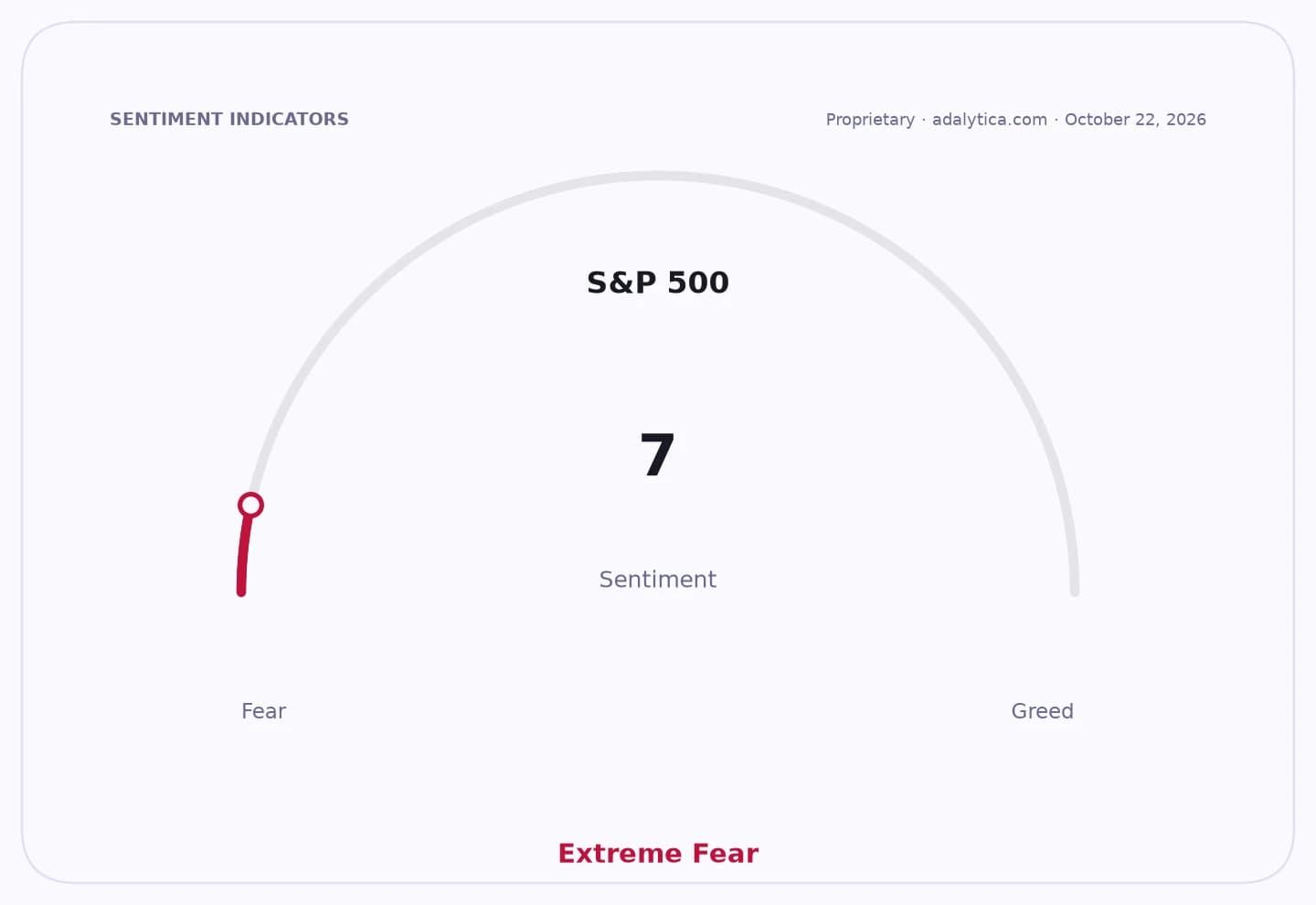
Sentiment IndicatorsⓘProprietary · adalytica.com · October 24, 2026
This is a snapshot — live sentiment, awareness and momentum for 130+ markets update continuously in the dashboard.Open AlphaPulse
Market interest in that positioning has been strong enough to lift Tokyo Ohka Kogyo’s valuation above Mitsui Chemicals, underscoring how investors are rewarding companies with direct semiconductor exposure over broader chemicals names. The gap reflects a simple investment thesis: chip materials suppliers can grow faster and command better multiples than commodity chemical producers if they are embedded in the next generation of fabrication lines.
The challenge is that this is not a market where new entrants can scale quickly. Semiconductor customers typically require years of testing, certification and process integration before approving a material supplier, and those relationships can be difficult to dislodge once established. That creates a moat for incumbents such as Tokyo Ohka Kogyo, but it also means expansion depends on winning negotiations with large chipmakers and on keeping pace with rapid technology shifts.
The broader industry backdrop reinforces that tension. Recent policy support in Asia and beyond — from government-backed semiconductor training and equipment programs to incentives for new fabs — is enlarging the addressable market for specialty materials. At the same time, the sector remains cyclical, and suppliers face the risk that customer investment plans slip if chip demand weakens or if financing costs stay elevated.
For investors, the key question is whether Tokyo Ohka Kogyo can convert strategic importance into sustained earnings growth without overpaying for capacity expansion. Bullish investors will argue that entry barriers, exposure to advanced-node manufacturing and the structural push for supply-chain security justify a premium. Skeptics will note that valuation can outrun near-term fundamentals if chipmakers delay orders or if competition intensifies in less specialized materials.
The stock’s relative strength versus Mitsui Chemicals suggests the market is already making that bet. What happens next will depend less on broad chemicals pricing and more on the pace of semiconductor plant buildouts, customer qualification cycles and whether Tokyo Ohka Kogyo can keep its position inside the most profitable parts of the chip supply chain.
| Entity | Gains | Losses |
|---|---|---|
| Tokyo Ohka Kogyo | ▲Higher valuation premium | ▼Higher expectations |
| Mitsui Chemicals | ▲Broader diversification | ▼Relative investor interest |
| Chipmakers | ▲More qualified suppliers | ▼Less pricing flexibility |
| New entrants | ▲Future opportunity | ▼Entry barriers |