Russia has amended the registration certificate for AstraZeneca’s cancer drug Enhertu, a regulatory move that keeps the breast- and lung-cancer treatment available in a market where Western pharmaceutical access remains heavily exposed to geopolitical friction.
AstraZeneca Enhertu gets Russia registration update

The change matters economically because oncology drugs are among the highest-value products in global pharma, and any alteration to registration status can influence local supply, tendering and reimbursement flows. For AstraZeneca, which sells innovative medicines in more than 125 countries, the decision helps preserve a revenue channel in Russia even as sanctions, logistics and political risk continue to complicate cross-border healthcare trade.
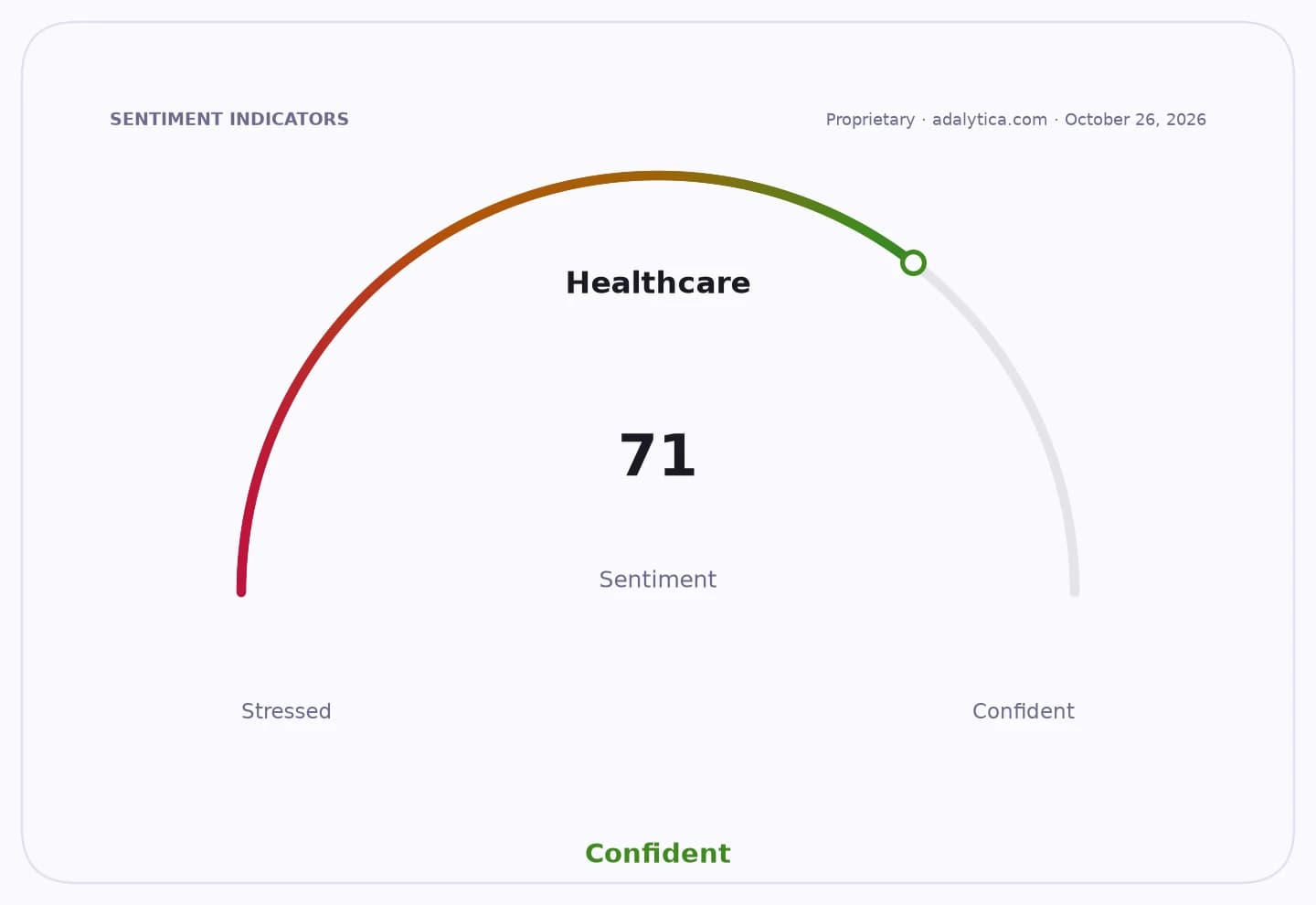
Sentiment Indicators
The move also lands against a volatile backdrop for the broader healthcare sector. Adalytica’s Healthcare Spending Sentiment gauge is at 96, labeled “Extreme Greed,” with awareness at 100, suggesting investor attention to healthcare cash flows and defensive growth names is elevated. That backdrop can support pharma multiples, but it also raises the bar for companies to show stable international access and execution.
AstraZeneca shares have been trading above both their 50-day and 200-day moving averages, with the stock last at $183.69 and the 50-day average at $172.18, a sign investors have been willing to pay for its oncology and pipeline story. Roche, which competes heavily in cancer care, has also held firm near $60.64, while Bristol Myers Squibb has been range-bound around $61.12, underscoring a sector still looking for durable growth drivers.
For investors, the key question is whether Russia’s certificate amendment is a one-off administrative adjustment or a sign that commercial pharmaceutical operations can continue despite the wider conflict. The immediate catalyst is whether AstraZeneca can keep supply chains, registrations and pricing intact in markets where geopolitical risk now sits as squarely in the investment case as clinical data.
| Entity | Gains | Losses |
|---|---|---|
| AstraZeneca | ▲Preserved Russia access | ▼Regulatory uncertainty |
| Russian patients | ▲Continued drug availability | ▼Limited supply stability |
| Competitors | ▲No immediate loss | ▼Share if access widens |
| Investors | ▲Near-term revenue visibility | ▼Geopolitical overhang |