AstraZeneca’s late-stage gastric cancer study hit overall survival targets, giving the drugmaker a potentially important new oncology asset and reinforcing the case that its cancer pipeline can keep driving growth for years.
AstraZeneca Gastric Cancer Win Bolsters Oncology Growth
That matters because investors in big drugmakers don’t just buy current sales — they buy the next wave of blockbusters. In a market where patent cliffs can erase billions in revenue, a positive overall-survival readout is one of the strongest signals a biotech-style drug can give: the treatment is helping patients live longer, not just shrinking tumors on a scan. If AstraZeneca can turn that into a regulatory approval and commercial launch, it strengthens one of the company’s most valuable long-term growth engines.
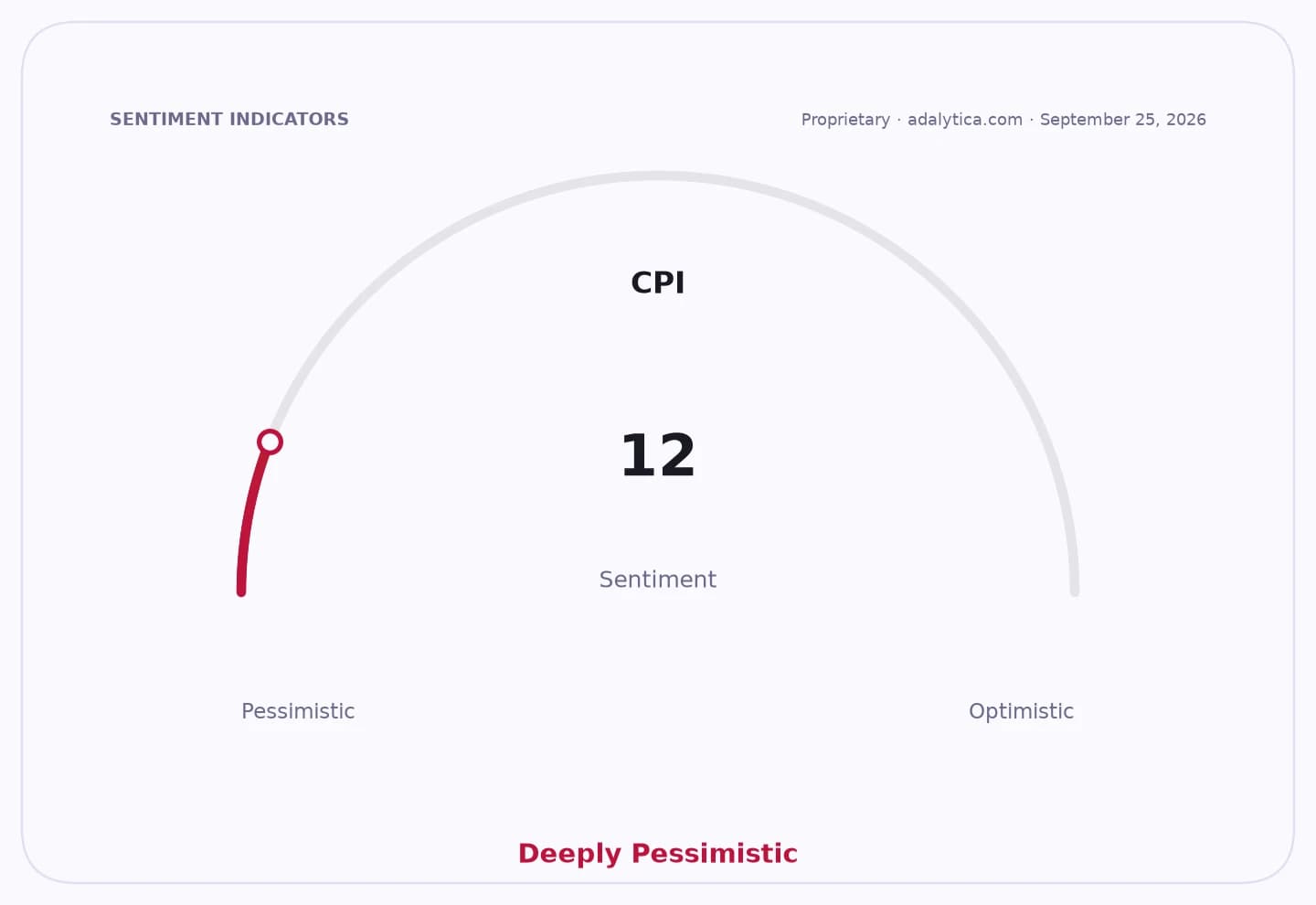
Sentiment IndicatorsⓘProprietary · adalytica.com · July 27, 2026
This is a snapshot — live sentiment, awareness and momentum for 130+ markets update continuously in the dashboard.Open AlphaPulse
The market has already been leaning in that direction. AstraZeneca shares have climbed above both the 50-day and 200-day moving averages, and the stock has recently rebounded from a sharp summer pullback. That kind of recovery suggests investors are willing to reward pipeline progress again after a stretch of volatility. The RSI and MACD readings in recent sessions also point to improving momentum, though the stock still has to prove the trial win can translate into actual earnings.
For AstraZeneca, the story is bigger than one gastric cancer program. The company has been telling investors it wants to keep redefining cancer care, and this result fits that narrative. Oncology remains the main reason to own the stock, alongside a portfolio that already includes major medicines in lung cancer and other hard-to-treat diseases. A successful gastric cancer therapy could expand that moat, deepen its footprint in immuno-oncology, and give it more bargaining power in one of pharma’s most competitive fields.
There’s also a broader industry takeaway. Cancer drug development is becoming more expensive, more targeted and more data-dependent, which favors companies with deep research budgets, global sales networks and the patience to wait for late-stage results. AstraZeneca has those advantages. That does not make the stock risk-free — clinical data can always disappoint, regulators can ask for more evidence, and commercialization can take time — but it does mean the company is playing in the right arena for long-term compounding.
For investors, the key question is not whether this single study will move the stock for a day or two. It’s whether AstraZeneca continues to convert scientific progress into durable revenue growth. If this gastric cancer win becomes an approval, it could add another leg to a business already built around recurring innovation. For long-term investors, that’s the kind of development worth watching closely — and one that belongs on the buy-and-hold radar.
| Entity | Gains | Losses |
|---|---|---|
| AstraZeneca | ▲Pipeline credibility | ▼Less execution risk if approved |
| Patients with gastric cancer | ▲Longer survival hope | ▼Fewer treatment alternatives lose share |
| Oncology rivals | ▲— | ▼Competitive pressure in gastric cancer |
| Long-term AZN investors | ▲Growth optionality | ▼Short-term volatility if data setbacks emerge |