AstraZeneca shares are trying to stabilize after a sharp summer selloff, and Bernstein’s upgrade to Outperform adds a fresh bullish catalyst at a moment when the stock is still trading well below its long-term trend.
AstraZeneca shares stabilize after Bernstein upgrade
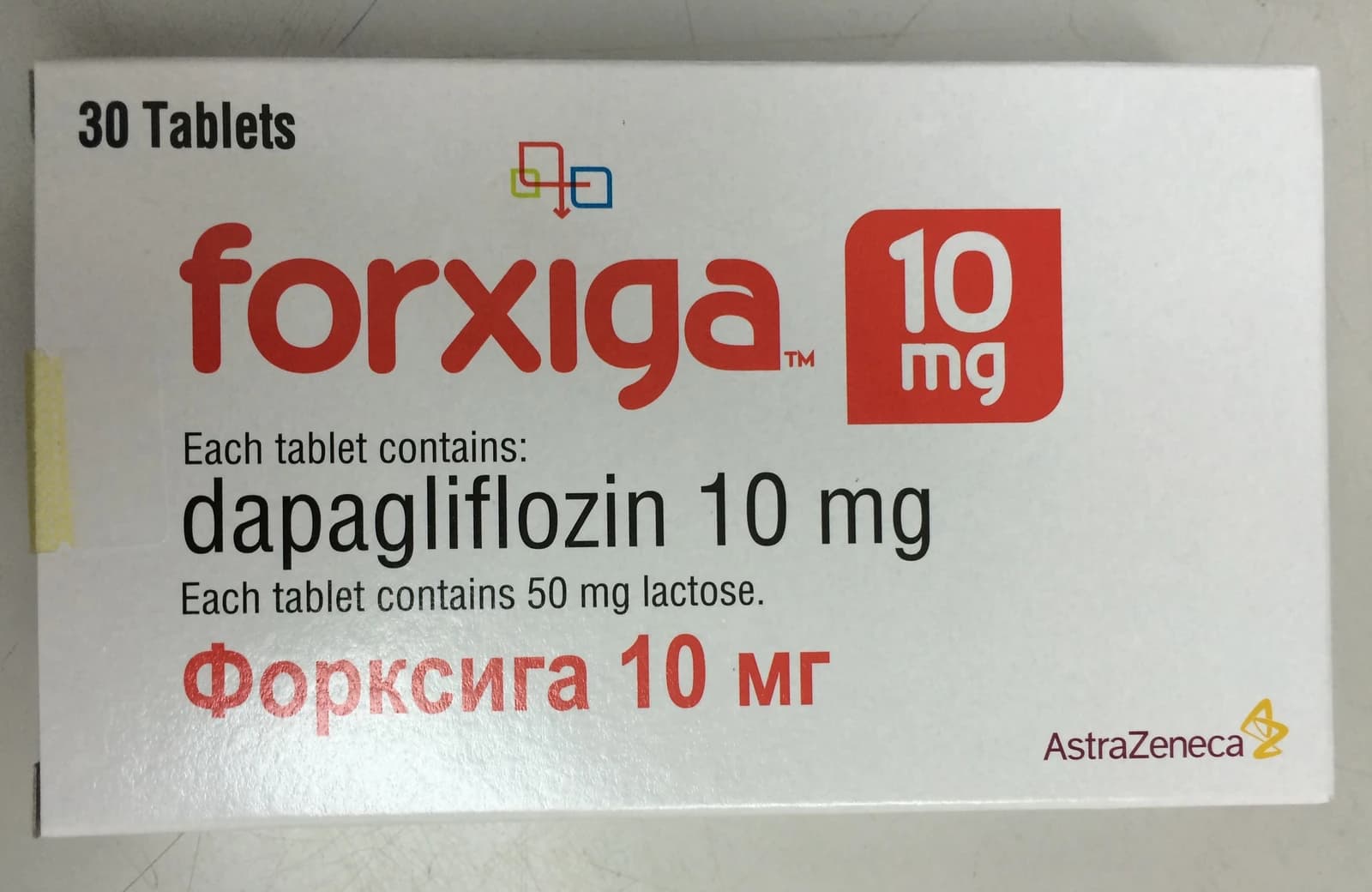
The broker move matters because AstraZeneca has spent months under pressure despite its status as one of Europe’s most important defensive growth names. The stock closed at 160.12 pence on Oct. 7, up 1.5% on the day, but remains below its 200-day moving average of 181.38 pence even after recovering above the 50-day average of 162.62 pence. That leaves the shares still in a technically fragile zone, where any improvement in analyst sentiment can have an outsized effect on positioning.
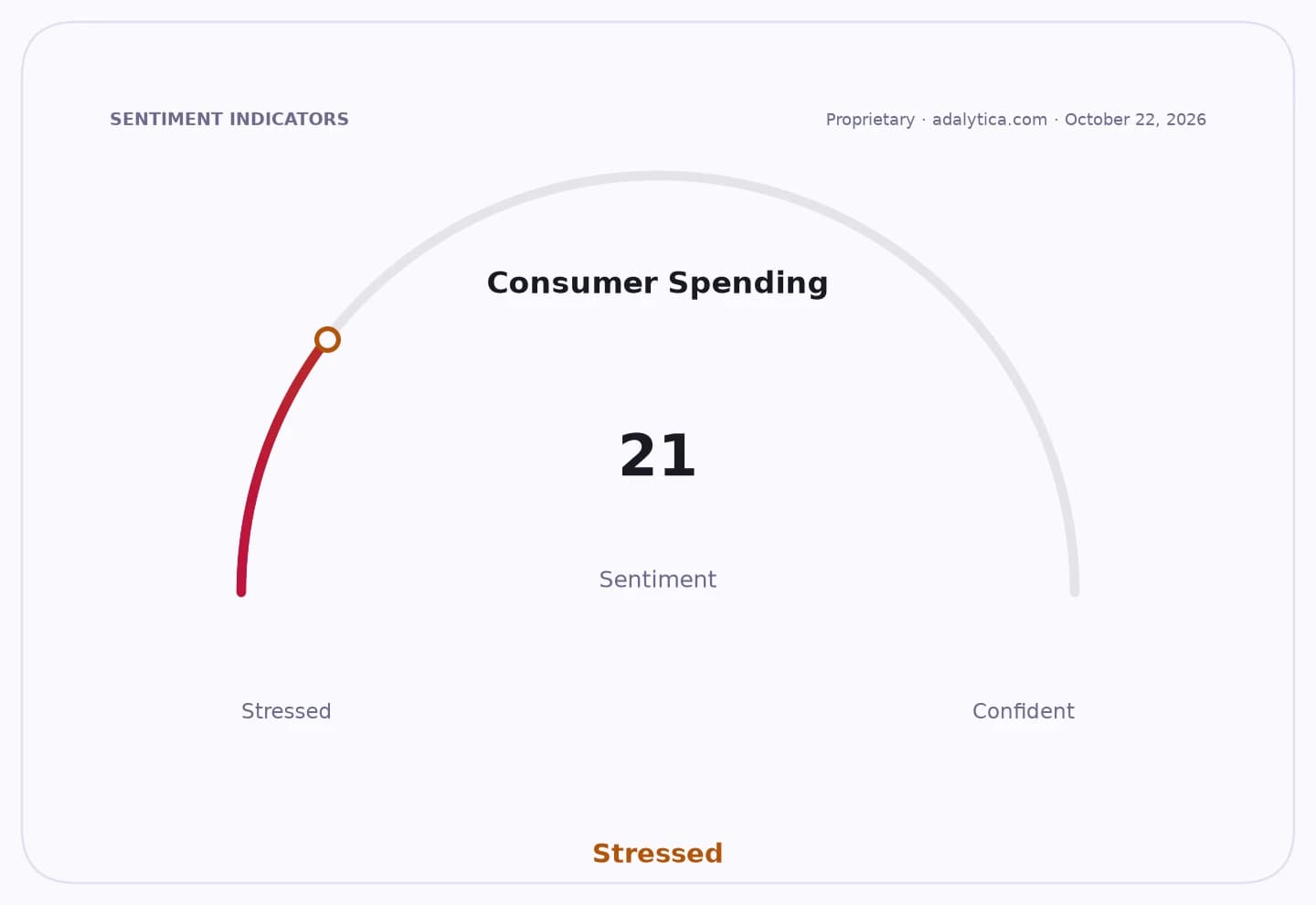
Sentiment IndicatorsⓘProprietary · adalytica.com · October 8, 2026
This is a snapshot — live sentiment, awareness and momentum for 130+ markets update continuously in the dashboard.Open AlphaPulse
For investors, the upgrade is significant because it comes while the broader market is displaying signs of stretched risk appetite. The S&P 500, tracked by Adalytica’s trade signals, is sitting in “Extreme Greed” territory, with sentiment at 96 and awareness at 2, a combination that typically leaves little room for disappointment. In that environment, an upgrade to a large-cap pharmaceutical stock with defensive earnings characteristics can attract capital from investors looking to rotate out of crowded cyclical and momentum trades.
AstraZeneca’s fundamental appeal remains tied to oncology, rare disease and other specialty medicines, where revenue visibility is stronger than in many parts of healthcare. The company has also been active in collaborations, including a clinical agreement announced with Daiichi Sankyo and Summit to test Datroway with ivonescimab across multiple tumor types. That kind of pipeline optionality is important because the market is valuing AstraZeneca not just on current sales, but on whether it can keep compounding growth as older products mature.
Still, the bears have had reasons to press the stock. AstraZeneca’s shares have been volatile, with the stock falling as low as 156.53 pence on Oct. 5 before clawing back some ground. The 14-day RSI at 37.6 suggests the name is no longer deeply oversold, but it is not yet overbought either, leaving room for a reassessment if earnings momentum or trial updates improve. The MACD remains negative, indicating that longer-term momentum has not fully turned.
Bernstein’s call will matter most if it helps reset expectations around AstraZeneca’s growth trajectory relative to the wider pharma sector. If investors conclude the company can sustain premium earnings growth while maintaining pipeline depth, the stock could continue to re-rate toward its moving averages. If not, the shares may continue to trade as a high-quality name trapped below peak optimism.
| Entity | Gains | Losses |
|---|---|---|
| AstraZeneca bulls | ▲Analyst support, valuation rebound | ▼ |
| AstraZeneca bears | ▲ | ▼Short-term momentum trade |
| Defensive healthcare investors | ▲Relative safety, growth visibility | ▼Cyclical stock exposure |
| Crowded S&P 500 longs | ▲ | ▼Rotation away from stretched risk assets |