A new fraud allegation over clinical studies tied to AstraZeneca’s heart drug ticagrelor is likely to matter less for the drug’s near-term sales than for the credibility of the evidence base supporting one of the company’s most established cardiovascular franchises.
AstraZeneca ticagrelor fraud allegations hit cardiovascular franchise
If the claims hold up, the implications go beyond reputation. Pharmaceutical valuations depend heavily on trust in trial design, publication integrity and regulator acceptance of data. Any suggestion that studies published in a leading cardiology journal were used to inflate the case for ticagrelor raises the risk of legal scrutiny, slower uptake in some markets and renewed questions over how much of the drug’s commercial life-cycle value rests on clean science versus aggressive medical marketing.
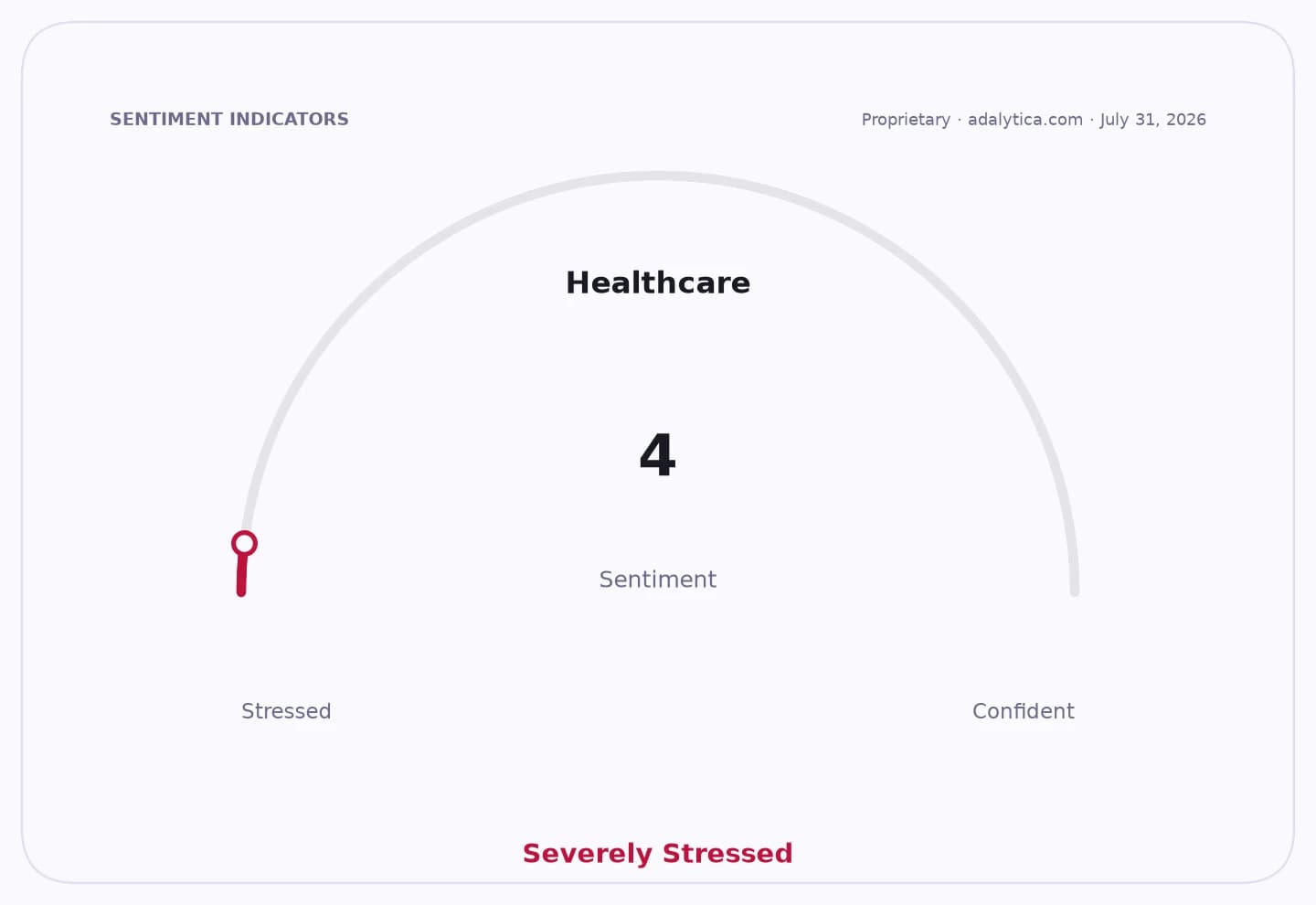
That is a meaningful issue for AstraZeneca because ticagrelor remains part of its older but still important cardiovascular portfolio, even as the company’s growth narrative has shifted toward oncology and newer specialty medicines. The stock has been volatile in recent months, with shares closing at $170.38 on Friday, well below a July peak above $195, while technical indicators such as the 50-day moving average and RSI readings suggest momentum has been repairing but is not yet fully restored. The broader context is a market that has become more sensitive to healthcare integrity issues: Adalytica’s healthcare spending sentiment gauge sits at “Extreme Fear,” reflecting investor caution around regulatory and reimbursement risk.
For AstraZeneca, the bull case is that any investigation ultimately proves narrow, historical and financially manageable, with ticagrelor contributing relatively little to the company’s current growth engine compared with its newer drugs. The bear case is more damaging: even isolated misconduct allegations can trigger follow-on lawsuits, journal retractions, physician skepticism and tougher scrutiny of promotional practices, all of which can linger long after the immediate legal process ends.
The potential spillover extends to rivals as well. Pfizer and Bristol Myers Squibb, which compete in adjacent cardiovascular categories and face their own patent and pricing pressures, may benefit if prescribers or payers become more selective about antiplatelet therapies. But the larger market lesson is broader: in pharma, commercial durability depends not only on patent protection and demand, but on the perceived integrity of the data that justified the drug’s adoption in the first place.
Investors will be watching for any formal findings, whether the disputed studies are cited by regulators or medical bodies, and whether AstraZeneca faces questions about disclosures in past marketing or publication practices. If the episode stays contained, it may remain a headline risk. If not, it could reopen a longer debate about how much legacy cardiovascular revenue is vulnerable when the scientific record itself comes under challenge.
| Entity | Gains | Losses |
|---|---|---|
| AstraZeneca | ▲Defends franchise if allegations fade | ▼Litigation and reputational risk |
| Ticagrelor rivals | ▲Potential share gains | ▼Less if case is contained |
| Regulators/journals | ▲Stronger oversight mandate | ▼Credibility if lapses persist |
| Investors in AZN | ▲Buy-the-dip opportunity if limited | ▼Valuation risk if scrutiny broadens |